Across rural Northern Ireland, farmers are embracing artificial intelligence and digital tools to transform how they manage their herds, streamline operations and make data-driven decisions. According to BBC News, this technological shift represents one of the most significant changes to farming since the mechanisation era, with applications ranging from health monitoring to business management.
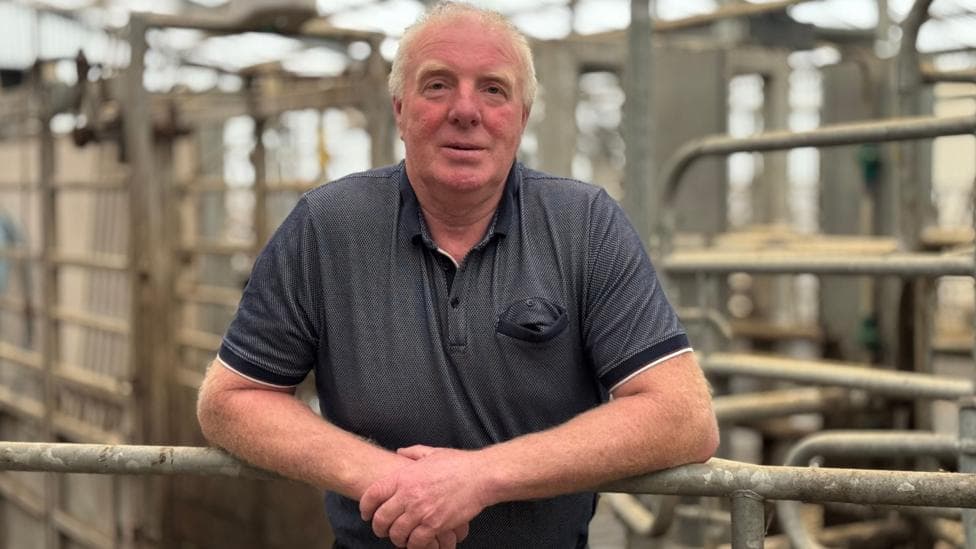
George McMaster's farming journey illustrates this transformation. His career began with milking eight cows in a traditional byre, where he relied entirely on visual observation to identify any health problems in his cattle. Today, he oversees a herd of 300 animals, but his approach has fundamentally changed. Rather than being physically present in the milking parlour, McMaster now monitors his cows through an AI camera feed installed at his farm near Islandmagee in County Antrim. The system assigns each animal a unique identifier, captures daily video footage, analyses the recordings using algorithms and alerts him to any changes—often detecting issues before they become apparent to the human eye.

For this third-generation farmer, the shift has been remarkable.
It is "absolutely incredible to move from all hand-done to sitting on the phone, watching what's happening outside"he reflected on the change.
How is technology improving animal welfare?
Jack McMaster, George's son and the farm's next generation leader, enthusiastically adopted the CattleEye app when a local developer approached him about the opportunity. He has witnessed firsthand how the technology identifies health issues that would have gone unnoticed under traditional observation methods.
"There's cows there we would never have thought of as lame when we were just watching them every day, but whenever the camera's watching they're picking them up so much earlier, any emergencies that we have, to check cows before they lose condition and get sick,"Jack explained. He emphasises the interconnected benefits:
"And if cows are in better health, we get more milk and they're happier - happy cows make happy farmers."
What role does broadband infrastructure play in farm modernisation?
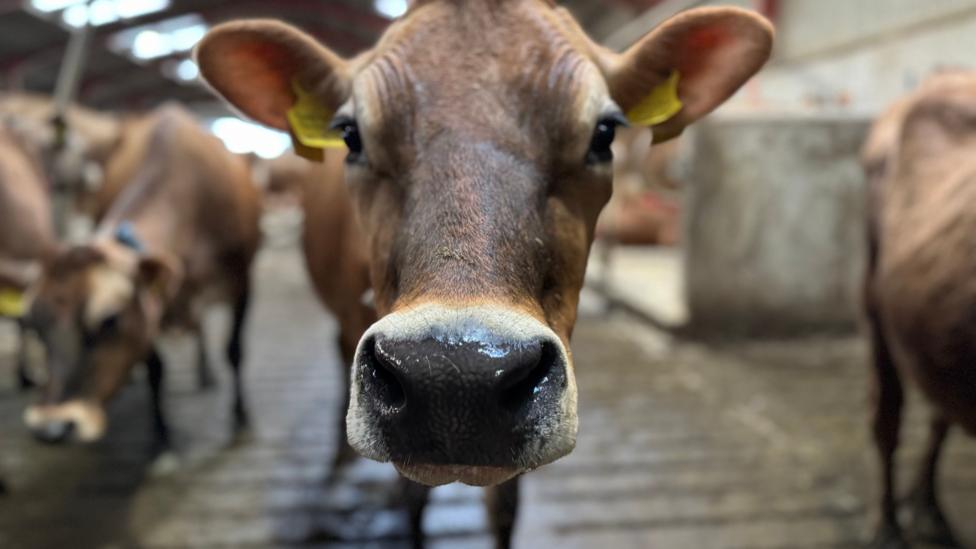
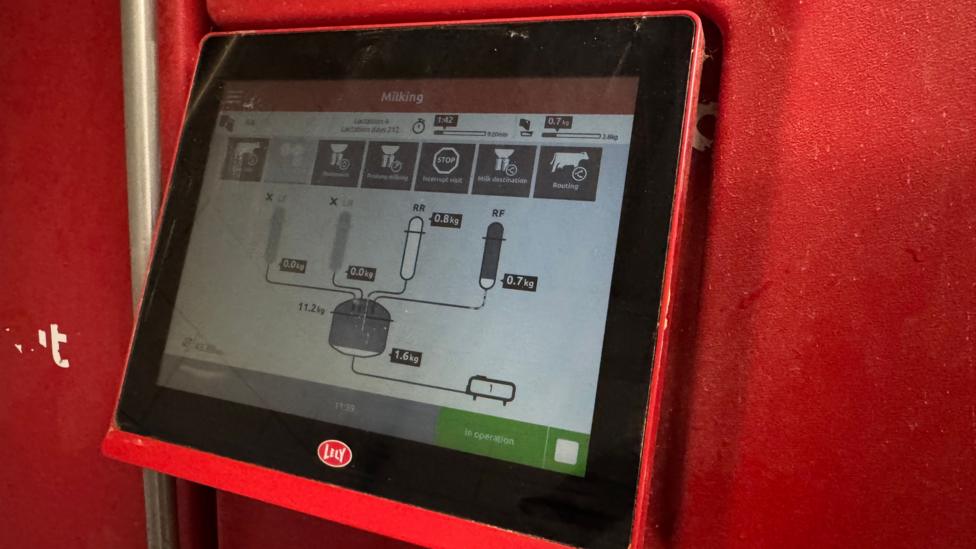
Reliable internet connectivity has become essential for agricultural technology adoption. Caleb Howard, who manages 90 Jersey cows on a farm near Coagh in County Tyrone, operates a robotic milking system that allows animals to enter and exit the machine on their own schedule rather than being herded in at fixed times. Like the McMasters, Howard recognises that
"everything is going down the robotic route"to enhance operational efficiency.
For Howard, access to high-speed broadband proved transformative. A decade ago, his rural location suffered from poor phone signal and inadequate internet speeds—conditions he described as
"just like a slightly faster dial-up."The improvement enabled him to establish a farm shop equipped with electronic payment systems, expanding his business beyond traditional farming.
"So now everything is much simpler and much easier-used when you've got a good internet connection,"he said.
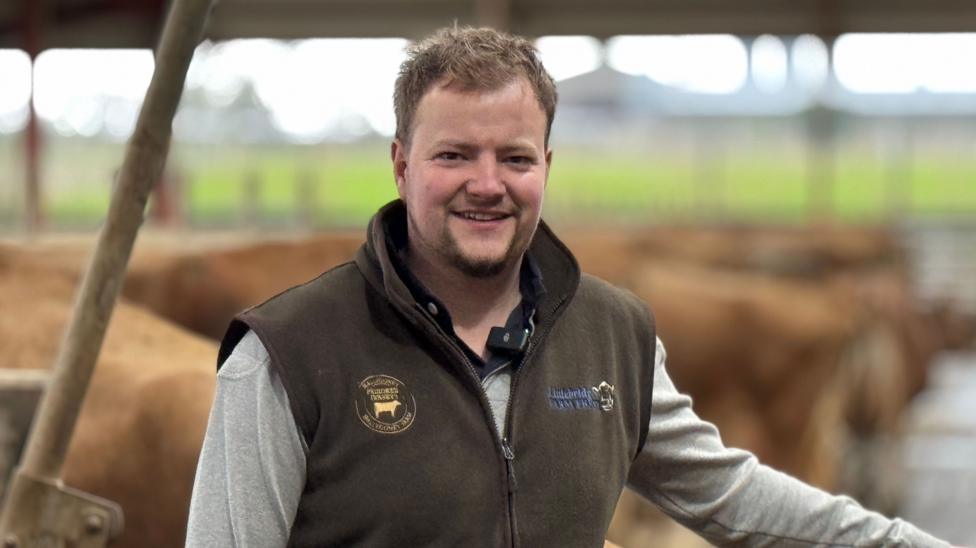
Project Stratum, which delivered high-speed broadband to rural areas including Howard's region, has had significant economic consequences. Colin Hutchinson from Fibrus, the company that implemented the project, noted the impact:
"Being online and having good broadband access is really crucial now. And it's enabling businesses like this to thrive in really rural locations."He described the project's effect as
"massive"in economic terms.
How are digital platforms changing farm record-keeping?
Robert Smyth operates a herd of 100 dairy cows near Randalstown in County Antrim and has relied on the FarmDrive app for four years to manage his business operations. The platform fundamentally changed how he handles administrative tasks.
"It's so much handier - beforehand you're writing things down, bits of paperwork in the cattle house and writing them down in the office, whereas now you just do it at that time,"Smyth explained. When regulatory inspections approach, the process has become streamlined:
"And then whenever you have inspections coming up, all you have to do is go into your compliance section, select reports, and there's your reports for your medicine, for your meal records, for everything."
Smyth emphasises the strategic value of AI in farm management:
"The AI really should be looking towards how to manage your farm better and how to reduce your inputs and increase your outputs."
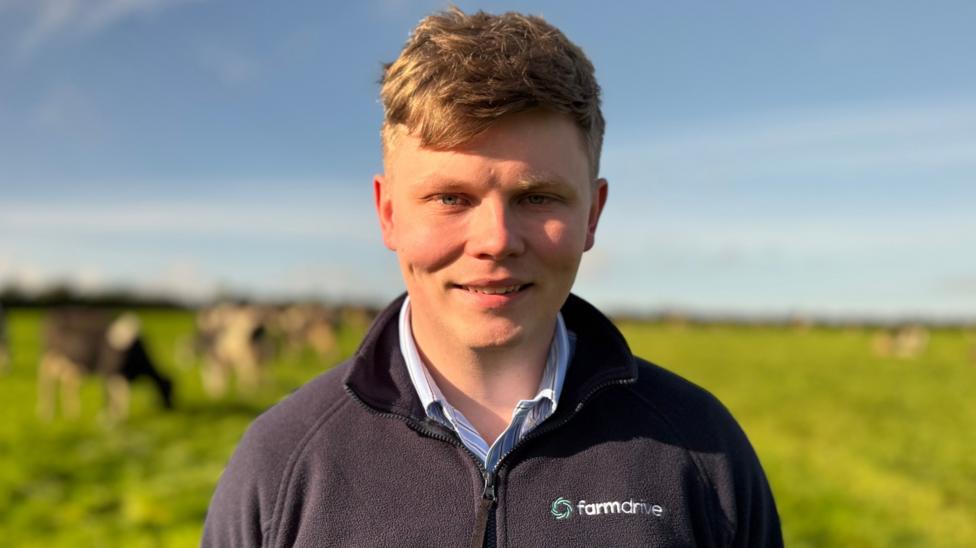
Gareth McDonald, who developed FarmDrive, comes from a farming background and studied computer science. He describes the platform as
"Facebook for cows,"with each animal receiving an individual profile containing all relevant records and the option to add photographs. Despite his enthusiasm for the technology, McDonald is cautious about its scope.
"It's allowing us to work a lot more quickly and efficiently, and on the farming side, it's basically allowing the farmer to see the right information at the right time, where it's kind of that adviser to the farmer,"he said. He stressed an important principle:
"We're very much of the opinion we don't want the AI making the decision for the farmer."
The emergence of farm management apps reflects broader industry trends. Ben O'Connor, a 16-year-old developer, created FarmFlow, an app designed to reduce farm paperwork and give dairy farmers more time with their families, which is undergoing trials across 160 farms in the UK and Ireland.
How does AI compare to previous agricultural revolutions?
Nearly a century ago, County Down-born inventor Harry Ferguson revolutionised farming by developing the linkage system that remains integral to tractor design today. Ian Marshall, former president of the Ulster Farmers' Union, argues that artificial intelligence represents a similarly transformative development for agriculture.
While farming has historically depended on data collection, Marshall believes technology will fundamentally reshape how the industry processes and applies that information.
"When we take all the datasets, then I think we can deliver on the three pillars of sustainability - economic, environmental and social,"he stated. He expressed confidence in farmers' ability to leverage these tools:
"So I think that because we've got so much data and so much digitalisation in the industry, that farmers will certainly use this to their advantage and can meet their targets, meet their objectives and meet the obligations whilst delivering good quality, sustainable food."
The broader context of agricultural automation extends beyond individual farm operations. Labour shortages following Brexit are driving farming automation innovations at the University of Warwick, where AI and robotics aim to enhance productivity and support farm workers. Additionally, artificial intelligence systems are helping farmers determine the optimal moment to harvest crops by analysing fruit ripeness, weather patterns and historical data, with companies like Vivid Machines and FruitCast deploying camera-based systems for this purpose.
Key Facts
- AI cameras in milking parlours can identify health issues in cattle before they become visible to farmers, improving early intervention and animal welfare.
- High-speed broadband infrastructure has become essential for farm technology adoption, enabling farmers in rural areas to implement digital management systems and expand their businesses.
- Digital farm management platforms reduce administrative burden by consolidating records, streamlining compliance reporting and providing real-time data analysis.
- Industry leaders view AI as a tool to support farmer decision-making rather than replace human judgment, emphasising the technology's advisory role.
- Agricultural technology adoption is being driven partly by labour shortages and the need to improve efficiency and sustainability across farming operations.