Labour Shortages Spur Automation in Farming
AI engineer Muhammad Hashir highlights a significant shortage of human workers to meet current agricultural production demands.
Ten years following Brexit, there is growing interest in automating farming tasks as the agriculture sector faces a decline in seasonal workers.
A research team at the University of Warwick is developing automation solutions to assist cider producers in pruning apple trees, a task made challenging by the scale of work and difficulties in recruiting sufficient staff.
"We don't have enough people to do this," artificial intelligence (AI) engineer Muhammad Hashir said.
"It's 100,000 trees on a site as big as that of Thatchers cider maybe, and there's just not enough staff to do it every year.
"They target a time of three minutes per tree which is very hard to do especially when you have windy days, rainy days or you just have other tasks on the site that need to be done."

Labour Shortages and Brexit Impact
Within a few years after Brexit, the government warned that labour shortages, exacerbated by Brexit and the pandemic, were adversely affecting the food and farming sector.
Currently, temporary workers such as fruit pickers enter the UK under seasonal worker visas, which are subject to an annual quota.
Home Office data indicates that 38,039 seasonal worker visas were issued in the year ending June 2025, an 11% increase compared to the previous year, reflecting a higher quota.
Technological Solutions in Orchard Management
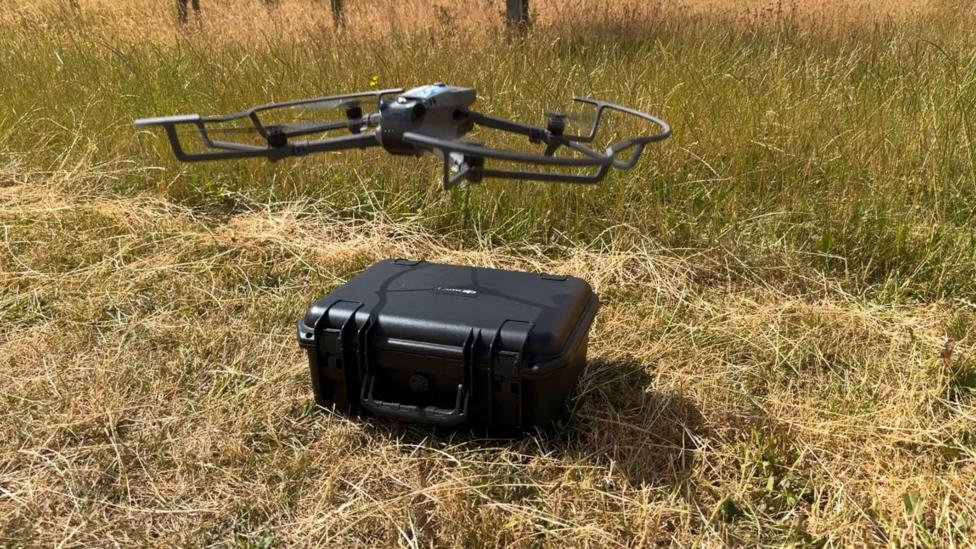
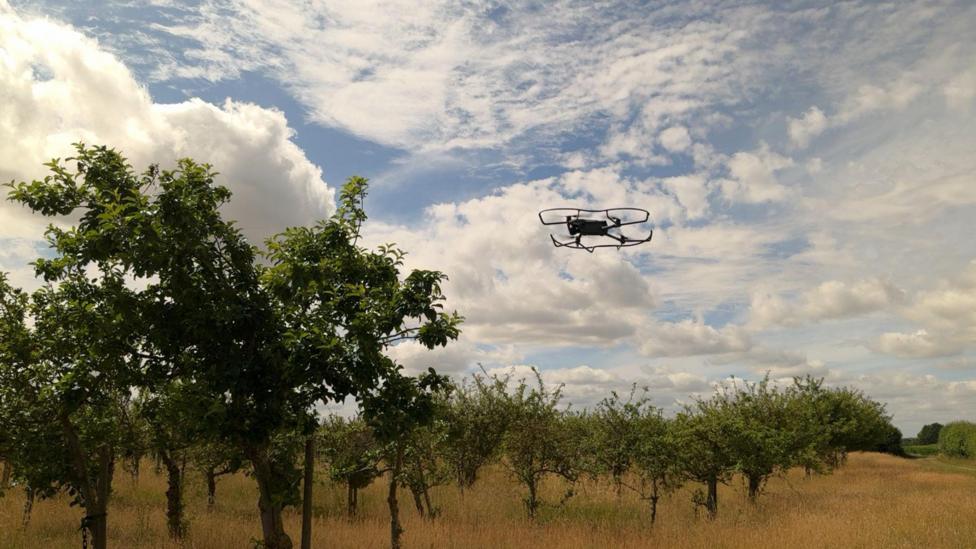
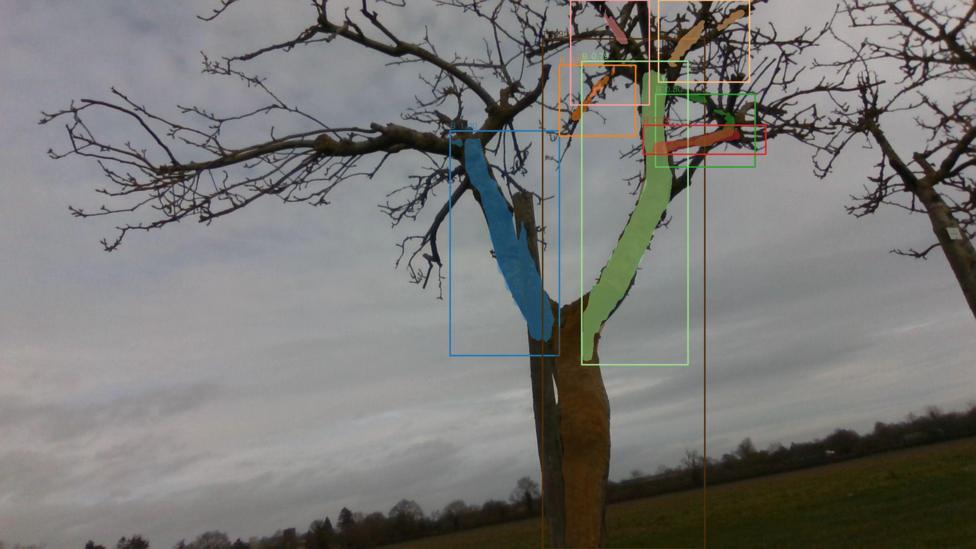
Hashir and his colleagues employ drones to create 3D models of orchard trees, enabling AI to identify branches requiring pruning.
The project’s next phase involves developing a robotic arm equipped with a cutting tool capable of autonomously performing pruning tasks.
University of Warwick's Agricultural Automation Initiatives
The University of Warwick recognizes significant potential in agricultural automation.
They are integrating expertise from WMG (formerly Warwick Manufacturing Group) with agricultural research at Warwick's crop centre.
The goal is to combine knowledge in robotics and autonomous vehicles with the challenges faced by a farming sector experiencing a reduced seasonal workforce post-Brexit, supported by government statistics.
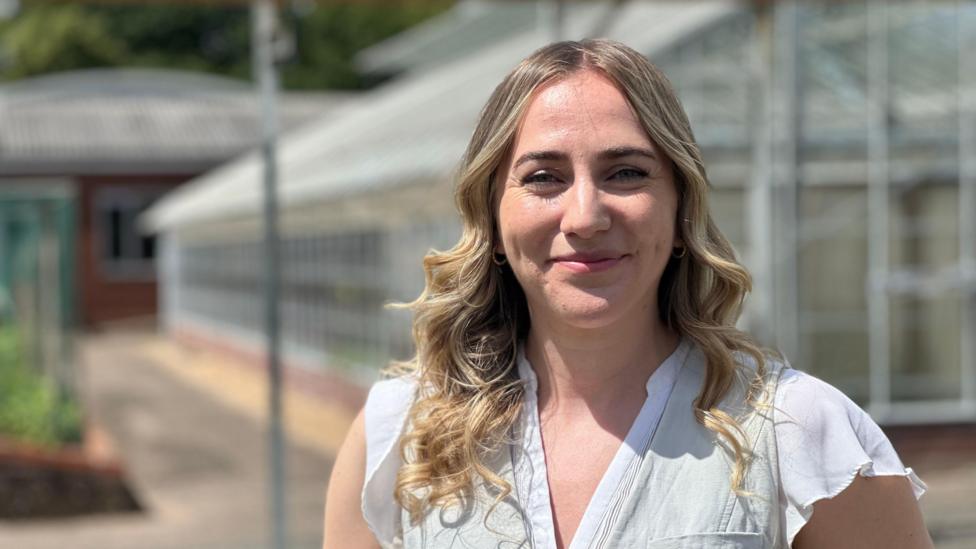
Alicia Feledziak from Warwick Agr-Tech emphasizes the opportunities technology presents for farm workers.

The team believes farm productivity can be enhanced without developing increasingly complex and costly robots.
While strawberry-picking robots are feasible, the team is currently trialling a small robotic vehicle designed to transport strawberries from pickers to quality control stations.
Approximately 25% of a strawberry picker’s workday is spent carrying baskets of strawberries; delegating this task to robots allows pickers to focus more on harvesting.
Drones capture footage from multiple angles, which is then processed by AI systems to assist in farm management.
Enhancing Farm Productivity and Worker Skills
The objective is not to replace farm workers but to maximize productivity and provide workers with opportunities to enhance their skills and value to the enterprise.
"It's definitely becoming harder and harder to get the labour," said Ben Ayre, lead engineer for the university's intelligent vehicles project.
"Having these robotics enables us to get the most out of all of the the staff that we do have to be able to be as productive as possible."
Alicia Feledziak also highlighted the potential for upskilling farm workers.
"There might be some roles where instead of doing some of the more laborious tasks you might start to look at having workers be up-skilled to things like fleet management," she said.
Post-Brexit Labour Challenges and Automation Opportunities
Before Brexit, freedom of movement allowed farms to easily recruit seasonal workers for planting, picking, and pruning.
Currently, farms and workers must navigate a visa system with numerical limits and regulations that complicate timely recruitment.
This situation has renewed interest in automation, presenting opportunities not only for research and development of farming robots but also for training workers to operate and manage these technologies, according to the University of Warwick.
Get in Touch
Tell us which stories we should cover in Warwickshire.
Follow BBC Coventry & Warwickshire on , Facebook, X, and Instagram.
- AI helping farmer with data about bees and crops
- 'I am not sure we could run our farm without AI'
- Drones and AI used to help farmers tackle weeds