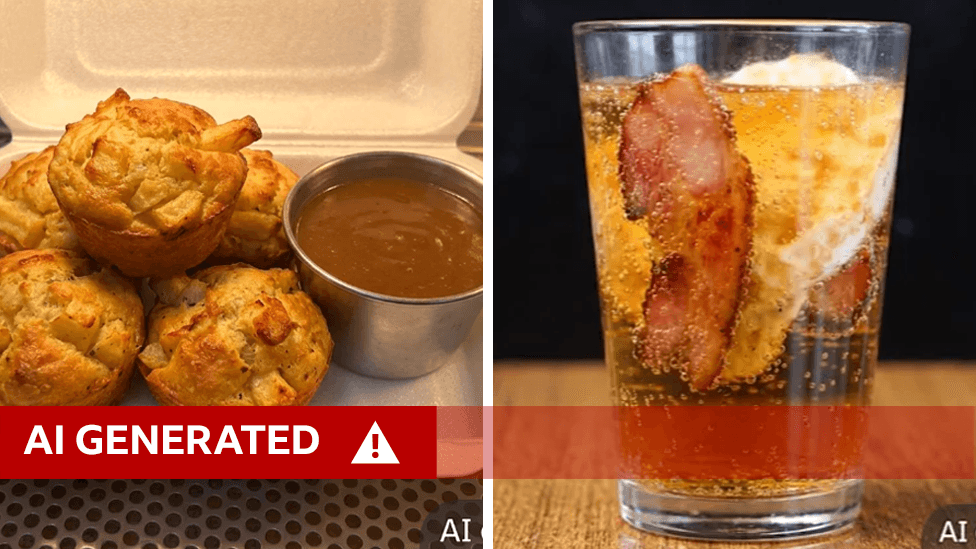
Just Eat has issued an apology following widespread online ridicule over a series of AI-generated food images that produced surreal and inedible-looking menu items. The food delivery platform had been trialling artificial intelligence technology to create pictures for restaurants lacking existing food photography, but the results ranged from the absurd to the completely nonsensical.
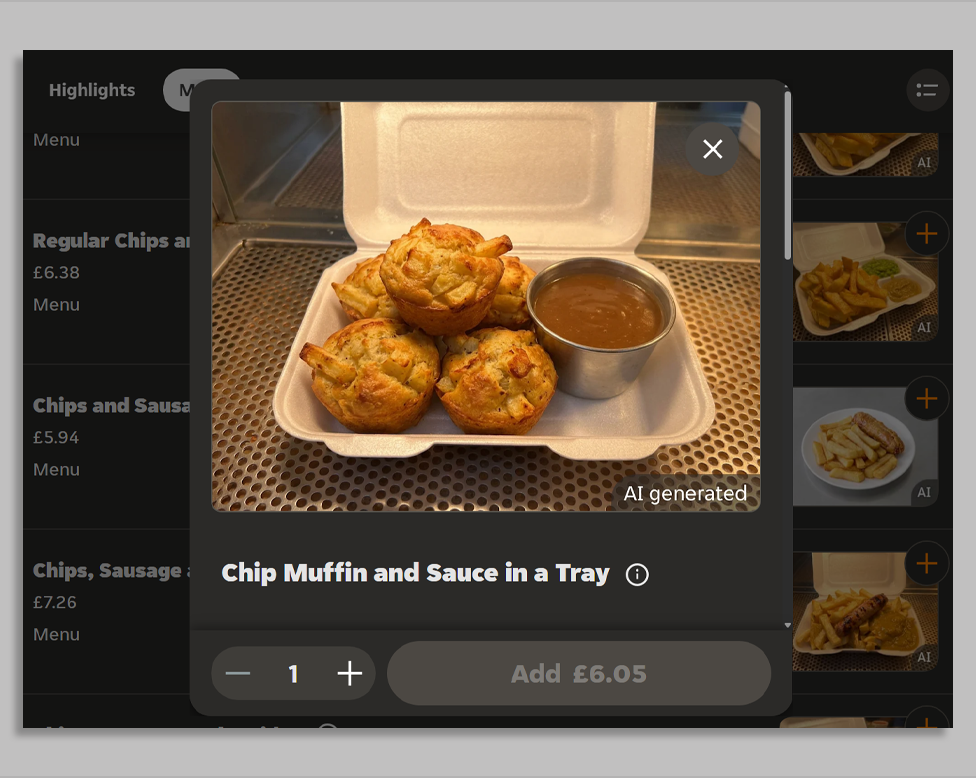
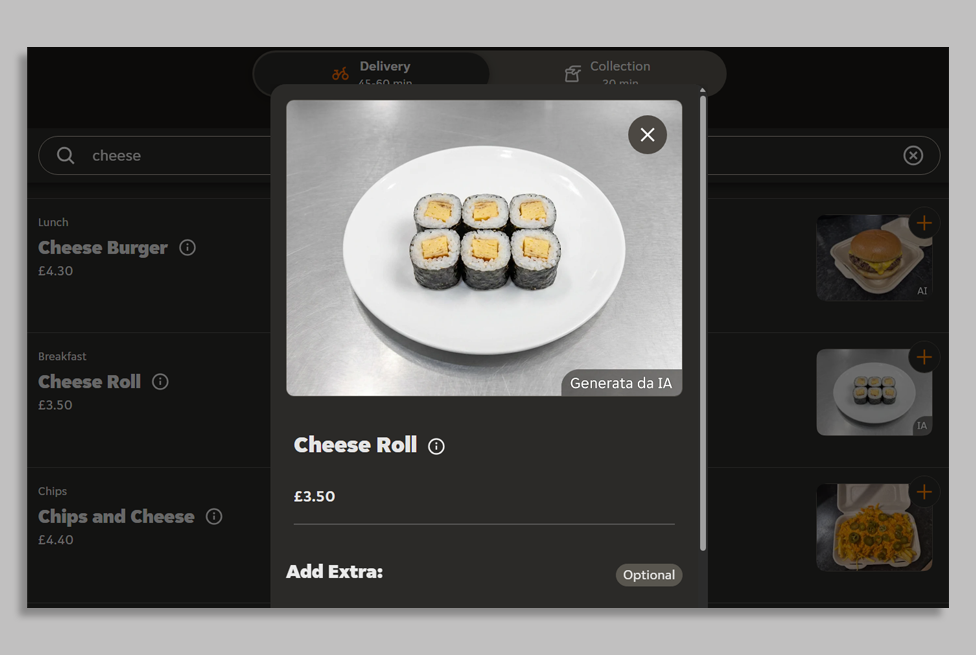
According to BBC News, the AI system generated numerous bizarre concoctions that sparked ridicule across social media. Among the mishaps were bacon and eggs floating in a glass of cola—a confusion between "soda" and "soda bread"—alongside chips protruding from muffins and cheese transformed into sushi rolls. The platform has confirmed it is removing the incorrect images and pausing further rollout while the technology undergoes further refinement.
The trial was designed to help independent restaurants add menu images without the expense of hiring professional photographers. Restaurant Online reported that Just Eat said it had paused the rollout while developing the tool further, rather than abandoning the technology entirely.
How widespread were the AI errors?
The mistakes extended far beyond the initial examples that gained attention. The Journal documented additional reported errors including a miniature burger shown inside a sauce pot, watermelon chunks depicted in wine, scampi presented as sushi, and a batter burger positioned between battered buns. Members of the Just Eat UK subreddit have spent recent days posting the latest unintentionally humorous interpretations of takeaway food items, with many of the more unusual versions still visible on menus.
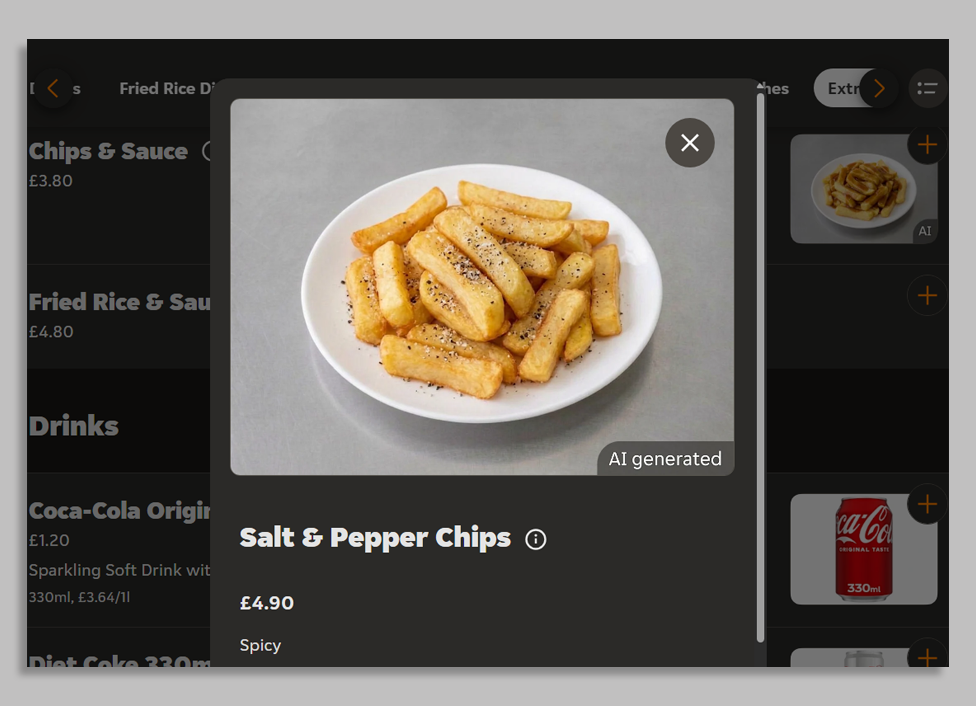
A Belfast café had its bacon and egg soda bread dish represented as a glass of fizzy drink with a cooked egg and bacon floating in it. In Manchester, what locals call a "chip muffin"—also known as a chip butty—was reimagined by the AI as a dish seemingly involving baked potato inside bread. Salt and pepper chips, which typically involve frying chips with onions, garlic and chillies, were rendered in ways that bore little resemblance to the actual dish.
Spelling mistakes on menu items sometimes compounded the confusion. The Instagram account tracking these errors posted a picture of garlic bread shaped like a plane, presumably because of a misspelling of the word "plain". A "cheese roll"—simply bread and cheese—was instead transformed into slabs of cheese rolled into a sushi roll.
Why did the AI make these mistakes?
The incident highlights the ongoing difficulties companies face when deploying AI to accelerate or simplify work processes, particularly when the technology must interpret words within specific contexts. Food terminology varies significantly across regions and can be ambiguous even to human readers. The AI system struggled to distinguish between similar-sounding items, literal interpretations of compound words, and the actual appearance of regional dishes.
A Just Eat spokesperson explained the company's approach to food imagery:
We work with tens of thousands of small restaurants on their food imagery, including funding professional local photographers. We've been trialling AI-enhanced images, and as with any new technology, it isn't always quite right the first time.
Each picture generated using AI on the delivery app appears with a label indicating its artificial origin, and the BBC observed that many of the more unusual takes remained visible on menus at the time of reporting.
What are customers saying?
Reactions on social media have been mixed. While some users found the images "hilarious", others were less amused. One commenter remarked: "Well, that lot just helped my diet". More substantively, some questioned the value of AI-generated images even if they were more accurate. One Instagram user stated:
I want to see what the dish actually looks like as it helps me decide who to order from or what to order. These 'perfect' AI versions just lead to disappointment if that's what you think your meal will look like.
This concern reflects a broader tension in the use of AI for customer-facing applications: the technology may produce visually appealing results that bear little resemblance to reality, potentially damaging customer trust and satisfaction.
What happens next?
Just Eat has stated it will continue developing the tool but has not provided a date for resuming the rollout. The company is currently in the process of removing the incorrect images from its platform. The pause represents a cautious approach to deploying AI at scale, acknowledging that the technology requires further refinement before it can reliably represent food items across diverse regional cuisines and terminology.