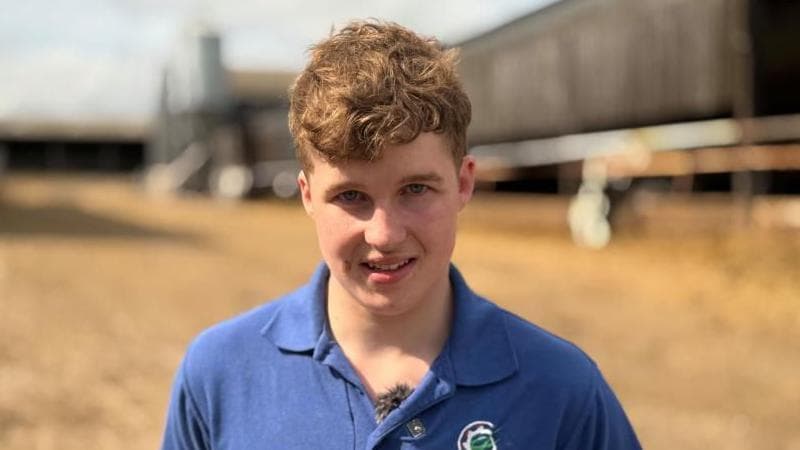
Ben O'Connor, a teenager from County Down, has created an app designed to ease the administrative burden on farmers and reclaim time for their families. FarmFlow is now undergoing trials across multiple farms in the UK and Ireland, with a full launch planned for August.
The 16-year-old was motivated to develop the software after witnessing how his family's transition from beef to dairy farming two years ago transformed their daily routines. The shift to dairy operations brought rigid schedules, longer working hours, and significantly more paperwork—all of which cut into family time. O'Connor's entrepreneurial instincts, honed through selling a mail order gift business he launched at age 13, led him to tackle this problem head-on.
According to farming industry reports, FarmFlow entered a soft-launch phase with approximately 50 users testing it, with early access provided free of charge. A separate report indicated the pilot programme began in May and expanded to involve 160 farms across Ireland, with processor partnerships scheduled for September, particularly within the dairy sector.
The Hidden Toll of Modern Farming
Farmers in Northern Ireland work an average of 65 hours per week, yet much of their labour remains invisible to the public. O'Connor observed that his father and brother faced late nights working alone on the farm or completing compliance paperwork—a reality that prompted him to act.
It is a lot different - it's rigid - you start milking in the morning, you have to milk in the evening. There's not as much flexibility,O'Connor explained, describing the contrast between beef and dairy operations.
He recognised that dairy farming involves
a whole side of farming that the general public don't see, where administrative tasks and regulatory compliance consume hours that could otherwise be spent with family. This insight became the foundation for FarmFlow's design philosophy.
The app's development also aligns with broader concerns about farmer wellbeing. The project has been framed as part of a wider effort to support farmers' mental health and reduce pressure from agricultural administration. A campaign called the Empty Table has been launched alongside the app to raise public awareness of the effort required to produce food.
How Does FarmFlow Work?
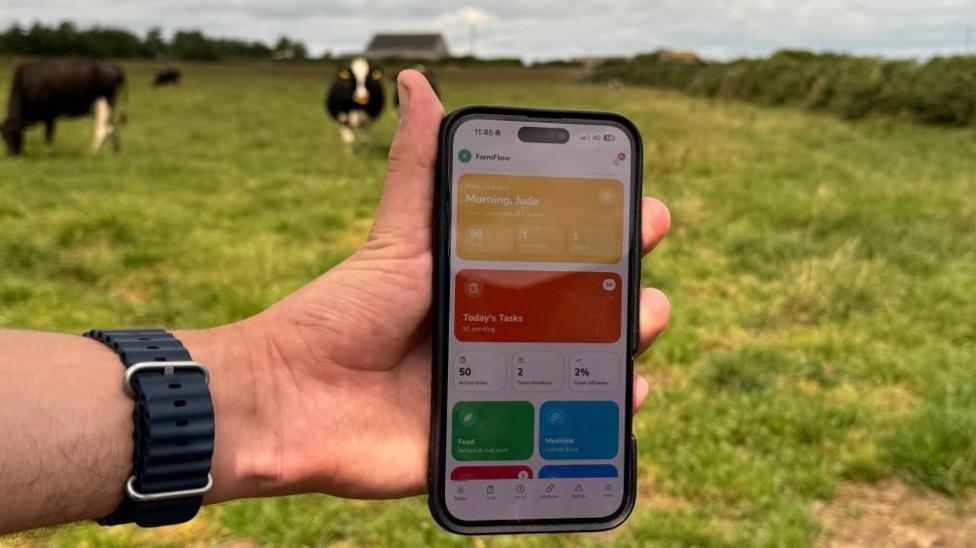
The app enables farmers to manage their business operations remotely, allowing them to update records and track tasks from anywhere on the farm. Features include compliance task tracking, medicine record management, and nutrition planning—all designed with the farmer's workflow in mind.
According to agricultural technology reports, FarmFlow was designed to work offline, storing data locally on the phone and encrypting operational data end-to-end, ensuring farmers can access their information even without internet connectivity.
Around 150 farmers were reported to be on a waiting list to use the app before its full launch, indicating strong early demand within the sector.
Real-World Testing and Feedback
Jude McClements, who runs a 320-strong dairy herd with his family and milks three times daily, became one of the first farmers to trial FarmFlow. As a student at Ulster University in Coleraine, McClements was initially drawn to the app through social media contact with O'Connor, recognising a kindred spirit in agricultural innovation.
When a Red Tractor food assurance inspection was approaching, McClements saw an opportunity to test the app's effectiveness in real conditions.
Coming from a farm, Ben knew a lot of the features farmers want. You can tell that it's designed by a farmer for a farmer,McClements observed.
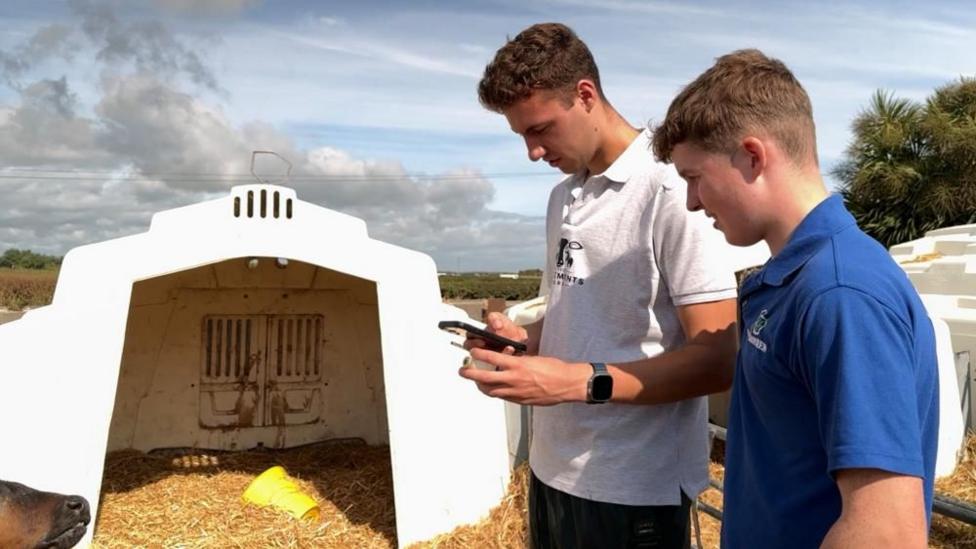
For McClements, the app has transformed his connection to the family operation while studying away from home.
I feel like I'm in the loop and I'm not coming home at the weekends being like, well, what's happening? I can see what calves are sick, I can see what jobs have been done, what jobs need to be done,he explained.
It means that I'm not walking in here after not being here for five days and I know exactly what has and hasn't been done.
The app allows farmers like McClements to complete medicine records on the move and keep track of which tasks need to be completed and by whom, reducing the time spent on administrative work and enabling better coordination across the farm team.

O'Connor's Vision for Agricultural Technology
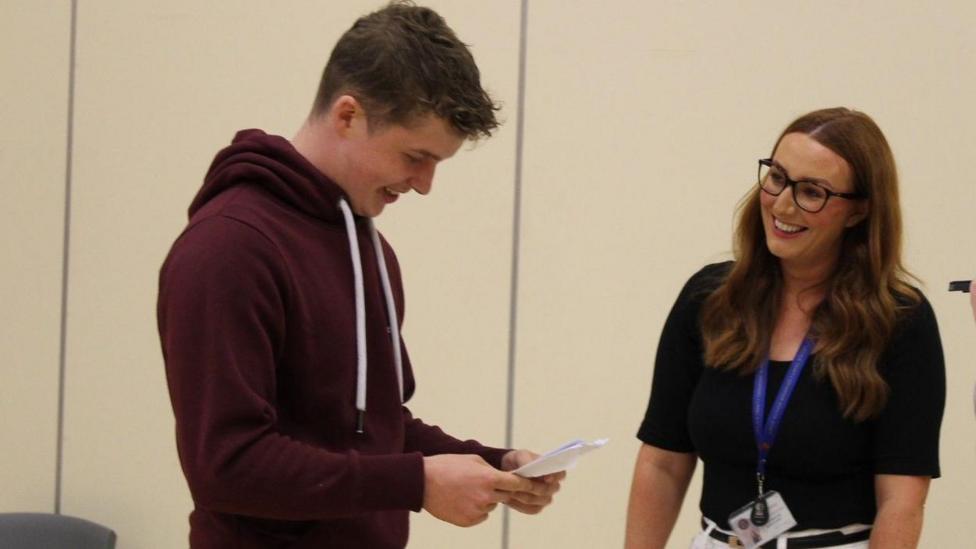
O'Connor's ambition extends beyond FarmFlow. After achieving two A*, five As and two Bs in his GCSEs at Lecale Trinity Grammar in Downpatrick, he plans to continue his education while developing the app alongside his studies.
His long-term goal is to work in agriculture and use technology to modernise the sector.
I think agriculture is such a traditional industry, it needs change and as more young farmers come into it, the industry will start to change,he said.
So I could see, whether it be more robotics and automation or more apps coming out, I think it will definitely be different and more efficient, hopefully.
McClements shares this optimistic view of technology's role in farming. He believes that technological developments will help farmers become more efficient and cost-effective when operating on tight profit margins—a critical consideration as the industry faces mounting pressures.
I love to solve problems,O'Connor reflected on his motivation.
So I wanted to set up FarmFlow to sort of solve problems on our own farm and try and make it more efficient. I love keeping things on time and stuff.
His achievements have already garnered recognition: O'Connor has been nominated in the Northern Ireland start-up category of the Allica Bank Great British Entrepreneur Awards, validating his approach to agricultural innovation at a national level.
What Happens Next
FarmFlow's full launch was scheduled for August, marking the transition from pilot testing to broader availability. Following the launch, processor partnerships are planned for September, with particular focus on the dairy sector, which could significantly expand the app's reach and integration into farm supply chains.
The expansion reflects growing recognition within agriculture that digital tools can address real operational challenges. As more young farmers enter the industry with technological fluency, the sector is likely to see accelerated adoption of software solutions designed to reduce administrative burden and improve farm efficiency.