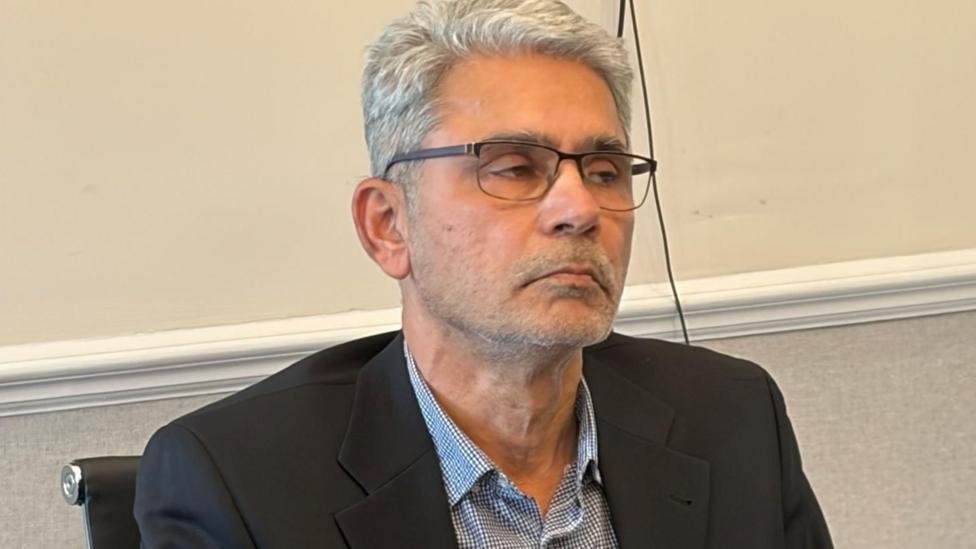
A consultant surgeon at Aberdeen Royal Infirmary has demanded a corporate homicide investigation into allegations that patients across NHS Grampian died from preventable surgical complications over many years. Dr Mohammed Habib, who continues to work as a surgeon at the hospital, disclosed that he has been voicing concerns for a decade without receiving adequate action from government officials or law enforcement. According to BBC News, the whistleblowing physician has released an unpublished expert assessment from 2022 identifying 19 preventable deaths among 45 patients undergoing liver and pancreatic surgery, with some individuals bleeding to death in the operating theatre due to surgical errors.
The allegations emerge one week after a damning Healthcare Improvement Scotland report documented serious deficiencies in NHS Grampian's leadership and organisational culture. The health board has not yet publicly responded to these fresh accusations. Dr Habib held a press conference on Thursday, stating he was risking his career to demand accountability from the health board.
Dr Habib has been employed as a consultant with NHS Grampian since 2014 and specialises in general surgery and hepatopancreatobiliary (liver, pancreas and bile duct) procedures. He formally documented serious concerns regarding dozens of preventable deaths in 2021. In 2024, he reported 20 cases spanning the previous decade to Police Scotland, though no criminal charges have been filed to date. He has also made public two reports prepared by independent external specialists evaluating surgical standards within NHS Grampian.
What did the expert reviews reveal?
The 2022 independent assessment examined 45 patients receiving liver and pancreatic care at Aberdeen Royal Infirmary between 2015 and 2021. Of these patients, 31 died, and the review determined that 19 deaths—representing 42 percent—resulted from preventable consequences of surgery or medical intervention. The analysis found that mortality rates for liver and pancreas surgery at NHS Grampian were substantially elevated. Between 2017 and 2020, the overall death rate following major liver resections was 12 percent within 30 days and 18 percent within 90 days, compared to an anticipated rate of just 2.2 percent.
The review identified decision-making in liver surgery as occasionally being excessively aggressive, with operations proceeding even when disease was believed to be inoperable. In pancreatic surgery, patients were frequently rushed into theatre without sufficient advance planning or evaluation of non-surgical treatment options. The experts noted that blood losses in both surgical specialties were unacceptably elevated and highlighted an absence of leadership and clear operational standards for pre-operative planning.
A second report released earlier in 2026 identified comparable concerns, documenting poor clinical judgment regarding operative risk and benefit assessment, alongside repeated instances of severe blood loss and mortality during and following surgery. The report concluded that difficulties within the unit were longstanding and recurring. Although NHS Grampian had attempted to enhance outcomes, the organisation had not implemented the structural modifications necessary for sustainable improvement. The assessment noted insufficient specialist staffing to deliver services safely and observed that despite concerns being raised repeatedly since 2010, these issues remained unresolved. The report strongly recommended that no complex or major hepatopancreatobiliary surgery should be performed at Aberdeen Royal Infirmary.
How has NHS Grampian responded?
NHS Grampian's chief executive Laura Skaife Knight responded to Dr Habib's December 2025 correspondence by requesting that he allow Healthcare Improvement Scotland to complete its inquiries rather than continuing direct communication with her. She stated she had nothing further to add at that stage. In response to the broader Healthcare Improvement Scotland findings, the chief executive accepted the review's conclusions, apologised to patients and staff, and committed the board to addressing identified failings. The board is also managing a backlog of more than 100 overdue serious patient safety reviews.
Health Secretary Angela Constance has stated that patients remain safe and pledged to demand full transparency at all organisational levels. NHS Grampian appointed Professor Graham Ellis as interim medical director, while the existing medical director and acute medical director stepped aside from their clinical leadership roles, though they remain in frontline hospital positions.
What are Dr Habib's specific allegations?
Dr Habib contends that several hundred patients have experienced harm resulting from excessively high complication rates. He states he first became conscious of preventable surgery-related deaths in 2016 and formally escalated serious concerns in July 2021. He characterises NHS Grampian as guilty of what he terms "wicked recklessness and an indifference to patient deaths" and is calling for a corporate homicide investigation to be initiated.
The consultant reports attempting to utilise whistleblowing procedures but contends that the institutions he contacted failed to respond with sufficient rigour. He states he has contacted the First Minister and Health Secretary repeatedly since June 2023, but the Scottish government responded that it possessed no jurisdiction to investigate whistleblowing allegations. Dr Habib also reports that the Independent Whistleblowing Officer declined to advance his complaints. He characterises the health board's response as avoiding accountability by declining to be transparent about the extent of patient harm while making promises about future improvements. He stated:
They are avoiding accountability by not being transparent about what damage has been done, while promising heaven and earth going forward.
What broader context exists around these allegations?
These claims form part of a wider pattern of concerns regarding patient safety and institutional accountability within Scotland's NHS. Healthcare Improvement Scotland has previously identified major deficiencies in NHS Grampian's handling of patient deaths and leadership failures, including the continuation of paediatric surgery after being instructed to halt operations. Senior health officials have alleged that Scotland's NHS prioritises institutional reputation over patient safety, with systematic cover-ups and dismissal of clinicians raising concerns.
In May 2026, NHS Grampian's chief executive invited Healthcare Improvement Scotland to conduct a diagnostic review in response to concerns about care quality, safety, governance, workforce sustainability, leadership and culture. Healthcare Improvement Scotland stated it had not received satisfactory explanations from NHS Grampian regarding concerns including inadequate analysis and senior oversight of a patient's death during surgery, and incorrect information supplied to the inspectorate. The November diagnostic review identified weaknesses in medical workforce management across the acute sector, including poor recruitment controls, inadequate workforce planning and failures in job planning.
The diagnostic review also found that Dr Gray's Hospital was insufficiently integrated with Aberdeen Royal Infirmary, with a "them and us" culture contributing to staff feeling isolated when raising concerns about patient safety.
What happens next?
NHS Grampian must implement the recommendations contained in Healthcare Improvement Scotland's diagnostic review, and a separate review of the board's systems for investigating significant adverse events is also planned. The health board faces pressure to demonstrate substantive structural and cultural change in response to the mounting evidence of systemic failures in surgical governance and patient safety oversight.