Patients who received years of unnecessary chemotherapy at an NHS trust are demanding a public inquiry after a Royal College of Physicians review uncovered severe harm and widespread failures in care. According to BBC News, the investigation examined 20 cases at University Hospitals Coventry and Warwickshire (UHCW) NHS Trust, where some patients were misdiagnosed while others were told they would die if they stopped treatment—claims later found to be false.
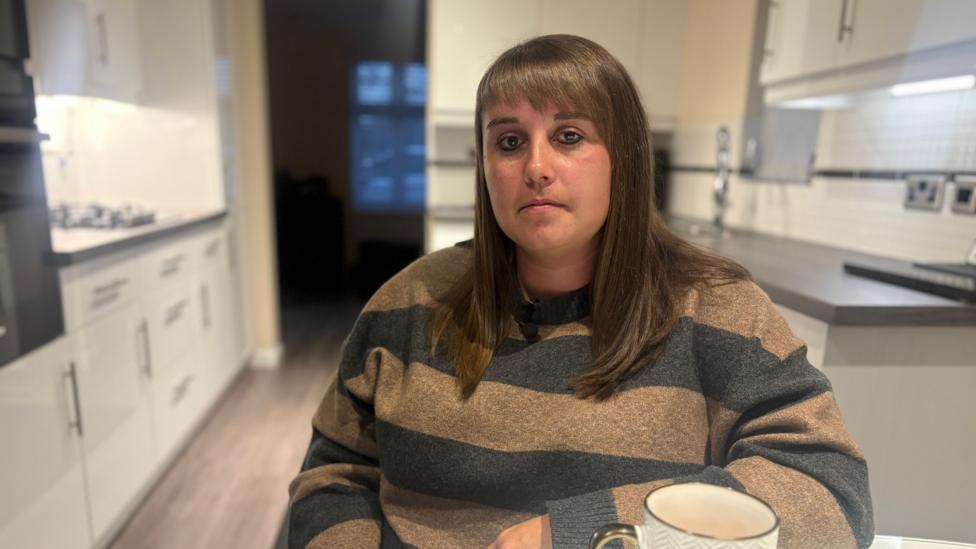
Becky Jones, 34, underwent 11 years of chemotherapy for a brain cancer she never had. She was initially told at age 21 that she had a grade 4 glioblastoma with a prognosis of six to 12 months to live. After more than 100 cycles of the drug temozolomide (TMZ), imaging revealed she had never had a brain tumour; instead, she had tumefactive demyelination, a less serious lesion.
"I have two young children and to think once upon a time I might not have been there for their future kills me every day and it's all down to one person,"she told the BBC.
"Chemotherapy was dished out like it was sweets."

The RCP's examination of care under retired clinical oncologist Prof Ian Brown, identified as Dr Y in the report, revealed alarming patterns of practice. According to ITV News, 15 of the 20 cases examined were found to be unsatisfactory overall, five required improvement, and none represented good practice. The review documented that six patients suffered severe harm and five experienced moderate harm from the treatment regimen.
Temozolomide is typically prescribed for six months following radiotherapy in cases of glioblastoma and astrocytoma brain tumours, but patients at UHCW received the drug for years in violation of standard practice and national guidelines. In one documented case, a patient under Prof Brown's care received more than 100 cycles over 13 years. The review warned that between 2017 and 2023, 83 patients received extended TMZ treatment at the trust, suggesting the problem may be far more widespread than the 20 cases formally examined.
Concerns about Prof Brown's practice emerged when his patients were transferred to other clinicians following his retirement in December 2023. Medics discovered individuals on long-term repeated cycles of TMZ, with some remaining on treatment despite their cancer progressing—a situation where palliative care would have been more appropriate. The Coventry Telegraph reported that the review identified concerns about consent in all 20 cases, insecure diagnoses in three cases, and ineffective clinical governance, alongside inadequate pharmacy challenge and missed opportunities to address unsafe practice.
In the most severe documented outcome, one patient later developed acute myeloid leukaemia, a blood cancer associated with prior chemotherapy exposure, according to the Independent.
Becky Jones, one of more than 40 patients now pursuing legal action against the NHS Trust, expressed her reaction to the findings:
"The findings are worse than I ever expected them to be. A national inquiry needs to happen and things need to be tightened up so it can't happen to anyone else."
What the trust has said
University Hospitals Coventry and Warwickshire NHS Trust has issued an apology for the failures within its neuro-oncology service. Chief executive Professor Andy Hardy and trust chair Sue Noyes stated:
"This is far below the standards our patients deserve and that we expect. We let you down, and for that we offer our sincere apologies."
Prof Brown, who was employed at the trust from 1996 to 2024, did not participate in the RCP review and declined to comment when approached by the BBC at his home.
What happens next
The trust has committed to arranging independent external clinical reviews for living patients who received more than 12 cycles of temozolomide under Prof Brown's care, according to the Telegraph.
The RCP has recommended that the trust discuss with the Department of Health and Social Care how to conduct a wider review of deceased patients who may have received the extended chemotherapy regime.
"There is a large cohort of deceased patients who have received this non-standard chemotherapy regime, who may potentially have come to harm,"the report stated.
"To review every patient would be a significant and costly undertaking. The Trust should determine whether such a step is appropriate, and if so, discuss with the DHSC and/or NHS England how such a review would proceed."
The RCP has also recommended that the trust consider sharing its findings with the General Medical Council.
Key Facts
- Becky Jones received 11 years of chemotherapy for a brain cancer she did not have, with over 100 treatment cycles administered
- The RCP examined 20 cases at UHCW NHS Trust; 15 were found unsatisfactory, with six patients suffering severe harm and five moderate harm
- Between 2017 and 2023, 83 patients received extended temozolomide treatment at the trust, far exceeding the standard six-month course
- More than 40 patients are taking legal action against the NHS Trust over the treatment failures
- Prof Ian Brown, who retired in 2024 after 28 years at the trust, did not participate in the review and refused to comment