Senior figures within Scotland's health system have raised serious concerns that the NHS places institutional reputation ahead of patient safety, with allegations of systematic cover-ups and dismissal of clinicians who voice concerns.
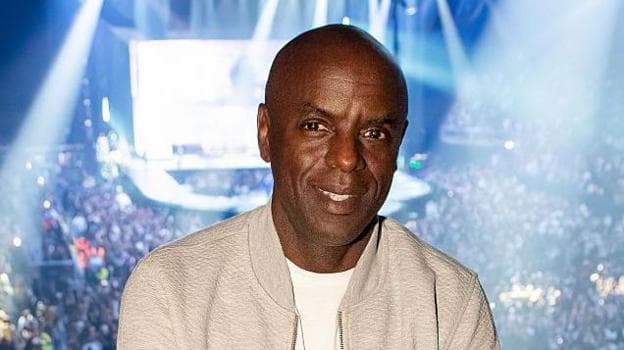
Dr Ian Kennedy, who is stepping down as chair of the British Medical Association (BMA) Scotland, told the BBC that a pervasive "culture of cover-up" exists within the NHS. He described how medical professionals who raise safety issues frequently face personal attacks on their integrity and experience career damage as a result of speaking out.
The allegations emerge following a late submission to the Scottish Hospitals Inquiry in which scientist Dr Michael Bradnam disclosed that his safety concerns about Glasgow's Queen Elizabeth University Hospital (QEUH) were disregarded for 15 years without formal acknowledgement.
Health Secretary Angela Constance rejected the characterisation, stating:
The Scottish government works very closely with NHS Boards to deliver on our shared priorities for patients. Central to this is patient safety and ensuring our hard-working NHS workforce is supported to deliver high-quality care.She also denied that health boards had prioritised reputation over safety, calling the suggestion "simply untrue".
The controversy arrives at a particularly challenging moment for Scotland's hospital system. On 20 August 2026, Dr Gray's Hospital in Elgin suspended all planned paediatric surgery, as well as planned elective dental and ENT procedures, following concerns about care quality and safety for children. The suspension followed an unannounced inspection by Health Improvement Scotland (HIS) in April.
Dr Michael Bradnam's inquiry submission revealed that he had raised concerns about ventilation systems, electrical safety and humidity control at the QEUH without receiving formal responses. He indicated he had submitted three formal SBAR reports but was uncertain whether they had been escalated through governance processes or recorded on risk registers. Families who lost relatives due to environmental issues at the hospital expressed shock at these revelations.
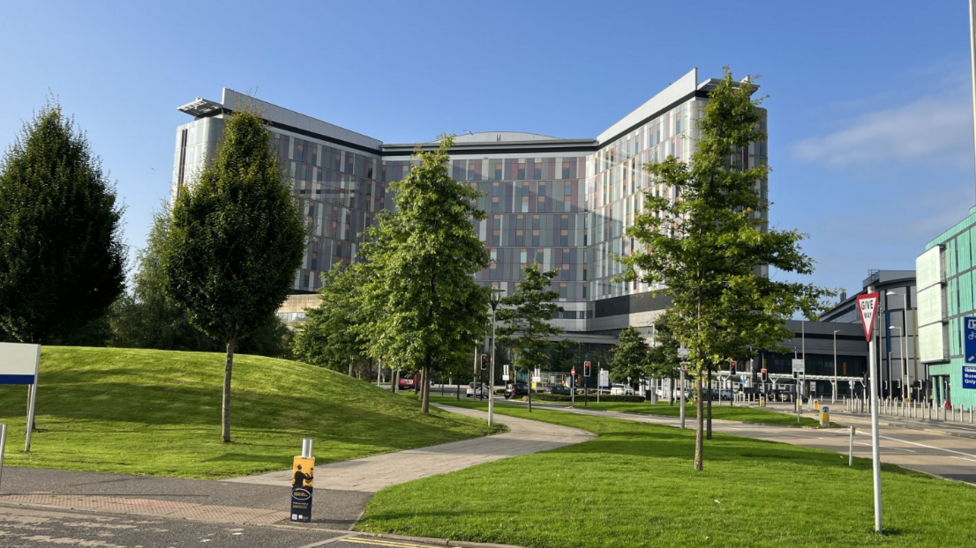
Glasgow's health board responded by stating that when Bradnam's concerns were raised with the current leadership team, "we engaged quickly and established a formal review process to investigate issues thoroughly".

Kennedy, himself a former whistleblower who exposed bullying at NHS Highland, expressed that he was "not surprised at all" by Bradnam's account. Speaking on the BBC's Radio Scotland Breakfast programme, he stated:
Sadly there is a culture of cover-up, there's a culture of trying to keep things hidden and to protect the reputation of health boards and ultimately to protect the government.
A survey conducted by the BMA Scotland among 17,000 members found that the problem was "absolutely across the board", according to Kennedy. He emphasised that meaningful change must originate from the highest levels of government and leadership.
The culture is set at the top, at the very top, so it's really important that whoever is first minister in Scotland and the cabinet secretary for health, they set the culture, as do the MSPs in Holyrood. The message has to be clear that those clinicians, those doctors who raise concerns about patient safety and wrongdoing, will be listened to, they will be rewarded, they will be encouraged, and the focus will not go on to them, but it will go on to the patient safety and wrongdoing concerns that they raise.
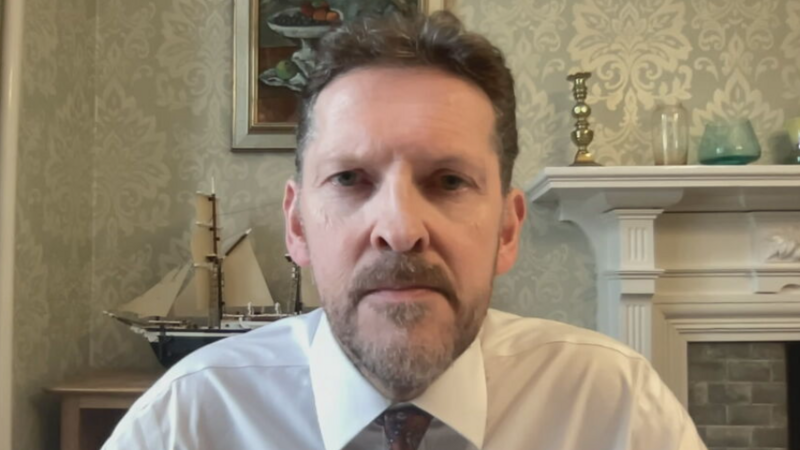
Scotland's patient safety commissioner Karen Titchener echoed similar concerns. While cautious about making blanket statements regarding all health boards, she indicated that in her professional experience, "it would appear" that reputation considerations supersede patient safety concerns, and a "'nothing to see here' culture" persists. She noted that health boards sometimes respond adversely to patients who lodge complaints.
Time and time again, and I would say with the majority of our stories, the patients just shut down and they're not listened to. They're even seen as a pest and an aggressive patient when they're trying to bring up something when they feel that harm was caused to them.Titchener continued:
That's the concern - we should be putting the patients first and we should be saying 'somebody's raising a concern or saying look this is how my care happened'. If they're just being dismissed, then that's very concerning, because how can we change care if patients' concerns are being dismissed?
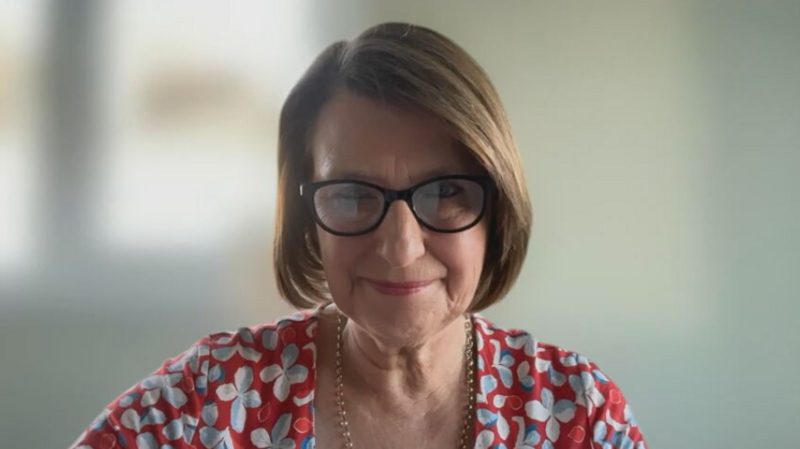
Titchener stressed that cultural transformation within the NHS must originate from senior leadership and must encompass greater openness, transparency and accountability.
We all have to be open and transparent, but also we've got to start taking accountability for what goes on.
Background to the inquiry
The Scottish Hospitals Inquiry was established in 2019 following deaths and unusual infections at the QEUH that raised questions about water and ventilation systems. The inquiry began after problems at the QEUH campus were linked to infections and the deaths of four patients, and Scotland's prosecution service is examining seven fatalities for possible links to the hospital environment. Previous inspections at the hospital's maternity ward identified unsafe conditions, significant delays in labour induction, and concerns over cleanliness and incident management.
What happens next
The Scottish Hospitals Inquiry's submission process closed in January 2026, and the inquiry is expected to publish its findings in the coming months. NHS Grampian indicated that its review of the Dr Gray's Hospital paediatric surgery pause is ongoing, with outpatient care continuing as normal.
Constance stated she maintained a zero-tolerance approach to bullying and harassment, saying:
I expect all boards and their employees to act in line with NHS values. Employees should be able to raise any concerns safely and we will continue to ensure support for whistleblowing is in place across every board. We will also continue to invest in NHS staff wellbeing, to ensure they can continue to deliver the best care.
Key Facts
- Dr Michael Bradnam raised concerns about ventilation, electrical safety and humidity at Glasgow's QEUH for 15 years without receiving formal responses
- A BMA Scotland survey of 17,000 members found concerns about cover-up culture were widespread across the health service
- Dr Gray's Hospital suspended all planned paediatric surgery, elective dental and ENT procedures on 20 August 2026 following safety concerns
- The Scottish Hospitals Inquiry is expected to release findings in the coming months after closing its submission process in January 2026
- Seven fatalities are under examination by Scotland's prosecution service for possible links to the QEUH hospital environment