Health Secretary Yvette Cooper has announced new joint teams of NHS and social care staff that will provide proactive support to 500,000 of England's most vulnerable people by next April, describing the initiative as a "downpayment" on Prime Minister Andy Burnham's promised national care service. The scheme will eventually expand to cover approximately 2 million people and aims to reduce hospital admissions by cutting 4.3 million bed days annually once fully operational, according to The Guardian.
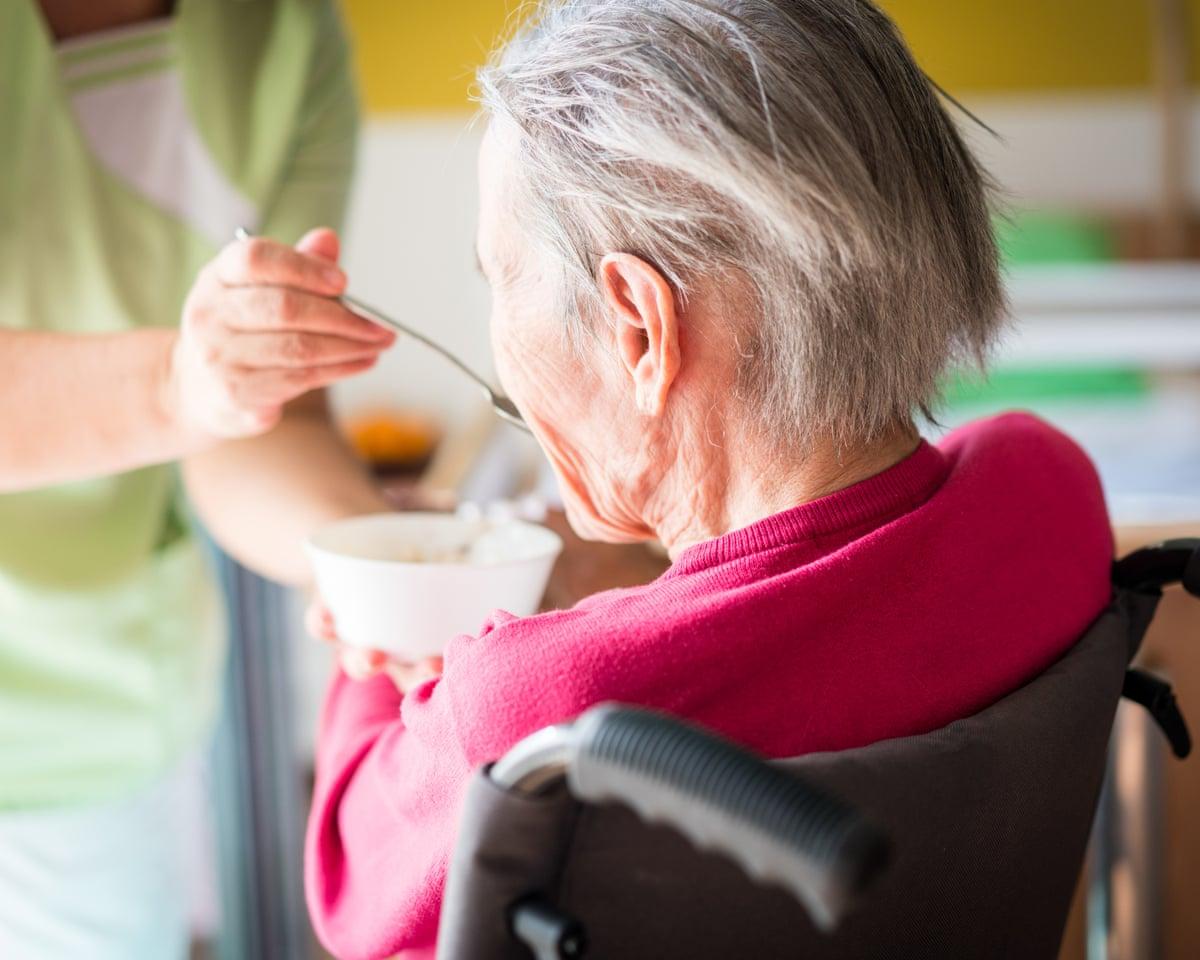
The neighbourhood support teams will focus on elderly people, care home residents, those with dementia and people nearing the end of their lives. These integrated teams will identify the most vulnerable members of their local communities and develop personalised care plans to keep people well and enable them to receive support at home or in care homes rather than in hospital settings.
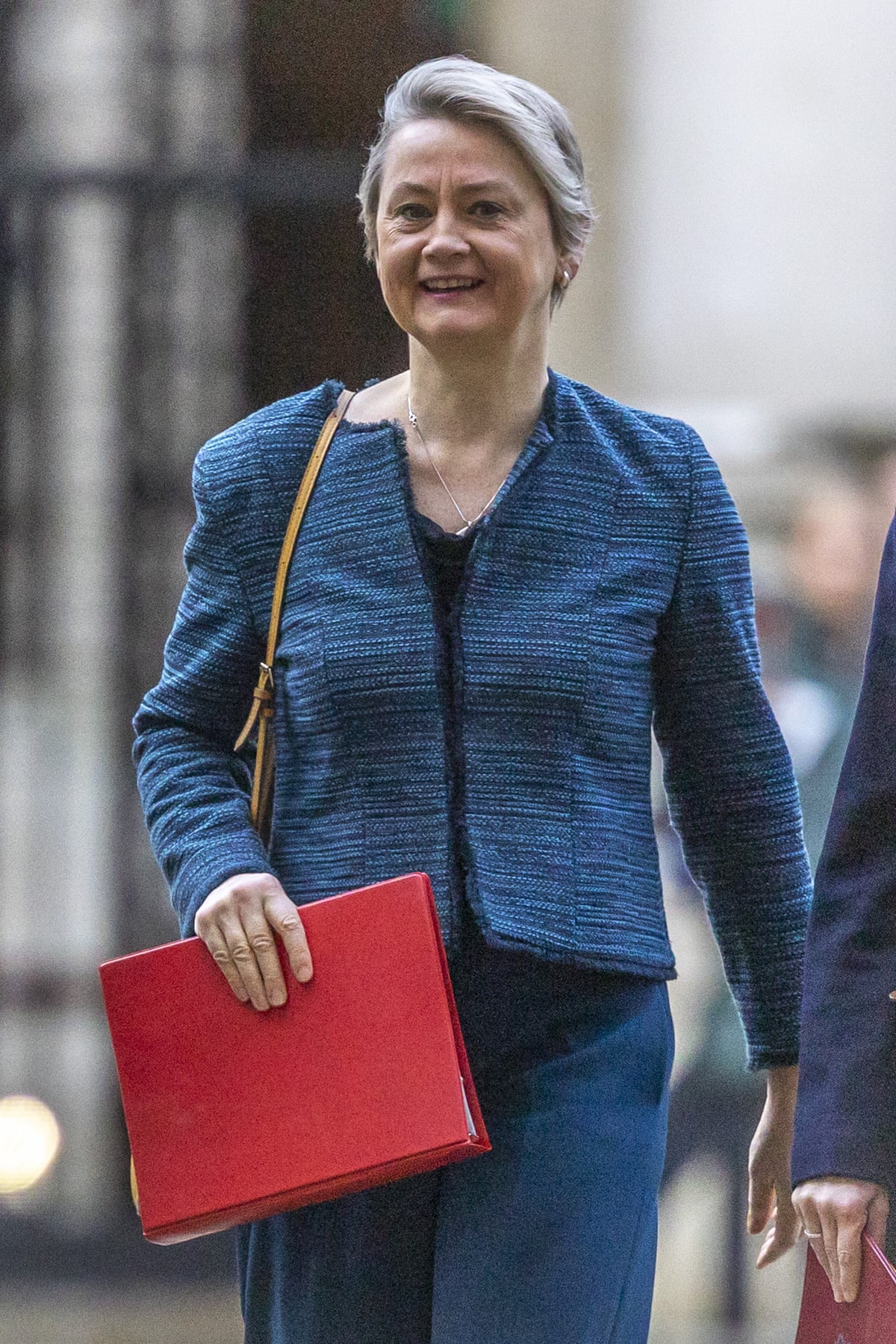
Cooper outlined the initiative during a speech on 18 November at the annual conference of the King's Fund health thinktank. She positioned the neighbourhood teams as part of the government's broader transformation of NHS services through what she termed "three big shifts": moving from analogue to digital-based systems, prioritising illness prevention over treatment, and relocating hospital-based care into community settings and people's homes.
How will the new teams operate?
The neighbourhood support teams will conduct regular health check-ins with vulnerable individuals using staff who know them personally, ensuring they receive appropriate support. Each person supported by these joint NHS and local council teams will have an individual care plan clearly outlining their needs and identifying who should provide assistance. The teams will also provide access to a 24/7 helpline serving as a single point of contact, though the timing of when this service becomes operational remains unclear.
What is the connection to the national care service?
Cooper's announcement represents a practical step toward the broader national care service that Burnham committed to delivering. Burnham previously unveiled plans for an NHS-style free social care system available at the point of use, which he presented as a solution to England's fragmented adult social care system. The government has stated that the National Care Service will be introduced in phases and provide free personal care for older people based on need, while bed and board will remain means-tested.
The neighbourhood teams initiative builds on earlier government action to support vulnerable patients. On 9 November, the government announced a separate £40 million winter programme for GPs to provide extra support to vulnerable patients, including home assessments and medication reviews. This winter scheme targets up to 300,000 patients with heart disease, frailty, emphysema or other COPD conditions, with primary care networks receiving £126 for each eligible patient supported.
Why is this change needed?
The initiative addresses longstanding problems in England's social care system. A report commissioned by Baroness Casey's social care commission described adult social care as fragmented, with responsibilities spread across government and no single point of overall oversight. Cooper framed the neighbourhood teams as a way of providing proactive, personalised care that will make services much easier to access while reducing strain on the NHS, which has struggled to meet growing healthcare demand caused by the ageing population.
The scheme is expected to relieve pressure on overcrowded hospitals by reducing the number of people—mainly the frail elderly and those with dementia—who experience "corridor care" and other forms of delayed treatment.
What happens next?
Baroness Casey's commission is due to publish its final report on how and when to build the National Care Service in summer 2027. That report will provide detailed recommendations on the structure and implementation of the broader national care service, of which the neighbourhood support teams represent an initial phase.
Key Facts
- 500,000 vulnerable people will receive support from neighbourhood teams by April 2027, expanding to 2 million eventually
- The teams will reduce hospital bed days by 4.3 million annually once fully operational
- A separate £40 million winter GP programme launched on 9 November targets up to 300,000 vulnerable patients with chronic conditions
- The neighbourhood teams represent a practical step toward the government's promised national care service
- Baroness Casey's final report on the National Care Service is expected in summer 2027