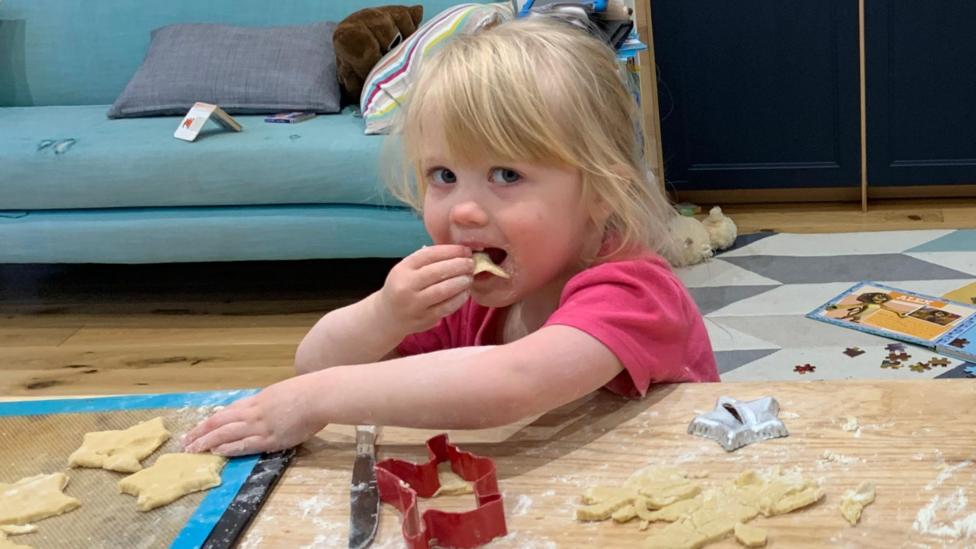
When crayon marks appear on walls or biscuits vanish from tins, children often blame imaginary culprits or deny involvement entirely. Such dishonesty might seem troubling to parents, but developmental experts say it represents an important milestone in a child's mental growth.
According to BBC News, clinical psychologist Dr Jade Redfern explains that deception and lying are skills children develop and refine as part of normal psychological progression. The ability to deceive others demonstrates emerging cognitive sophistication that supports healthy development.
When do children start to deceive?
Infants become capable of deception earlier than many parents realise. Research from the University of Bristol found that around a quarter of children show some understanding of deception by 10 months old, with this proportion rising to approximately half by 17 months. The study, published on 16 March 2026, surveyed parents of more than 750 children aged 0–47 months across the UK, US, Australia and Canada.
Prof Elena Hoicka, who led the research, found it striking how young children could be so cunning.
As a mother of three, I can certainly vouch for how artful and wily they can be. Hiding under the table or in the bathroom to eat sweets or chocolate is their common ploy.
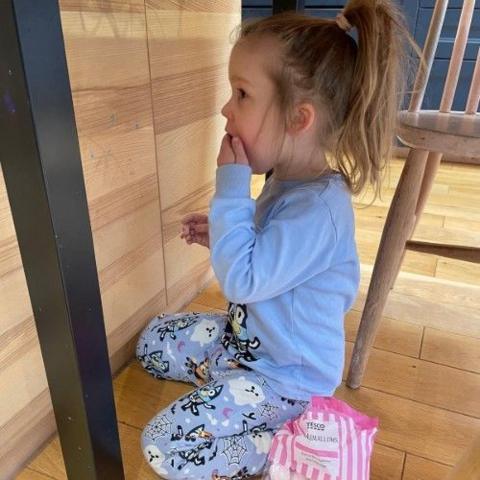
Young children lack the sophistication for complex falsehoods initially, but basic deception emerges early. From around age two, children employ simple strategies such as pretending not to hear instructions or denying responsibility for actions. They may also engage in forbidden activities secretly, like opening bags they were told to avoid when they believe no one is watching, or inventing excuses such as claiming to need the toilet when asked to tidy up.

By age three, children become considerably more inventive in their deceptions, reflecting deeper understanding of language and how other people think. They begin withholding information strategically—for instance, truthfully reporting that a sibling hit them while omitting that they struck first.
What does deception reveal about development?
These emerging deceptive abilities signal development of what Redfern terms
theory of mind—the understanding that other people have separate minds, thoughts and intentions from their own. This cognitive skill underpins empathy and the capacity to consider perspectives different from one's own.
Redfern explains the significance:
As children grow up, we want them to learn and develop the skill that they are their own human being with a separate mind and intentions. This is how [they] develop the skills in empathy, or being able to think about another person's thoughts and feelings that might differ from their own.
Self-preservation motivates many childhood lies. Children fear disappointing or upsetting their parents and want to maintain the relationship they depend upon. Redfern notes that all humans are driven by attachment, and children learn early which behaviours strengthen or damage their bond with caregivers.
How can parents encourage honesty?
Creating a safe environment where children feel secure telling the truth proves essential. Rather than responding with anger or harsh punishment, parents should help children understand that admitting mistakes won't destroy the relationship.
Rachel Duffy, winner of the latest series of The Traitors, shared her approach on the CBeebies Parenting podcast. When her eldest son borrowed his brother's bike and broke it after crashing into a car, he initially lied about the incident. Duffy told him:
You'll not get into big trouble when you tell me the truth.She then stepped back to give him space.
And he went, 'Yeah, that was me.' And then he knew that space was safe. We had a conversation - no raised voices, no roaring or shouting.
Redfern endorses this approach, noting that it demonstrates how to handle such situations effectively. She also acknowledges that some lies or tactful omissions serve appropriate purposes—such as when children receive unwanted gifts or comment on others' physical appearance. When her own children recently told her she was very wrinkly, she responded with curiosity rather than defensiveness, using it as an opportunity to discuss why they held that view.
Redfern advocates for open, curious conversations as children mature.
I think just being able to explore as children get older, just having open, curious conversations - it really develops empathy for somebody else's feelings when they've been shown and modelled empathy over and over again.
How widespread is early deception?
The Early Deception Survey research estimated that 75% of children had engaged in at least one deception type by 24 months and 97.5% by 38 months, with the earliest parent-reported instance occurring at eight months. The researchers developed this survey as a measure and taxonomy of early deception, with validation studies involving samples ranging from 85 to 610 participants.
These findings underscore that deception is not aberrant behaviour but rather a nearly universal feature of childhood development, reflecting the emergence of crucial cognitive and social abilities.