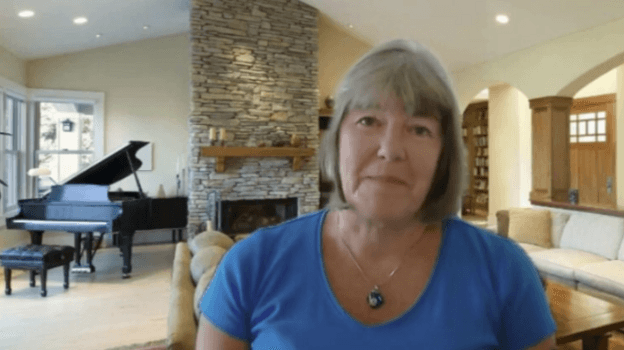
A senior NHS executive in Scotland has received a £378,000 redundancy payment following her retirement from a health board role, according to figures disclosed by BBC News. Mary Morgan stepped down as chief executive of NHS National Services Scotland (NSS) on 3 May after 44 years in the health service, with the payment made under contractual redundancy terms as part of an organisational restructuring.
The redundancy came after NHS NSS was absorbed into a newly created public body called Public Services Delivery (PSD) Scotland in April. Morgan, who earned between £160,000 and £165,000 annually, had led NHS NSS since 2021. A PSD Scotland spokesperson confirmed that all payments were consistent with her employment contract and acknowledged her "exceptional career" in the NHS.
The timing of Morgan's exit coincides with a broader transformation of Scotland's health system. The Scottish Government has committed to reducing the number of territorial health boards from 14 to two as part of a major restructuring announced in the First Minister's September Programme for Government. However, Herald Scotland reported in November that the proposed overhaul currently lacks a completed business case, with officials assessing risks of delays, cost increases and service disruption at more than 2.5 times their acceptable tolerance level.
How did the organisational change lead to Morgan's departure?
NHS NSS ceased to exist as a separate entity when it merged into PSD Scotland in April. The new organisation was established to drive changes across the health and care system and the wider public sector. PSD Scotland also absorbed NHS Education for Scotland, with Prof Karen Reid, the former chief executive of that body, now leading the combined organisation. The Scottish Government has indicated that PSD Scotland's remit includes workforce planning and development, service infrastructure and innovation, with a particular focus on digital transformation, operating through the existing Common Services Agency legal framework.
When BBC Scotland enquired on 10 March about Morgan's future, NHS NSS stated she was "considering her options and next opportunity in line with national workforce policies". Three weeks later, Keith Redpath, then chairman of NHS NSS, announced her retirement, describing it as the conclusion of an "exceptional 44-year career in NHS Scotland". The NHS NSS accounts for 2025/26 formally recorded that Morgan retired under contractual redundancy terms on 3 May and received £378,000.
What is Morgan's pension entitlement?
Beyond the redundancy payment, Morgan's pension pot—formally known as the Cash Equivalent Transfer Value—stands at just over £2 million, according to the NSS accounts. This substantial sum reflects her lengthy tenure in the NHS pension scheme. Morgan declined to comment when approached by the BBC about her departure and financial settlement.
What are the wider concerns about the NHS restructuring?
The health board merger plan has drawn criticism from medical professionals. Scotland's leading doctors have called on the government to scrap the plans, citing a lack of evidence that patients would benefit and raising concerns about costs and disruption to services. First Minister John Swinney has pledged that the restructuring will not result in compulsory redundancies, though inevitable job losses are expected across the public sector as the health system is reorganised.
The redundancy payment to Morgan comes at a time of broader workforce challenges in Scotland's NHS. In August, ward clerks at NHS Greater Glasgow and Clyde called off a planned strike after voting to accept an improved pay offer, which could deliver pay increases exceeding £2,000 for experienced workers and up to three years of back pay.
When will the new NHS structure be fully operational?
The overhaul is proceeding on a lengthy timeline. According to officials cited in government papers, the Outline Business Case for the merger is due in final draft form by 31 March 2027, with an initial draft expected by the end of 2026. The new NHS board structure may not be fully in place until 2028 or 2029, meaning the transition will span several years and involve significant planning and coordination across Scotland's health system.
Key Facts:
- Mary Morgan received £378,000 in redundancy payment when she retired on 3 May after 44 years in the NHS
- Her retirement followed the merger of NHS National Services Scotland into Public Services Delivery Scotland in April
- Morgan's pension entitlement stands at just over £2 million
- Scotland's health boards are being reduced from 14 to two, though the plan currently lacks a completed business case
- The new NHS structure is not expected to be fully operational until 2028 or 2029