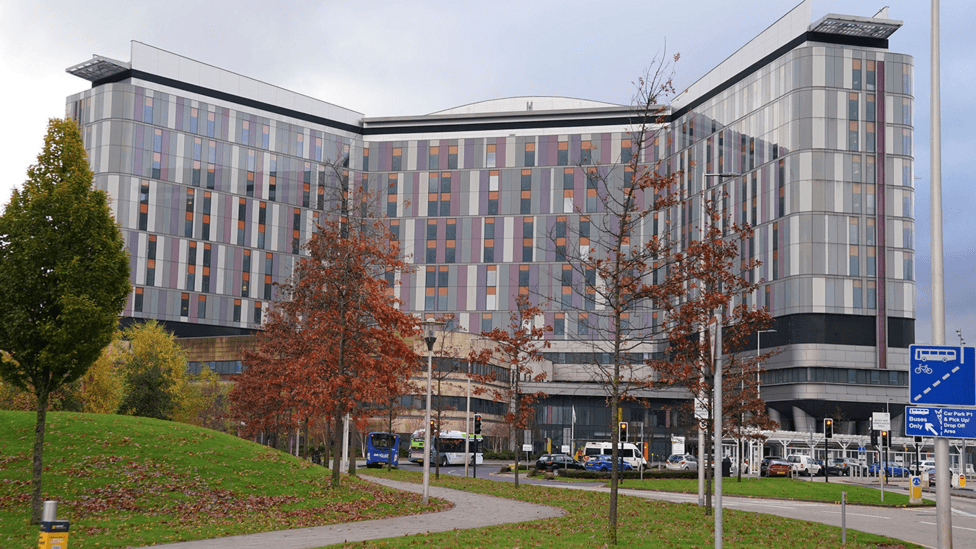
Senior emergency consultants at Scotland's largest hospital have escalated concerns to the healthcare watchdog about patient safety risks stemming from prolonged care delays in the emergency department.
According to BBC News, the consultants sent a letter to Healthcare Improvement Scotland (HIS) in July, describing what they characterised as an "uncontrollable system failure" at the Queen Elizabeth University Hospital (QEUH) in Glasgow. The letter warned of deteriorating conditions since HIS completed its previous assessment in 2024, which identified poor relationships between management and clinical staff as a factor likely to harm patient care.
The July 10 letter, addressed to HIS director Eddie Docherty, detailed specific operational pressures affecting emergency care. Staff were being forced to move patients from resuscitation areas into corridors to manage sustained overcapacity, the consultants reported. Waits for admission from the emergency department can exceed 24 hours, according to the correspondence.
The consultants emphasised that no effective strategy existed to resolve the underlying problems. They cited evidence establishing a clear link between overcrowding in accident and emergency departments and elevated mortality rates among patients.
What did the previous inspection find?
HIS's 2025 independent review had already identified significant concerns at the hospital. The report made 30 recommendations for NHS Greater Glasgow and Clyde (NHSGGC) and 11 for the Scottish Government and national agencies, covering patient flow, safety learning, staff wellbeing, and workplace relationships. The earlier review had concluded that strained relationships between managers and consultants were likely to have damaged patient care quality.
The current letter signals that conditions have worsened rather than improved since that assessment. This represents a significant escalation, particularly given that HIS had previously apologised to the consultants and upheld two complaints about its handling of their 2023 safety concerns, including failing to give the doctors an opportunity to discuss their worries or provide supporting evidence.
How has the watchdog responded?
HIS acknowledged the fresh concerns in a statement, saying it continued to take the issues raised by emergency department staff seriously. The watchdog confirmed it would meet frontline staff and review progress against its previous recommendations during November. HIS also stated it had informed Scottish Government colleagues of the ongoing pressures being reported.
The statement noted that responsibility for implementing required changes rested with NHSGGC, and that the board was expected to demonstrate progress on the recommendations and respond to staff concerns. HIS indicated it was conducting follow-up work but said it would be inappropriate to comment in detail on specific correspondence or pre-empt findings from its further review.
What are politicians saying?
The Scottish Liberal Democrats called for immediate government intervention. Adam Harley MSP, the party's health spokesman, described the letter as "chilling" and said the Scottish Government needed to recognise the crisis at QEUH and act decisively. He argued that patients requiring resuscitation at one of Scotland's busiest hospitals should be able to take their safety for granted, and characterised the situation as evidence of accountability failure and proof that the NHS required urgent rescue.
The health board and Scottish Government were approached for comment but had not provided statements at the time of reporting.
What is the broader context?
The emergency department crisis at QEUH reflects wider pressures across Scotland's NHS. A leading emergency medicine doctor warned in October 2026 that she was "completely terrified" about winter pressures on Scotland's NHS, describing A&E departments as providing unsafe care with patients spending up to 72 hours on trolleys in corridors.
The QEUH itself has faced sustained scrutiny over safety issues. Dr Michael Bradnam told the Scottish Hospitals Inquiry that his 15 years of warnings about ventilation, electrical safety and humidity at the hospital went unanswered. Additionally, an inspection at the maternity ward found unsafe conditions, significant delays in labour induction, and concerns over cleanliness and incident management.
Broader allegations have also emerged about institutional priorities. Senior health officials have claimed Scotland's NHS prioritises institutional reputation over patient safety, with systematic cover-ups and dismissal of clinicians raising concerns.
What happens next?
HIS is conducting a follow-up review to assess whether NHSGGC has implemented the recommendations from its 2025 report. The watchdog has committed to meeting frontline staff and reviewing progress during November. NHSGGC has stated that further support is required at QEUH and that it is working with HIS on an independent progress review, though no specific date for findings has been announced.