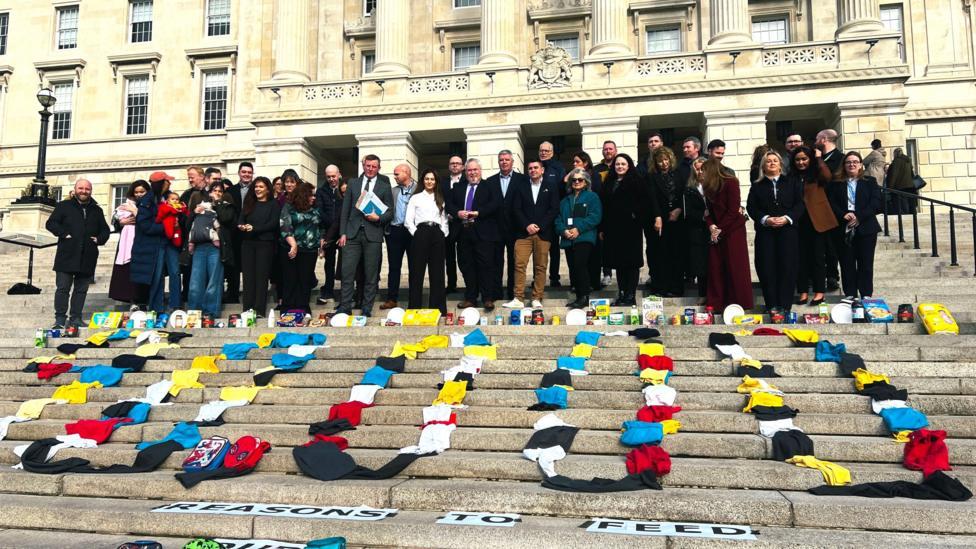
The Northern Ireland Assembly is set to vote on the Holiday Meal Payments Bill during its final stage on 10 November 2026, with debate scheduled between 12:15–13:00 and 14:45–15:15. The proposed legislation would establish a new payment scheme for families whose children receive free school meals, providing financial support during school holidays to help offset food costs. According to BBC News, community groups and charities have rallied behind the measure, staging a demonstration at Stormont on Monday to urge members to pass it, though the Democratic Unionist Party has mounted sustained opposition.
The bill was introduced by Sinn Féin assembly member Danny Baker in March 2026 and has undergone scrutiny by members of the legislative assembly over nine months. The Assembly's Education Committee reported that the sponsor's 14-week consultation received more than 1,100 responses, indicating substantial public engagement with the proposal. The bill completed its Second Stage on 13 April 2026 and was referred to the Education Committee, with the Assembly later extending the Committee Stage deadline to 18 September.
What motivated the bill's introduction?
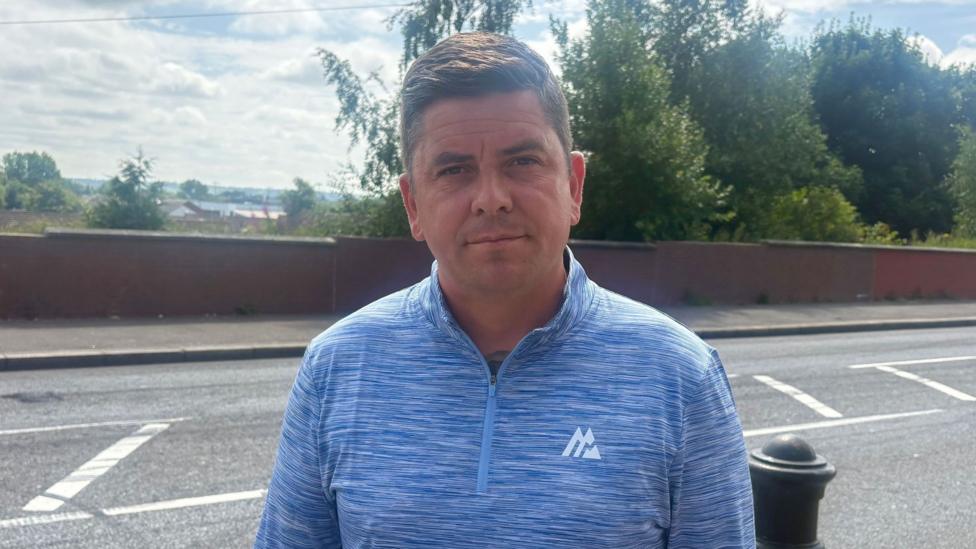
Baker drew on his experience in youth work and breakfast club schemes when developing the legislation. He recounted a formative moment that crystallised his thinking on the issue:
"There was a young boy, about the same age of my youngest, around seven years old. He was filling his wee pockets up and we caught on to this. To cut a long story short, he was bringing home food for his siblings because there just wasn't enough food in the house."Baker emphasised that while the bill alone cannot solve child poverty, it would function as an
"early intervention"and that all ministers face difficult choices about resource allocation.
Children qualify for free school meals if their household income falls below £15,390 annually. Northern Ireland stands as the only UK region without government-funded holiday food support, following the Department of Education's decision to end its £27-per-fortnight holiday meal grant in 2023. This gap in provision forms the backdrop to Baker's legislative effort.
The bill's progression through the Assembly has involved detailed examination of its mechanics. The Committee report describes payments as equivalent to the published cost of school meals, paid to a nominated bank account, with the main provisions required to take effect no later than the next relevant period after Royal Assent. During the Assembly's Further Consideration Stage on 12 October 2026, one amendment was voted down while 12 others were not put to a vote.
How have campaigners and charities responded?
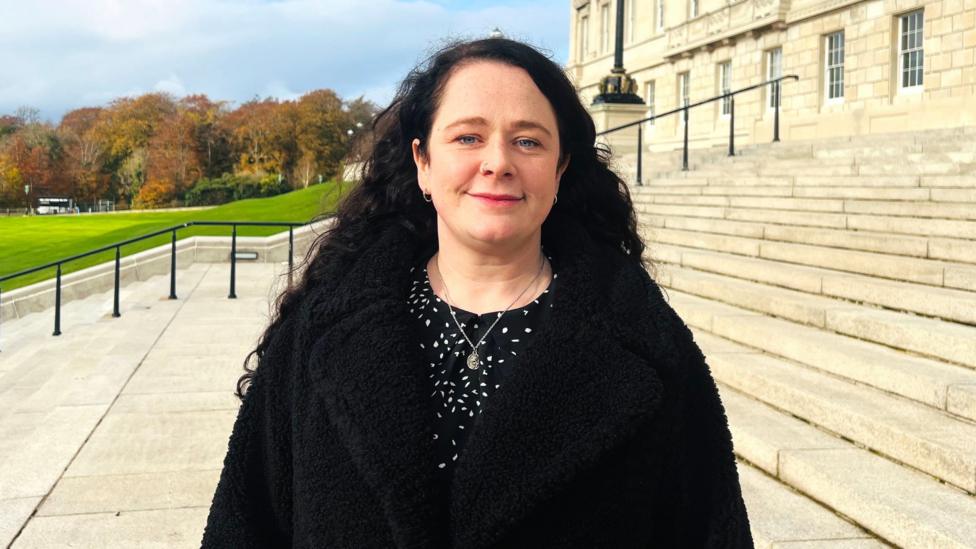
Community and voluntary organisations have publicly endorsed the bill, with supporters gathering at Stormont on Monday to press MLAs to secure its passage. Louise McCullough, a mother of three from east Belfast whose children receive free school meals, spoke at the demonstration about the direct impact the legislation would have on her family. She explained:
"There are so many working families who need this, it will change their lives and be massively impactful."McCullough described her own circumstances, noting:
"I can't afford to work full time because of the cost of childcare, and the cost of living. We have to do what we can and schemes like free school meals make a difference but so much more needs done... if you can't find money for hungry children what are you doing? Our government should be scaffolding our families properly."
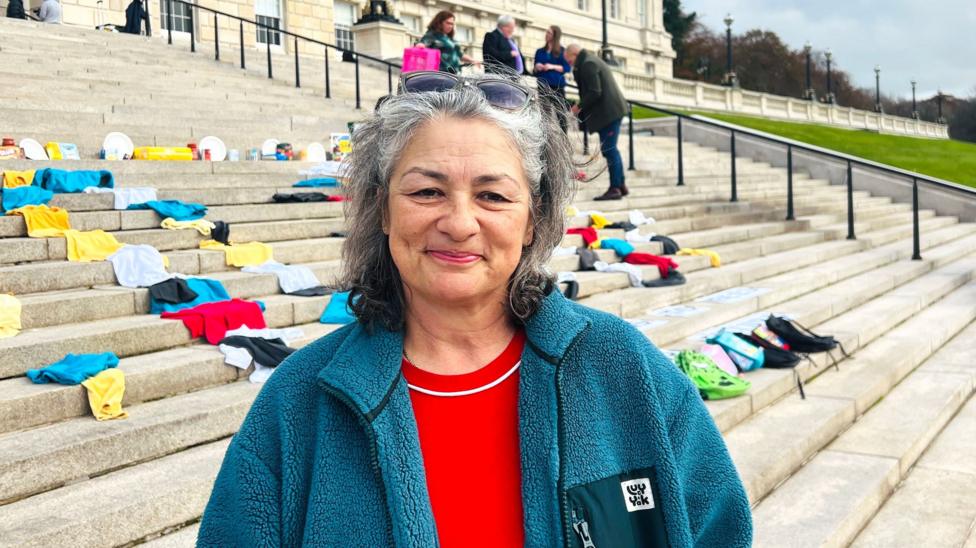
Edel Diamond, representing the South West Belfast Foodbank, highlighted the role organisations like hers have played in addressing food insecurity. She stated:
"We shouldn't have to - it's incumbent on our executive to put these initiatives forward. This will make such a difference to families we're seeing daily."Diamond's remarks underscored the view among support services that government intervention through legislation represents a more sustainable solution than reliance on charitable provision.
What is the education minister's position?
Education Minister Paul Givan of the DUP has consistently opposed the bill, arguing that his department lacks the funding to implement it without cutting other education spending. He has warned that a vote in favour would effectively constitute a decision to reduce education budgets at a time when all departments face severe financial constraints. Last month, his department tabled amendments that would have granted him power to delay implementation, but these were rejected by a majority of parties.
DUP leader Gavin Robinson escalated the party's criticism on Monday, characterising the bill as
"reckless irresponsibility"and branding it an
"absurdity"given that Stormont's finances were
"already overstretched". Robinson further argued:
"This minister is already having to cut his cloth in a way that's going to be difficult and damaging for families."However, Sinn Féin countered that the bill would deliver
"much-needed support"to struggling households.
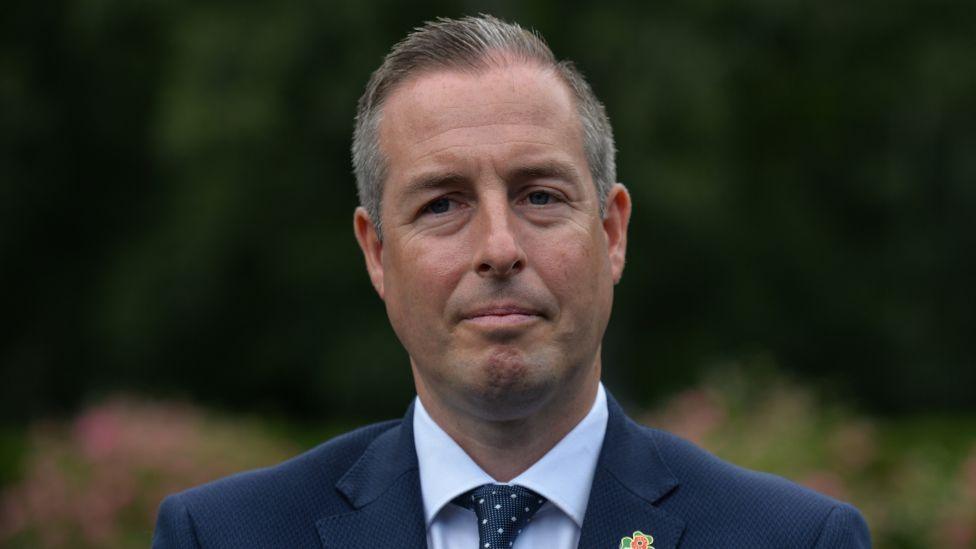
Ulster Unionist leader Jon Burrows announced his party would also vote against the measure, contending that it was
"undermining"the executive's case for requesting additional funding from Westminster to resolve the ongoing budget impasse. Despite opposition from both the DUP and UUP, Sinn Féin is anticipated to secure sufficient backing from Alliance and SDLP MLAs to ensure the bill's passage.
What are the financial implications?
Cost estimates for the scheme vary. The DUP Education Minister has warned of an immediate annual cost of £20 million to his budget. However, an Assembly research paper estimates average annual Department of Education expenditure of approximately £21.9 million over the next eight years, suggesting the long-term financial commitment may differ from initial projections. These figures underscore the budgetary tensions that have characterised the debate surrounding the legislation.
What happens next?
The Assembly's Final Stage debate is scheduled for 10 November 2026, with voting expected to conclude by mid-afternoon. Given the anticipated support from Sinn Féin, Alliance, and SDLP members, the bill is expected to pass despite DUP and UUP opposition. If approved, the legislation would move toward Royal Assent and implementation, with the main provisions required to take effect no later than the next relevant school holiday period following formal approval.