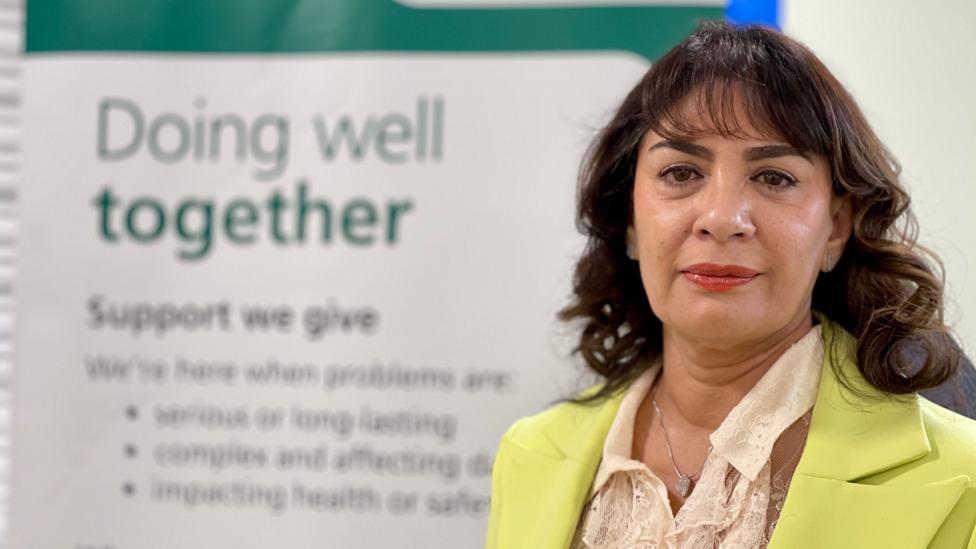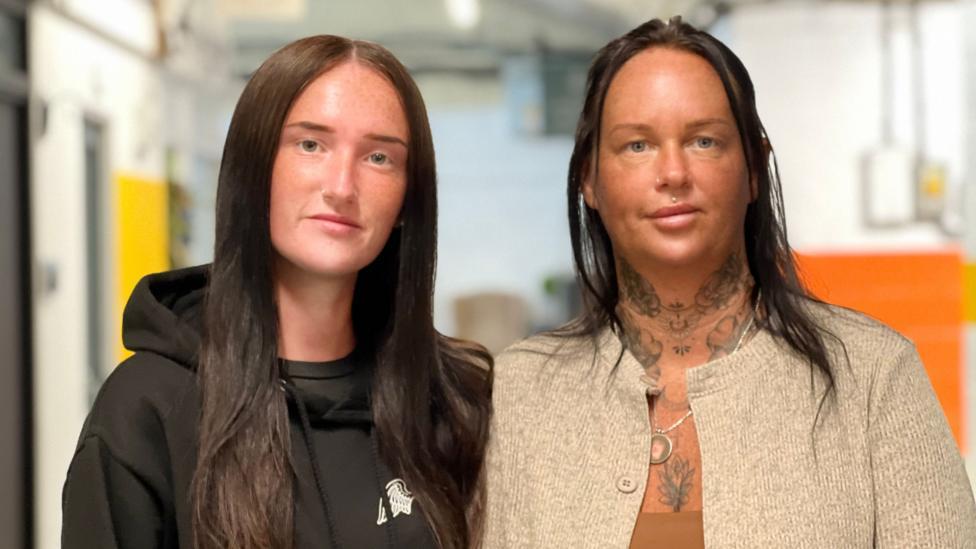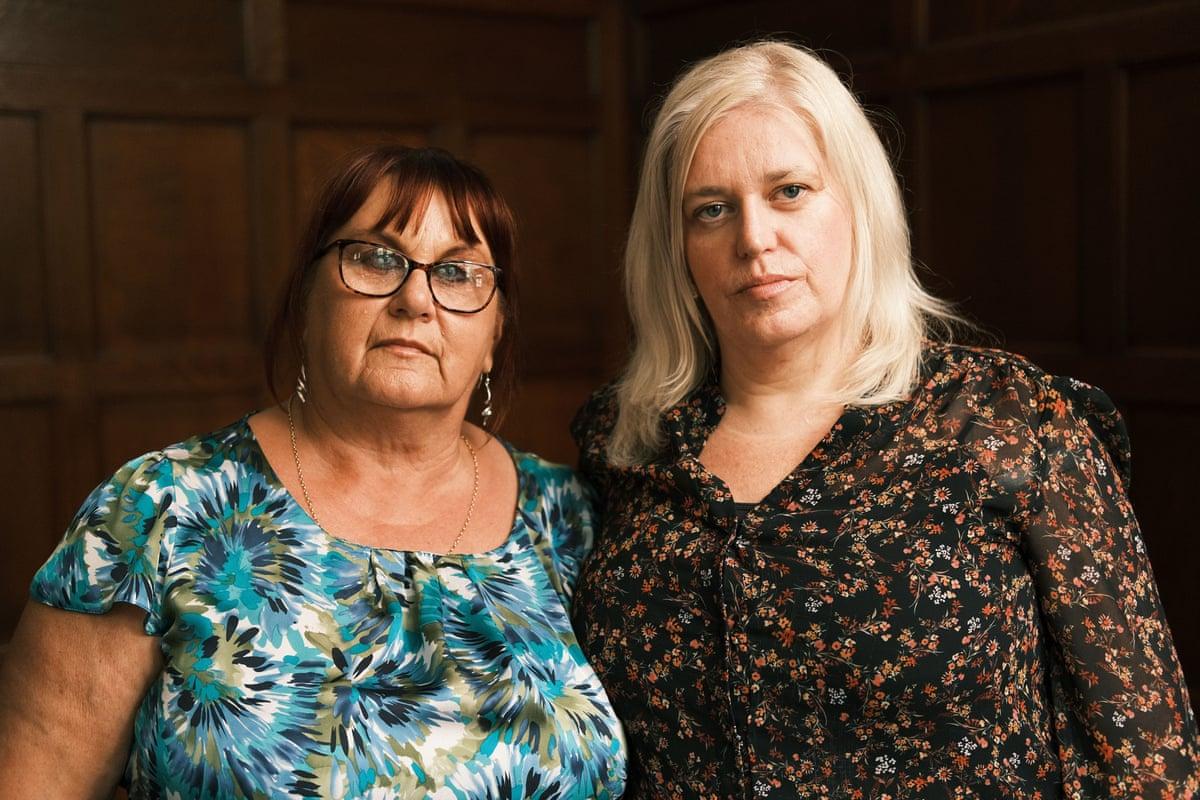
A teenager whose family secured the right to his life-saving cannabis oil on the NHS now faces a critical shortage after the Dutch pharmaceutical company that manufactures it declared bankruptcy. Alfie Deacon, 15, has been seizure-free for eight years since starting treatment with Bedrolite, a specific cannabis formulation, but according to BBC News, the collapse of Bedrocan in October has thrown his family into fresh uncertainty about his future care.
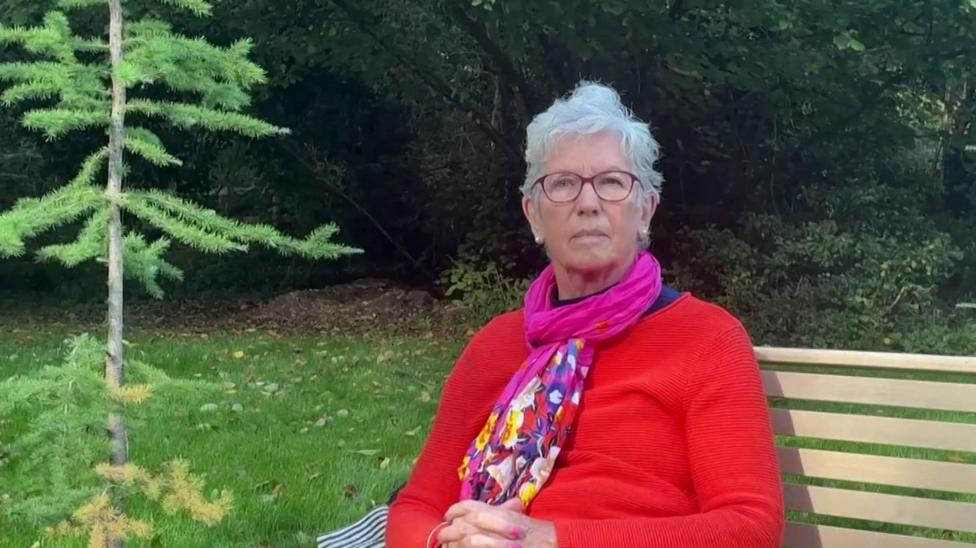
His grandmother Maggie Deacon has resumed campaigning to protect his supply following the death of his mother Hannah in 2024, just 52 days after a cancer diagnosis. The situation highlights a broader vulnerability in the UK's reliance on imported medicinal cannabis products for patients with severe, drug-resistant epilepsy.
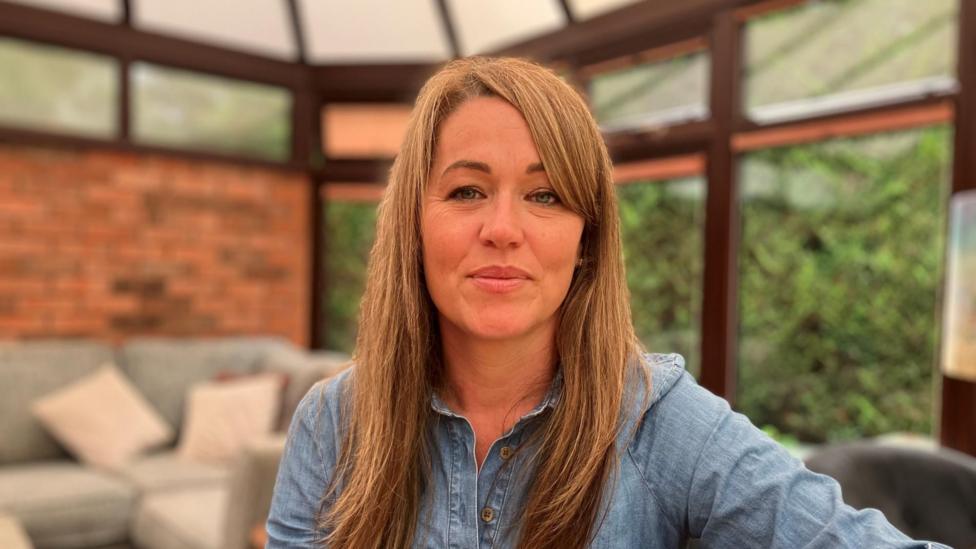
Alfie's journey to accessing Bedrolite began when his mother Hannah fought a high-profile campaign that reached Downing Street in 2018. Before receiving the medication, the boy experienced approximately 150 seizures per week and spent much of his childhood in hospital. His condition transformed dramatically once treatment began, allowing him to attend school and pursue normal activities.
"Alfie wouldn't be with us if he didn't have this medicine, that's the reality," Maggie told the BBC, recalling the severity of his previous condition.
What happens to patients if supplies run out?
Families and medical professionals fear the consequences could be catastrophic. Target Healthcare confirmed it has enough Bedrolite stock for about six months and is discussing a longer-term plan with Bedrocan and other organisations, but this timeline offers only temporary relief.
Maggie expressed deep concern about what withdrawal from the medication could mean for her grandson.
"Alfie was in hospital every week for between three and five days... for the family, it was just living in a crisis. It wasn't a life, it was just awful."She added that medical evidence shows that
"if you stop giving the child medical cannabis, and then start again, sometimes it doesn't work."
"My wonderful grandson might be condemned to mass doses of steroids every week just to give him two or three days respite, no school, no football,"she said.
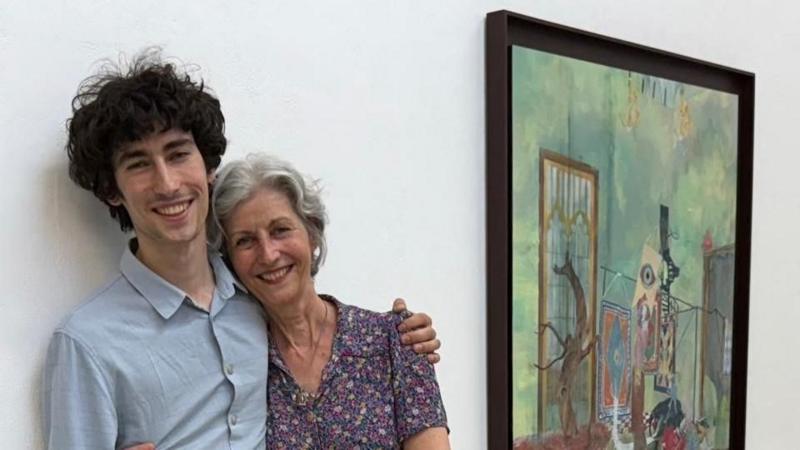
Emma Matthews, whose son Louis has also been seizure-free on Bedrolite for six years, expressed even starker fears about discontinuation.
"It's a cliff-edge condition, if it's stopped, you could die that night,"she said. Louis, now 23 and living what his mother describes as a full, happy life with a first-class degree in fine art, had previously attempted to reduce his dosage, only to experience the immediate return of seizures.
"He knows that's a real possibility if you have severe seizures and you don't have the drugs,"Matthews explained, describing her son's fear of dying during the night without medication.
Why is the supply chain so fragile?
The UK's dependence on imported Bedrolite reflects a significant gap in domestic pharmaceutical production. Target Healthcare began producing Bedrolite oil at its Glasgow facility in 2022 after a supply disruption following Brexit, yet the company still relies on coordination with international partners and government bodies.
The Dutch government is preventing exports of remaining Bedrolite stock to protect supplies for its own citizens, compounding the problem for UK patients. Maggie highlighted the precariousness of this arrangement:
"There is not a reliable source of the medicine in the UK. It's imported. So, it could be overnight Alfie and all the other children who are on this medicine will become terribly ill."
Bedrolite is a highly specific formulation of cannabis, and patients and their families insist that alternative cannabis oils would not produce the same therapeutic effect. The drug's uniqueness means there is no straightforward substitute if supplies are exhausted.
What is the government doing?
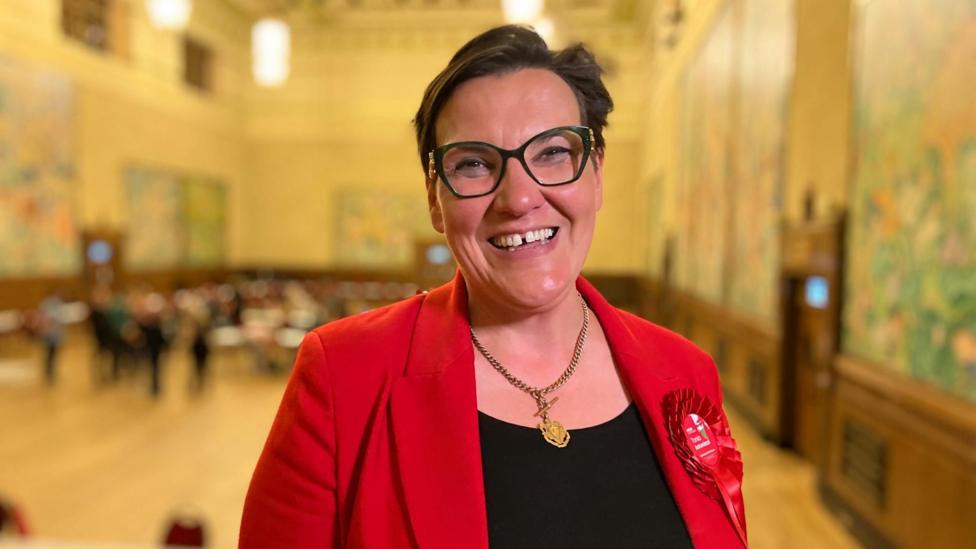
Labour MP Tonia Antoniazzi, who has led the parliamentary campaign for medicinal cannabis access, has written to the health minister demanding action.
"We've asked the government to secure the supply of Bedrolite for people like Alfie, because that is going to have huge ramifications to the quality of their life."
She has called for the UK to develop its own production capacity rather than remaining dependent on imports.
"It's not beyond the wit of government to be able to develop a similar product in the UK."
The Department of Health and Social Care acknowledged the urgency of the situation in a statement to the BBC:
"We recognise the importance of uninterrupted access to medicines for patients with severe, drug-resistant epilepsy, whose conditions are managed using unlicensed cannabis-based products for medicinal use. Access will remain in the short term for NHS and private UK patients, with sufficient stock currently available to support continued treatment into the coming months. We are continuing to work with the UK supplier and Dutch government to understand if additional stock can be made available."
However, the department's assurance of short-term access provides little comfort to families facing an uncertain future beyond the next six months. Both the MedCan Families Foundation and the Medical Cannabis Clinicians Society have written to the government urging intervention.
What is the broader context?
The Bedrolite crisis reflects a wider pattern of supply vulnerabilities affecting patients dependent on specialist medications. About seven UK patients rely on Bedrolite, including three NHS patients whose prescriptions have been supplied through a pharmacy in the Netherlands, making the small patient population particularly vulnerable to supply chain disruptions.
The underlying cause of Bedrocan's collapse involved a breakdown in its relationship with Dutch health authorities. The company lost its longstanding supply arrangement with the Dutch Office of Medicinal Cannabis before the bankruptcy, reportedly unable to reach agreement with the Dutch health ministry on payment and transfer of remaining batches.
Bedrocan told the BBC that
"While Bedrocan Netherlands and Bedrocan International were declared bankrupt, there is still Bedrolite inventory available in the Netherlands"and that
"efforts are under way to secure a restart of the business."The company acknowledged
"clearly a great deal of concern about continuity of treatment"among UK families.
What happens next?
The timeline for resolving the crisis remains uncertain. A first public report from the bankruptcy administrators is expected in early January 2027 and may clarify the fate of Bedrocan's assets and frozen inventory. Meanwhile, the Dutch health ministry plans a European tender in 2027 to find imported medicinal cannabis supplies, though this process may take months to complete.
Maggie Deacon continues her campaign in her daughter's memory, determined to ensure that Alfie and other children dependent on Bedrolite do not lose access to the medication that has transformed their lives. The case underscores the need for greater domestic capacity in producing specialist medicinal cannabis products and more robust contingency planning for patients reliant on imported pharmaceuticals.