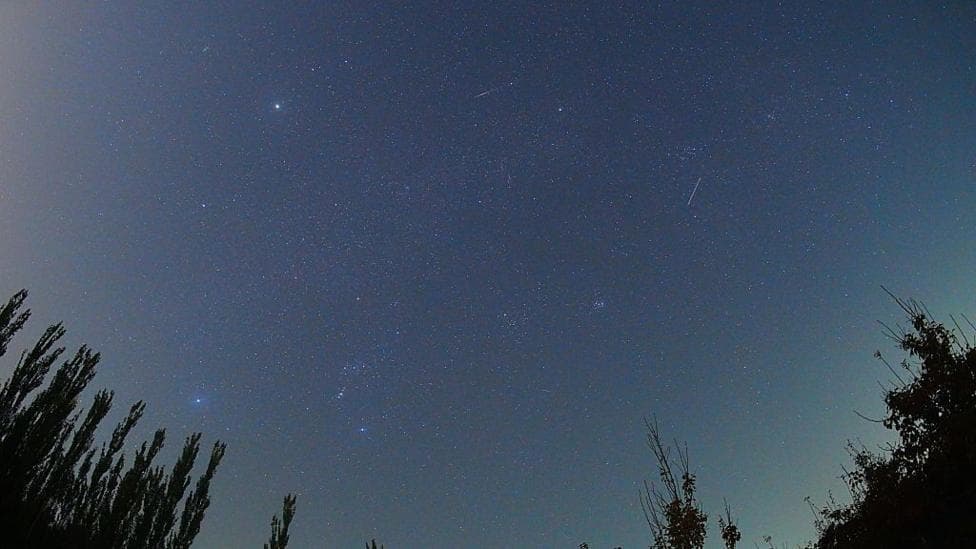
One of the year's most spectacular celestial displays is returning to Earth's skies this week as our planet travels through a stream of cosmic debris released by Halley's Comet. The Orionid meteor shower will reach its peak overnight from 21 to 22 October, offering stargazers an opportunity to witness dozens of fast-moving streaks of light crossing the night sky.
The shower remains active throughout a broad window spanning from 2 October to 7 November, but the most intense activity will occur during the peak nights. This annual event occurs because Earth's orbit intersects with material left in space by one of the Solar System's most famous and well-documented comets.
The Orionids are part of a broader pattern of meteor activity linked to Halley's Comet. Autumn's lengthening nights offer prime opportunities for stargazing, with multiple meteor showers and celestial events visible during the season.
What creates the Orionid display?
When minuscule particles from Halley's Comet collide with Earth's upper atmosphere at tremendous velocity, friction causes them to ignite and create the luminous trails observers see as meteors. The Orionids are particularly notable for their speed, entering the atmosphere at approximately 41 miles per second. Many of these meteors leave glowing trails that persist for several seconds, making them easier to observe than faster, fainter meteors from other showers.
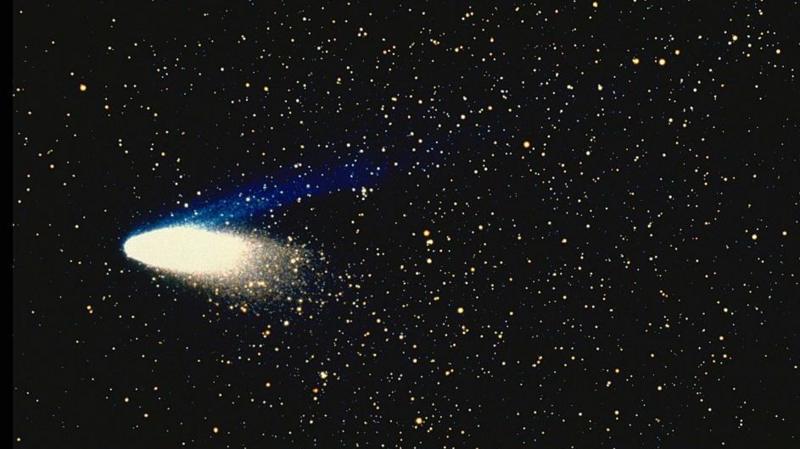
Halley's Comet itself stands among the most celebrated comets visible from Earth, with historical records of observations spanning centuries. The comet completes one full orbit around the Sun every 76 years and was last observed from Earth in 1986. Although the comet will not return to Earth's vicinity until 2061, the debris trail it leaves behind continues to produce two distinct meteor showers annually. The Eta Aquariids occur in May, while the Orionids arrive in October.
Under optimal viewing conditions, observers can expect to see between 10 and 20 meteors per hour during the shower's peak. The meteors appear to originate from the direction of the constellation Orion—the source of the shower's name—but they can streak across any part of the visible sky. Viewing with the naked eye provides the best experience; telescopes and binoculars are unnecessary and may actually hinder observation.
How can you best observe the Orionids?
Location plays a critical role in successful meteor watching. Seek out areas far removed from street lighting and urban light pollution, where an unobstructed view of as much sky as possible is available. Once you arrive at your chosen location, allow 15 to 20 minutes for your eyes to adapt fully to the darkness, which will enable you to detect fainter meteors that would otherwise remain invisible.
The optimal viewing window falls between midnight and dawn, when the sky reaches its darkest point and the radiant point of the shower climbs highest above the horizon. Patience and comfort are essential; bring warm clothing and consider lying on your back to maximize the area of sky you can monitor.
What weather conditions will affect viewing across the UK?
Viewing prospects vary significantly across different regions of the United Kingdom. Southern and eastern England are expected to experience the most favorable conditions, with extended clear periods punctuated by occasional patches of cloud drifting across the sky. These areas offer the highest probability of sustained meteor observation during the peak nights.
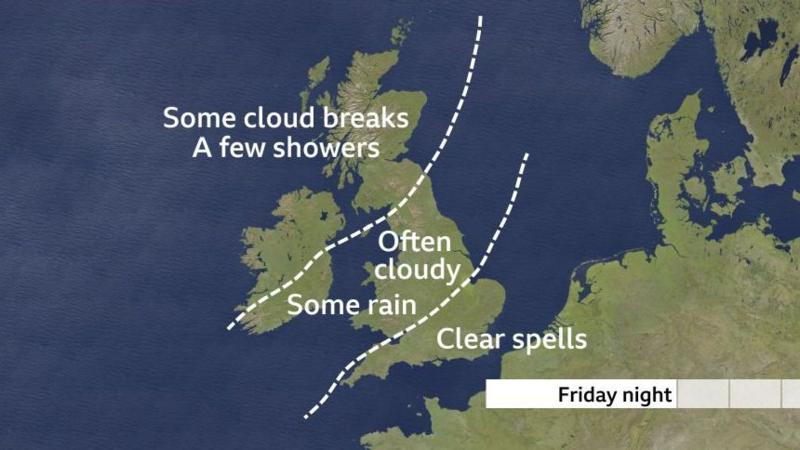
Wales, the Midlands, and Northern England face more challenging circumstances. A slow-moving weather front will bring persistent cloud cover and rain outbreaks across these regions during the early part of the night. However, conditions are forecast to improve as the night progresses, with rain becoming more scattered and cloud breaks developing, potentially allowing glimpses of the shower between weather systems.
Scotland and Northern Ireland will experience a mixed pattern of clear intervals, patchy cloud, and occasional showers. Observers in these regions should remain alert for gaps between rain showers, as these breaks may provide sufficient clear sky to observe at least portions of the display.
How will the Moon affect the display?
The Moon's phase during the peak will influence how many meteors become visible to observers. During the Orionid peak, the Moon will be in its waxing gibbous phase, meaning it will be substantially illuminated and will remain visible throughout much of the night. This moonlight will wash out fainter meteors, making them difficult or impossible to detect against the brightened sky.
The brightest meteors, however, should remain visible even under these conditions, particularly from locations that offer good protection from artificial light sources. Observers in rural areas with minimal light pollution will have a significant advantage during nights when the Moon is prominent.
What is the broader context for autumn stargazing?
The Orionids represent one component of a rich autumn observing season. The Pleiades star cluster, Leonid meteor showers, a November planetary parade, and a supermoon are all visible across the coming months, providing multiple opportunities for night sky enthusiasts throughout the season. The lengthening nights of autumn create ideal conditions for extended stargazing sessions.
Previous meteor showers have demonstrated the variability of viewing conditions across the UK. Clear skies and minimal moonlight have been forecasted for past UK meteor shower peaks, highlighting how weather patterns and lunar phases significantly influence the success of any observing session. Flexibility and persistence often reward dedicated observers.