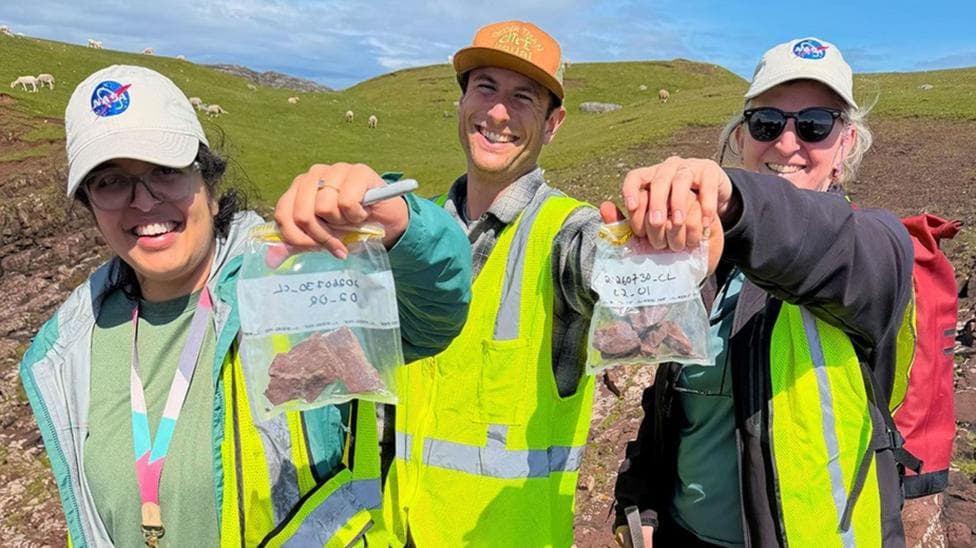
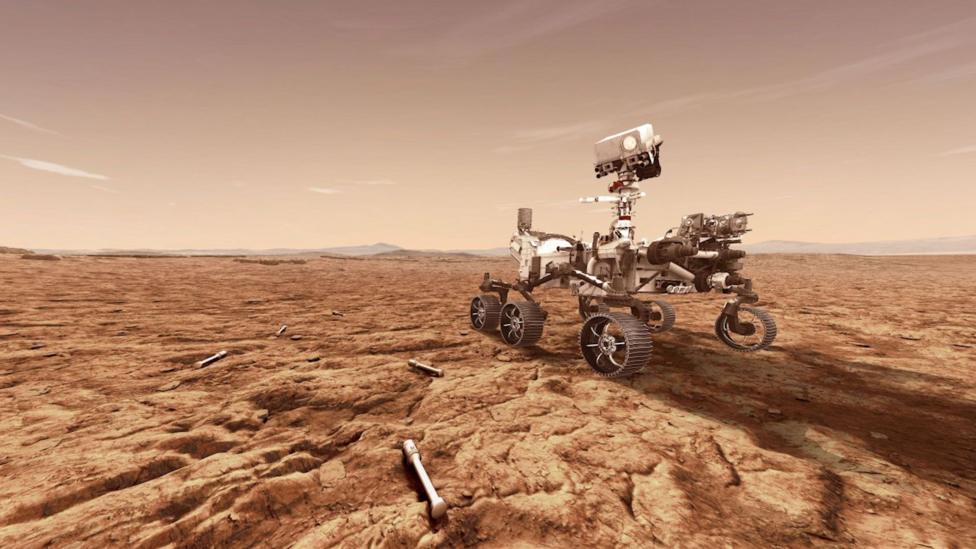
Researchers from the United States space agency are examining ancient rock formations in the Scottish Highlands to help determine whether microbial life once existed on Mars. The investigation focuses on understanding how biosignatures—markings potentially created by ancient microbes—appear in Earth rocks, knowledge that will inform the interpretation of similar features detected by Nasa's Perseverance rover on the Red Planet.
Last year, Perseverance identified what may be potential biosignatures on Martian rocks. This summer, a Nasa-led team collected samples from the Stoer Formation, a geological feature near Clachtoll in Assynt in the north-west Highlands. According to Nasa's Planetary Expeditions blog, the Scottish samples have since been transported to laboratories in the United States and elsewhere for comprehensive analysis by an interdisciplinary team of scientists.
Why study Scottish rocks?
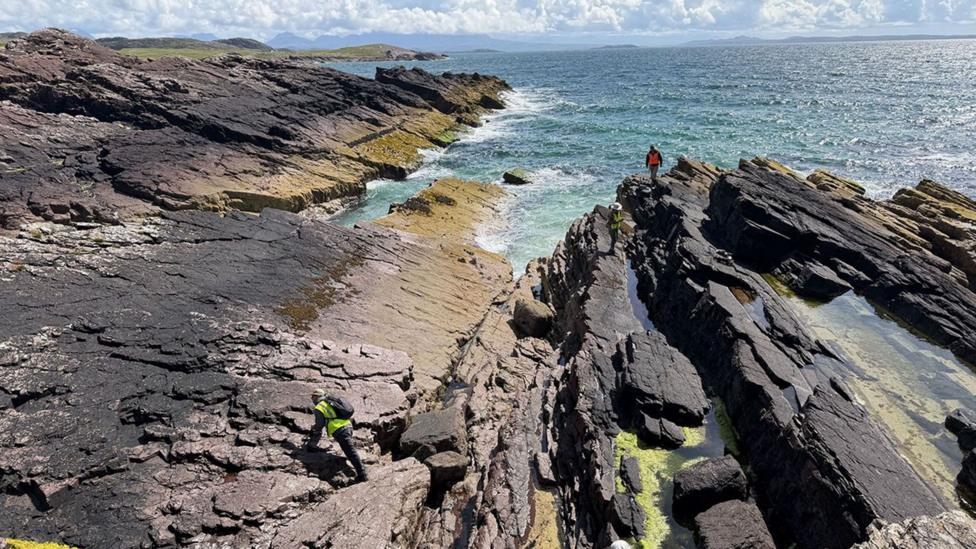
The Clachtoll area contains rocks that formed in environments strikingly similar to those of ancient Martian lakes and rivers, making it an ideal terrestrial analogue for understanding Martian geology. Nasa explained that both Mars and Earth possess layered deposits of mudstones and siltstones rich in clay minerals, shaped by ancient water flow. The Scottish rocks at Clachtoll may also preserve evidence of microbial life from 1.2 billion years ago, offering a natural laboratory for studying how biosignatures are preserved and detected in ancient rock.
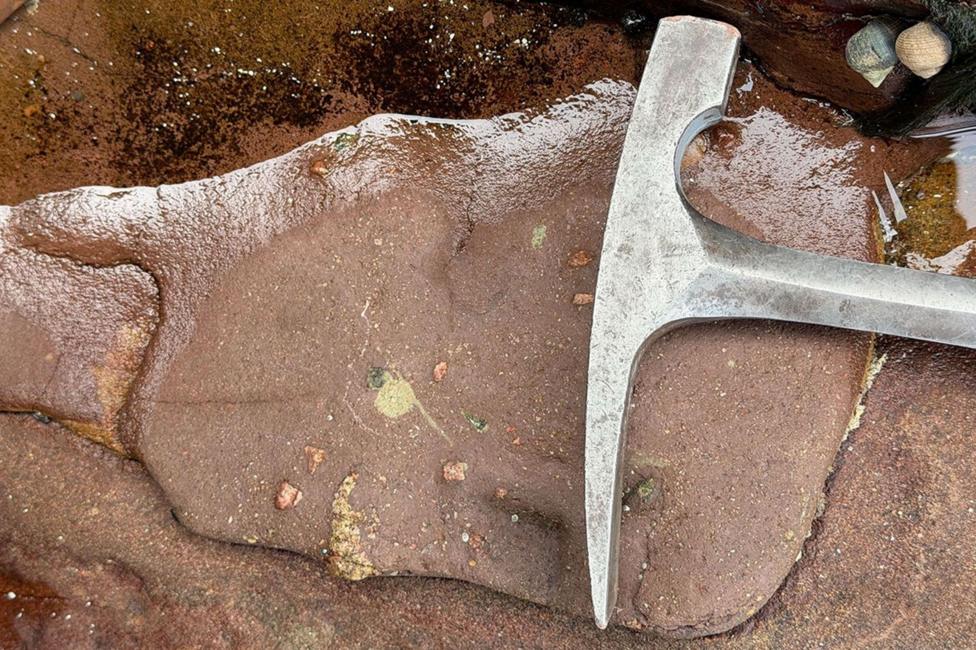
The fieldwork was prompted by a specific discovery: according to Nasa's research team, Perseverance found reduction spots—grey-green features in red sandstone—in Jezero Crater on Mars. These features may reflect a chemical reaction that could indicate ancient microbial activity. Understanding how such markings appear in Earth rocks helps scientists better interpret similar patterns detected on Mars.
Who led the research expedition?
Nasa's Goddard Instrument Field Team, which specialises in studying Earth's extreme environments, directed the fieldwork. The expedition brought together researchers from multiple institutions, including the universities of Glasgow and Cambridge. According to Nasa's Planetary Expeditions blog, the team also included scientists from Nasa's Johnson Space Center, the University of Maryland, Purdue University and Stony Brook University.
During fieldwork at the Clachtoll cliffs, the team employed handheld instruments to analyse mineral and chemical composition directly in the field, searching specifically for reduction spots and other features that might indicate past microbial presence. Rock samples were collected from the cliff faces for further detailed examination.
Where is Clachtoll and why does it matter?
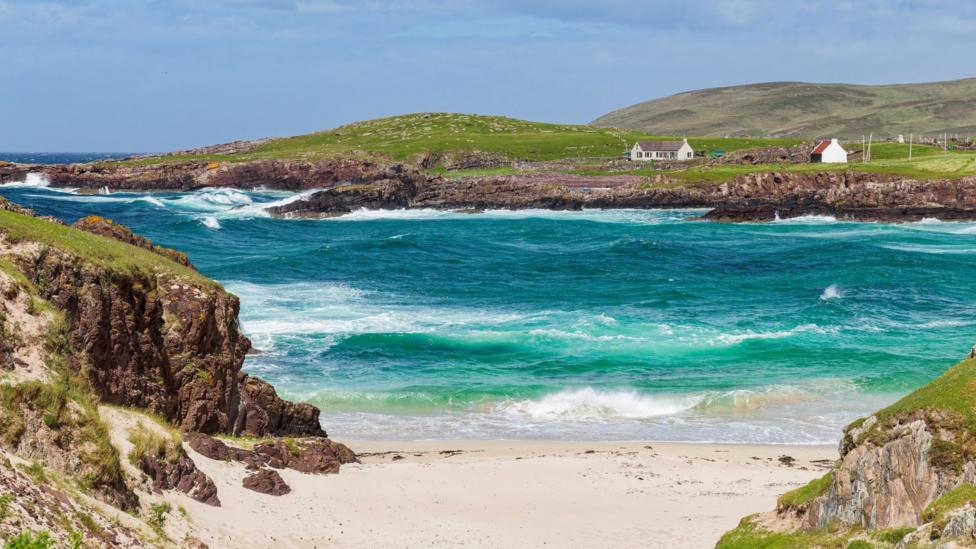
Clachtoll is a small crofting community on the Sutherland coast approximately 100 miles north of Inverness, situated along the North Coast 500 tourist route. The location's geological significance extends beyond its current research value: the rocks at Clachtoll were formed under conditions comparable to those that shaped ancient Martian landscapes, making the site invaluable for understanding planetary habitability.
Scotland's broader role in Mars exploration
This is not the first occasion Scotland's ancient geology has contributed to Martian research. A year earlier, researchers from the University of St Andrews tested technology intended for detecting evidence of Martian life at Lower Diabaig in Torridon, where rocks billions of years old resemble those found on Mars. Eight years ago, Nasa's Curiosity rover explored a Martian region named after Torridon, reflecting Nasa's practice of naming Martian geological features after Earth locations.
Several Martian sites bear Scottish names. Beyond Torridon, Mars features locations named Siccar Point, Muck, Wick, Sandwick and Holyrood. Nasa selected the name Torridon for a Martian region because the Torridonian Supergroup—a geological formation in the north-west Highlands—contains some of the oldest evidence of life preserved in any rocks in the United Kingdom. In 2012, the small Highland community of Glenelg held a celebration when Nasa named a Martian location after the village.
What happens next?
The collected samples will undergo extensive laboratory analysis to examine chemical and mineral traces in detail. Researchers plan to use findings from this examination to improve their interpretation of data gathered by Perseverance and to inform future rover investigations on Mars. The work will also contribute to preparations for possible analysis of Martian samples, should future missions successfully return material from the Red Planet to Earth for study.
Key Facts:
- Nasa scientists collected rock samples from the Stoer Formation near Clachtoll in Assynt this summer to help understand biosignatures detected by the Perseverance rover on Mars
- The Scottish rocks formed in environments similar to ancient Martian lakes and rivers and may preserve evidence of microbial life from 1.2 billion years ago
- The research team included scientists from Nasa's Goddard Instrument Field Team, Johnson Space Center, and universities including Glasgow, Cambridge, Maryland, Purdue and Stony Brook
- The team searched for reduction spots—grey-green features in red sandstone—using handheld instruments to analyse mineral and chemical composition
- Samples are now undergoing laboratory analysis to improve interpretation of Mars data and prepare for future rover investigations and possible Martian sample analysis