Lyrid Meteor Shower Viewing Conditions
With predominantly clear skies expected over the coming nights, there is a strong opportunity to observe the Lyrid meteor shower in the UK. Although the meteor shower has been active since 15 April, its peak is anticipated on Wednesday night.
Observers can expect to see approximately 10 to 15 meteors per hour, with occasional surges potentially increasing the count to as many as 100 meteors per hour.
The Lyrid meteor shower is an annual astronomical event caused by the Earth passing through dust particles left behind by Comet Thatcher.
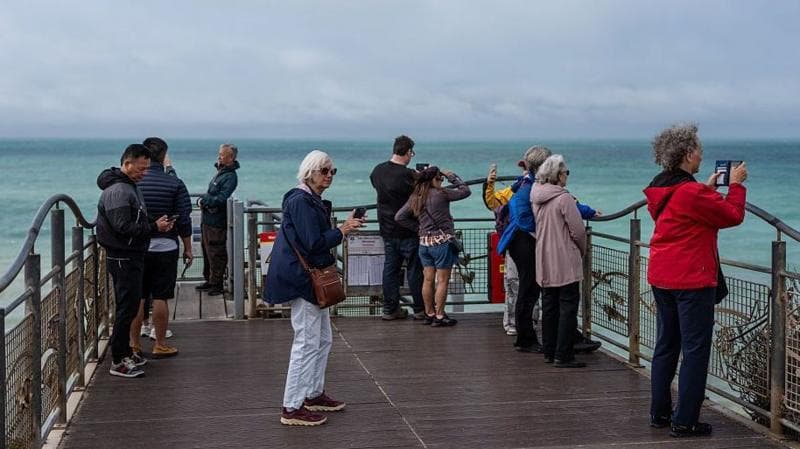
There will be clear skies in the forecast over the coming nights to see the Lyrid meteor shower
Weather Forecast and Viewing Times
High pressure systems will dominate the weather in the coming days, resulting in minimal cloud cover. According to the Royal Museums Greenwich, the Lyrid meteor shower reaches its maximum on 22 April. Since this date is two days before the First Quarter Moon, moonlight is not expected to cause significant light pollution.
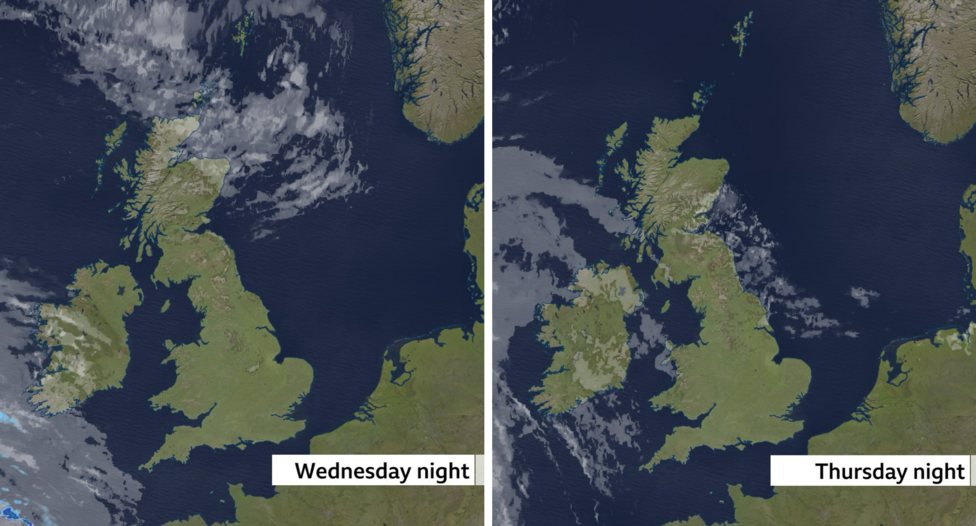
Wednesday night will begin with virtually clear skies across most regions of the UK. Northern Ireland may experience some cloud initially, but this is expected to clear later in the evening.
Despite the clear skies, temperatures will drop rapidly, leading to chilly conditions. The optimal time to observe the meteors is likely after 22:00 BST, once darkness is sufficient for most viewers.

Good viewing conditions are expected to continue into Thursday night, with widespread clear skies across the UK. However, during the early hours of Friday morning, increased cloud cover is forecast to move into eastern Scotland and the eastern parts of England.
Historical and Scientific Background
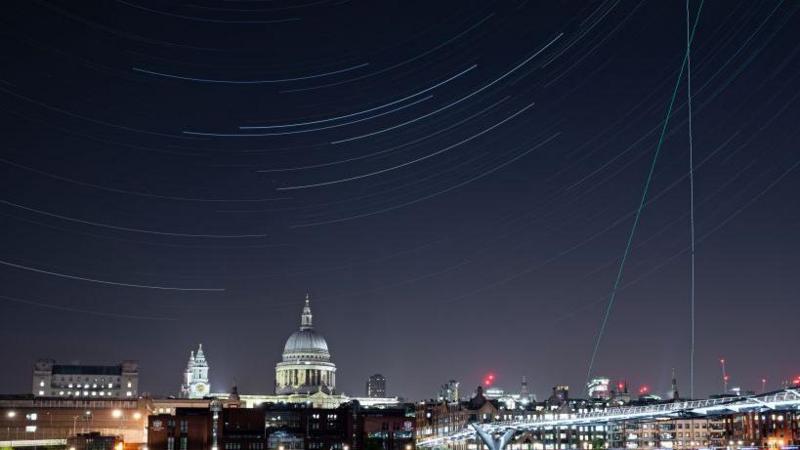
Multiple exposures were combined in this camera to capture the Lyrid meteor shower above London in 2020
The Lyrid meteor shower was first recorded nearly 3,000 years ago by Chinese astronomers. The meteors are named after the constellation Lyra, from which they appear to originate. The event occurs annually from 16 to 25 April, typically peaking around 22 April.
Distinctive characteristics of the Lyrids include their colors and brightness, as well as occasional exceptionally bright fireballs that can outshine the planet Venus.
The colors observed during the meteor shower are produced by very small dust particles, no larger than a grain of sand, interacting with particles and ions in Earth's atmosphere. As these grains heat up and ionize, they emit light visible to observers, with trails forming as the meteors cool and fade.
Fireballs occur when larger debris, roughly the size of a grape or an acorn, pass through the atmosphere. Due to their size, they heat up intensely, creating a bright flash and a visible line, often referred to as a train, behind them.
While the Lyrid meteor shower is an annual event, Comet Thatcher, the source of the debris, completes its orbit around the Sun every 415 years and will not be visible again until 2283.
Additional Information
- Celestial events to light up the spring night sky
- Why 2026 looks bright for Northern Light sightings