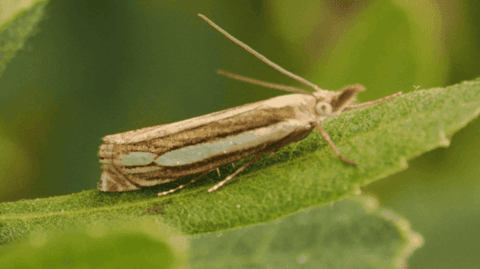
A rare species of moth has been recorded at a Welsh nature reserve, marking the first time the Bog Grass Moth has been found at the site. The discovery was made at Cors Geirch National Nature Reserve on the Llŷn Peninsula in Gwynedd during a species survey by conservationists, who described it as a "special surprise" to encounter this "incredibly sparse moth" in the habitat.
The Bog Grass Moth, identified by its scientific name Crambus silvella, is an exceptionally uncommon species across the UK. While an exact population figure remains unknown, the moth has only been recorded in a small number of English counties, including Dorset. Its discovery in north Wales represents a significant expansion of its known range.
During a single night of surveying, experts from the conservation project set up moth traps at Cors Geirch and collected 446 moths representing 91 different species. Among these, 19 were identified as Bog Grass Moths—a remarkable haul of a species so rarely encountered.
Why does this habitat matter for the moth?
The fen environment at Cors Geirch, an area of low, flat, wet land, provides the essential conditions this moth requires. Natural Resources Wales confirmed that the habitat supports the growth of wet sedges, which are the only food source for Bog Grass Moth larvae. Sedges, one of the largest plant families globally, thrive in waterlogged conditions and are crucial to the survival of specialist invertebrates that depend on them.
Cors Geirch is designated for its nationally important valley mire communities, and its notable wildlife includes the ground beetle Chlaenius tristis, recorded there as its only known site in Britain. The fen is monitored by Natur am Byth's Llŷn and Ynys Môn project, a partnership of nine environmental charities and Natural Resources Wales set up to take action for endangered species and connect communities with nature.
What other rare species were found?
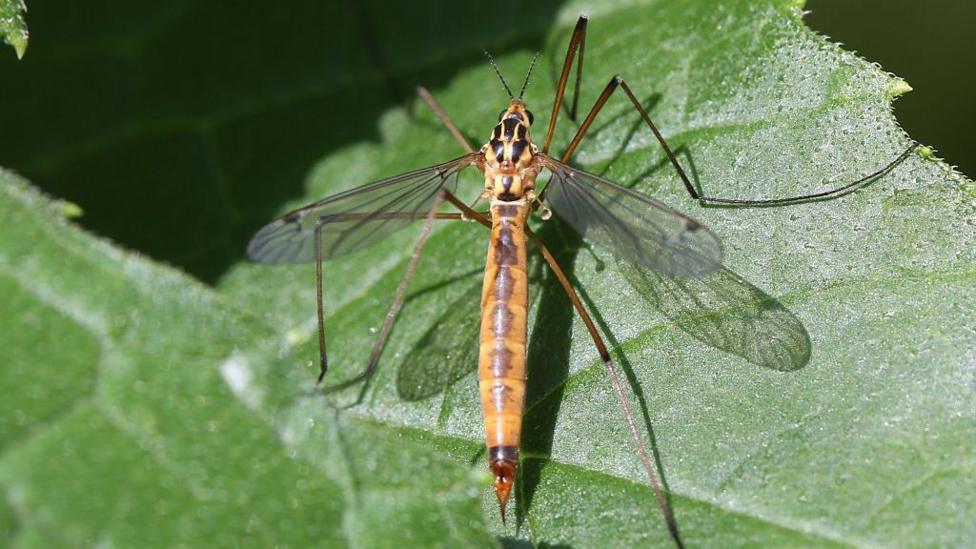
The Bog Grass Moth was not the only remarkable discovery at the reserve. Other rare invertebrates recorded during the survey included the Six Spotted Crane Fly and the Black Nightrunner Ground Beetle, both of which represent important finds for the region's biodiversity records.
Steve Palin and Charles Aron, both lepidopterists who specialise in the study of moths, highlighted the unpredictability of moth surveying work.
It's a significant addition to our knowledge of the region's winged insects and demonstrates the value of targeted moth recordings in these specialist fen habitats, where there is clearly still much to discover, they said in a statement. They also noted that the appeal of trapping moths was
you just never know what's going to turn up.
Why is wetland conservation critical?
Clare Sampson, a project manager for RSPB Cymru, emphasised the importance of the conservation work undertaken at the site. She explained that staff, contractors and volunteers had helped to restore and maintain the wetland, which now serves as
home to these rare invertebrate species. She added that while many fens suffered during the hot, dry summer conditions, Cors Geirch supported healthy populations of both the Black Nightrunner Ground Beetle and Six Spotted Crane Fly alongside the newly discovered Bog Grass Moth.
The broader context for this discovery is stark: approximately 80% of UK peatlands have been lost or damaged, leaving rare species that depend on specific habitats struggling to survive. Healthy peat represents the country's biggest carbon store, but when damaged it releases planet-warming greenhouse gases into the atmosphere. Peat forms over thousands of years from partially decayed plants in waterlogged conditions, making its loss particularly significant both for biodiversity and climate regulation.
Sampson stressed that
these important fen sites can be managed and maintained so that future generations can continue to make new discoveries, underscoring the value of ongoing conservation efforts at reserves like Cors Geirch.
Key Facts
- The Bog Grass Moth (Crambus silvella) was recorded at Cors Geirch for the first time, with 19 individuals captured in a single night of surveying
- The moth's larvae depend exclusively on wet sedges for food, making specialist fen habitats essential to its survival
- A single night of moth trapping at the reserve yielded 446 moths of 91 different species, demonstrating the site's ecological richness
- Approximately 80% of UK peatlands have been lost or damaged, threatening the survival of species dependent on these habitats
- The discovery was made during monitoring by Natur am Byth's Llŷn and Ynys Môn project, which works to protect north Wales' most at-risk species