As autumn progresses through the northern hemisphere, the lengthening nights create ideal conditions for stargazing. A succession of celestial events—from prominent star clusters to meteor showers and planetary alignments—will reward anyone who ventures outside to observe the night sky over the coming months.
The autumn skywatching season opens with the Pleiades star cluster and builds through late October and November with multiple meteor showers, a rare planetary gathering, and a particularly luminous full moon.
What makes the Pleiades special?
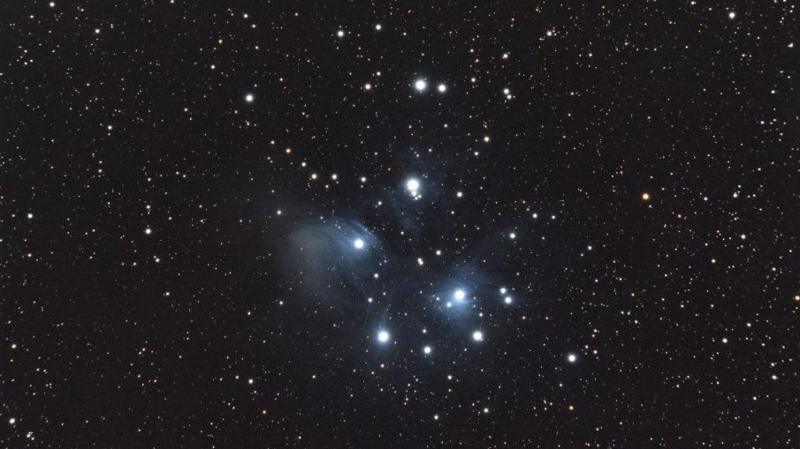
Among the most recognisable star clusters visible to the naked eye, the Pleiades becomes increasingly prominent as autumn nights lengthen. This cluster of young stars lies approximately 440 light years from Earth and is also known as the Seven Sisters or Messier 45 (M45).
While the cluster's traditional name suggests seven stars, most observers can distinguish around six stars without optical aid. Binoculars or a telescope reveal many additional stars within the group. According to astronomical guides, the Pleiades are best positioned for evening viewing in the Northern Hemisphere from roughly October through March.
To locate the Pleiades, look eastward during autumn evenings toward the constellation Taurus, where the cluster will be clearly visible.
When does the Orionid meteor shower peak?
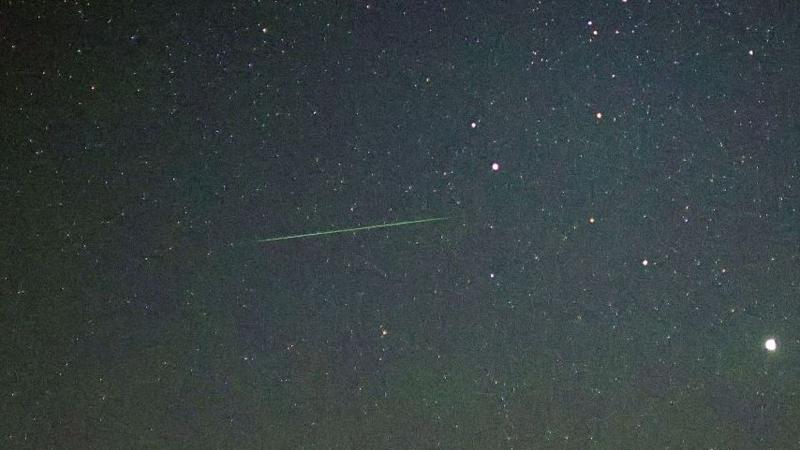
The Orionid meteor shower reaches its maximum intensity around 21 October, though it remains active from early October into November. According to NASA's meteor shower calendar, the Orionids are active from 2 October to 7 November 2026, with an estimated peak rate of about 20 meteors per hour.
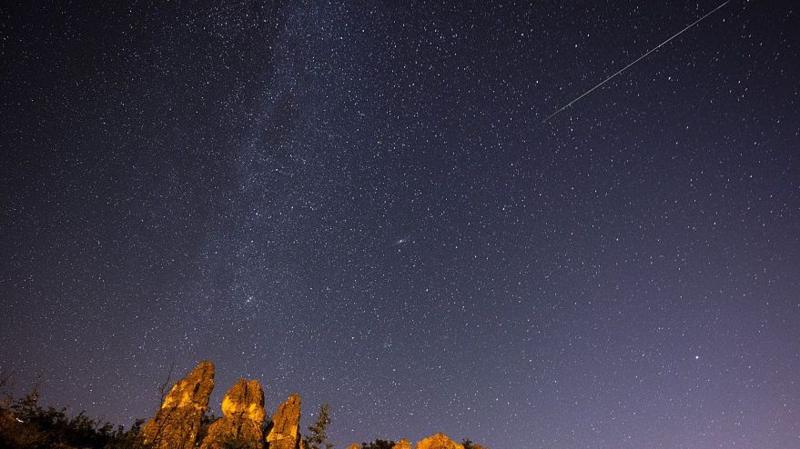
This meteor shower originates from debris left by Halley's Comet. Twice annually, Earth passes through trails of dust and cosmic particles shed by this famous comet. As these tiny fragments enter Earth's atmosphere at extreme velocity, friction causes them to heat up and produce the luminous streaks recognised as meteors.
The meteors appear to radiate from the constellation Orion, which gives the shower its distinctive name. For optimal viewing, locate a dark site away from artificial lighting and allow several minutes for your eyes to adjust to the darkness.
Which planets will align in November?
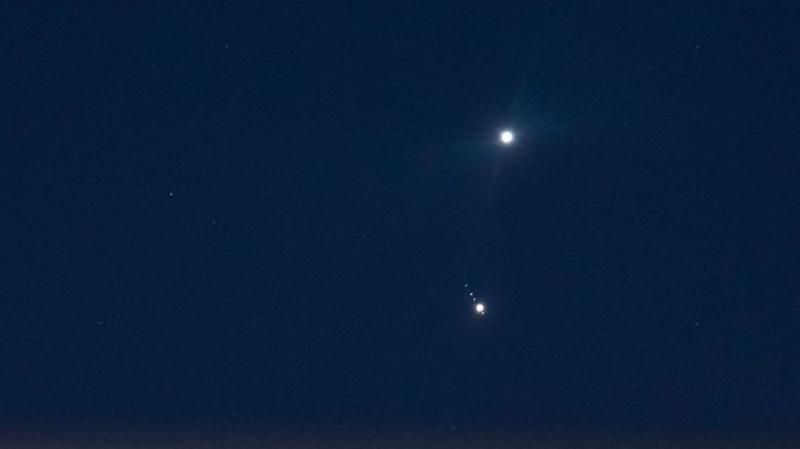
Early risers on or around 14 November will have the opportunity to observe a rare planetary parade. Mercury, Venus, Mars and Jupiter will all be positioned above the horizon before sunrise, though their visibility will vary considerably.

Mercury presents the greatest observational challenge, remaining low in the sky and positioned dangerously close to the glare of the rising sun. Venus and Jupiter, by contrast, rank among the brightest objects in the night sky and should be relatively straightforward to identify even from moderately light-polluted locations.
How fast are the Leonid meteors?
The Leonid meteor shower arrives later in November, with its peak expected around 17 November. According to the International Meteor Organization, the Leonids are active from 6 to 30 November 2026, with an estimated peak rate of around 15 meteors per hour.
These meteors travel at approximately 70 kilometres per second as they penetrate Earth's atmosphere, making them among the fastest meteors visible from the planet's surface. Under ideal conditions with minimal light pollution and a dark moon, observers may witness between 10 and 15 Leonids per hour at the shower's peak, though actual numbers depend on weather conditions, local light pollution and lunar brightness.
The meteors take their name from the constellation Leo, from which they appear to originate. Viewing is typically most rewarding after midnight and before dawn, when Leo reaches a higher position in the sky. No optical equipment is required—patient observation with the naked eye is sufficient.
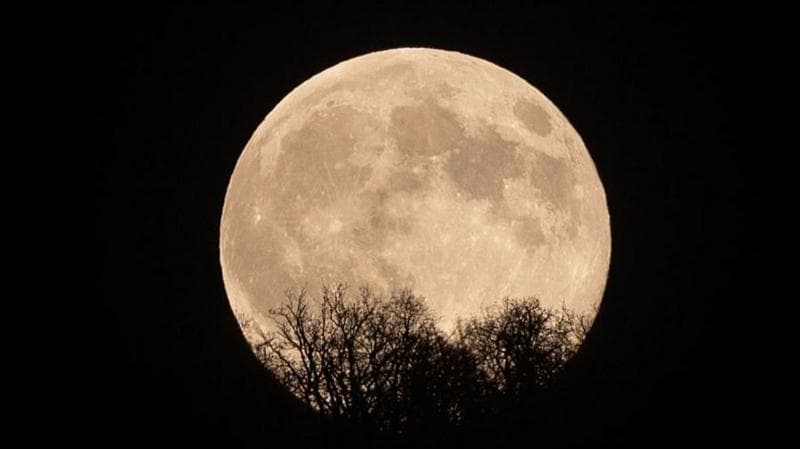
Why is November's full moon called the Beaver Moon?
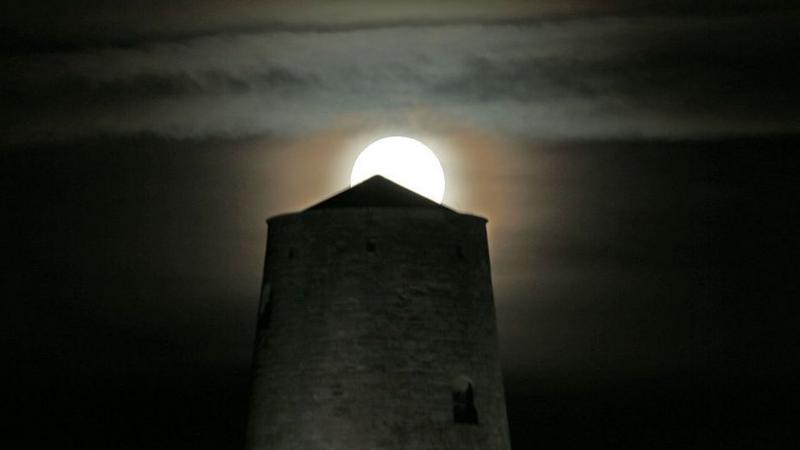
November's full moon carries the traditional name Beaver Moon, a designation believed to derive from the season when beavers become particularly active, constructing and reinforcing their lodges while accumulating food stores for the approaching winter months.
This November full moon will also qualify as a supermoon, reaching its full phase on 24 November. A supermoon occurs when a full moon reaches its closest approach to Earth in its orbit, causing it to appear noticeably larger and brighter than average full moons. The November supermoon marks the beginning of an extended sequence—the first of four consecutive full moons classified as supermoons, continuing through to February 2027.
According to updated night-sky forecasts, the next UK supermoon following this November event will be the Beaver Moon on 24 November 2026.
What should I do before heading out to observe?
Before embarking on an autumn skywatching session, check local weather forecasts to identify clear nights. Cloud cover will significantly impact visibility of all these celestial events. Plan viewing sessions during the predicted peak dates and times for the best chance of success, and allow adequate time for your eyes to adjust to darkness—typically 20 to 30 minutes in a location away from artificial light sources.
Key Facts:
- The Pleiades star cluster becomes increasingly visible from October through March in the Northern Hemisphere
- The Orionid meteor shower peaks around 21 October with rates reaching approximately 20 meteors per hour
- A planetary parade featuring Mercury, Venus, Mars and Jupiter will be visible before sunrise on 14 November
- The Leonid meteor shower peaks around 17 November with rates around 15 meteors per hour
- November's Beaver Moon on 24 November will be a supermoon, the first of four consecutive supermoons through February 2027