A fresh surge of landslides and torrential rain has claimed approximately 30 lives across Nepal, compounding the nation's disaster recovery following August's catastrophic flooding that killed around 1,400 people and left thousands unaccounted for.
Nepal's national disaster management authority reported that more than 1,900 families have been displaced since late the previous week, with over 240 homes destroyed. Infrastructure damage has been extensive, with roads, buildings and bridges swept away across multiple districts. According to official reports, the authority documented 21 deaths, five missing persons and five injured following four days of rain, floods and landslides, with approximately 3,000 residents evacuated from high-risk zones.
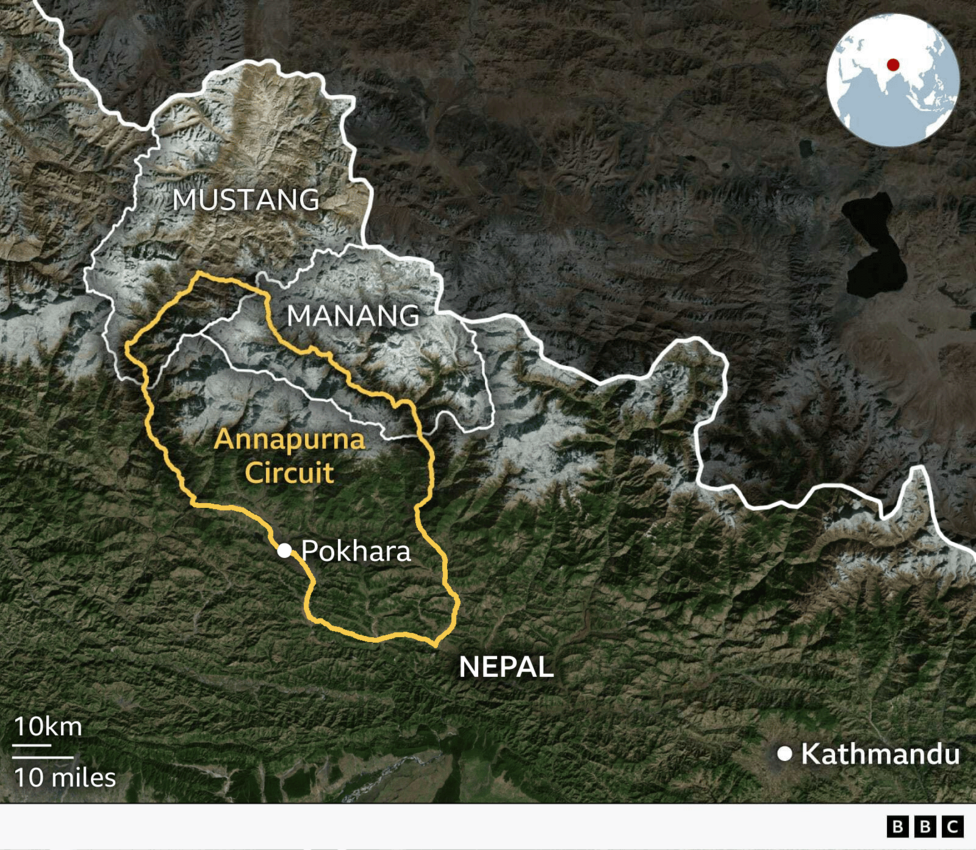
The Annapurna Circuit, one of the world's most popular trekking routes and a vital source of income for Nepal's tourism sector, has been severely disrupted. Hundreds of trekkers have been forced to abandon their journeys, with many airlifted by helicopter from the districts of Manang and Mustang. The circuit typically requires up to three weeks to complete.
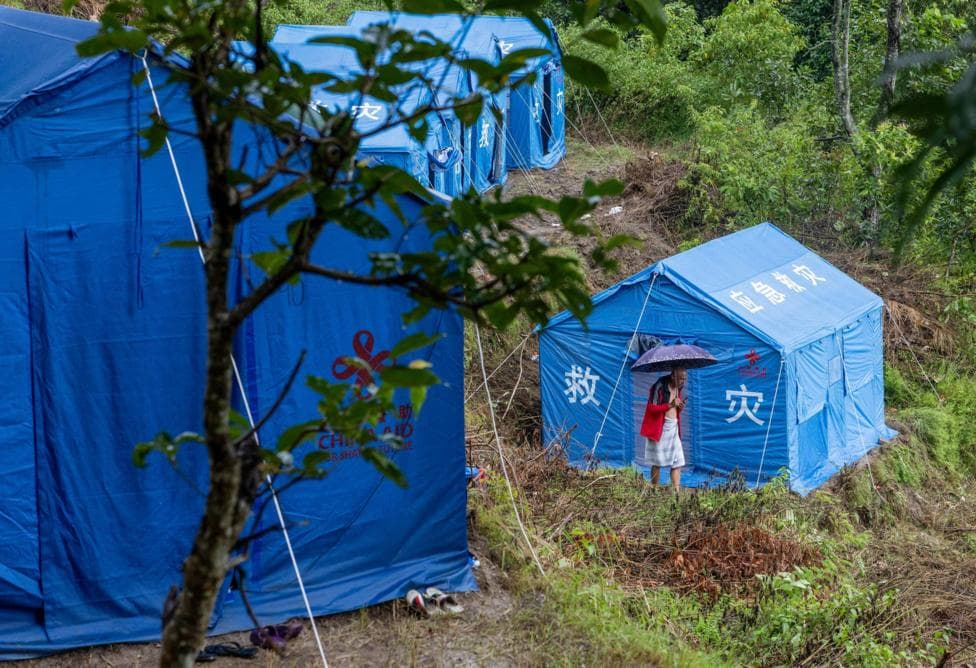
Residents in affected communities are grieving significant losses. Speaking from a temporary blue tent in Battar, a settlement north-west of Kathmandu, Buti Tamang described the devastation:
We used to live in a hut, but now there is nothing. We have lost so many of our relatives.Ramesh Ghale, who also fled his home, added:
Now it is raining and the tent leaks, so we've been facing a difficult situation. We have nowhere to go.
Many displaced Nepalis are sheltering in emergency tents as extreme weather continues to strike the region.
How are trekkers managing the descent?
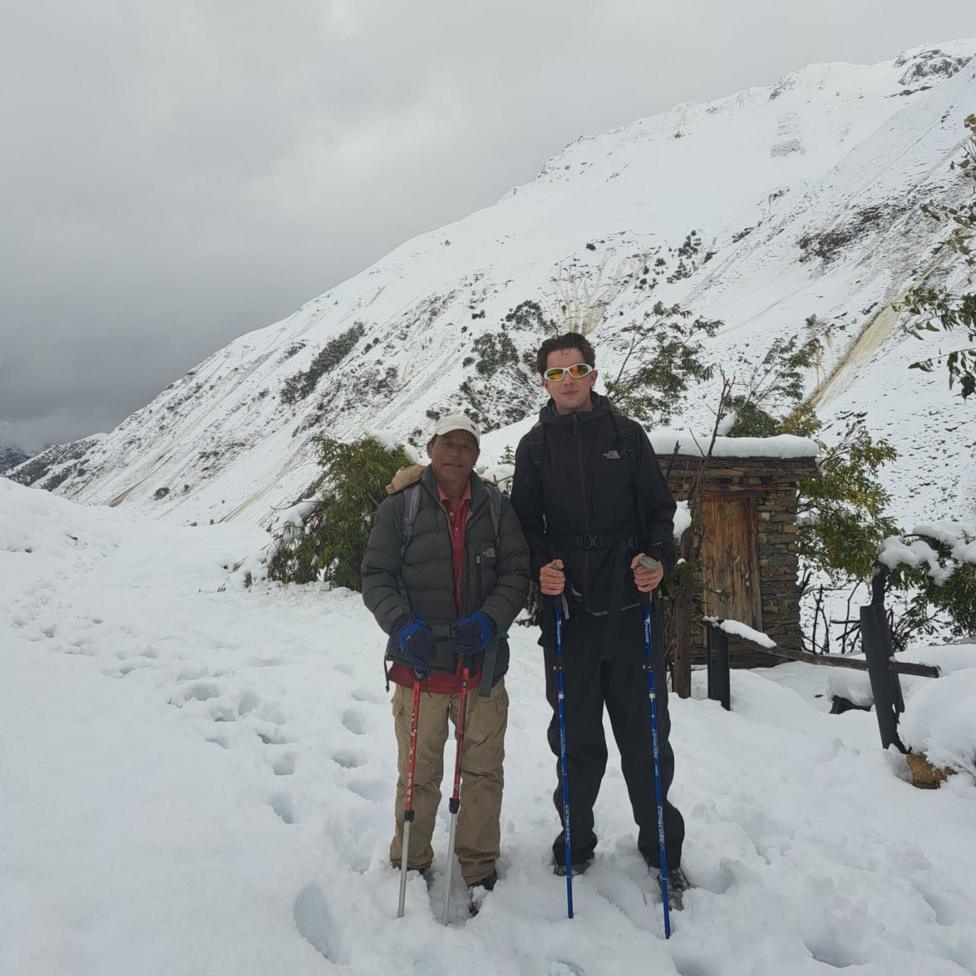
Trekkers and their guides have endured perilous journeys down the mountains, with some taking three to four days to navigate collapsed roads and destroyed bridges. Jake Stacy, a 21-year-old from Suffolk, became stranded with his guide in Yak Kharka in upper Manang due to heavy snowfall in late September. Rather than continue to Thorang La, the circuit's highest point, he and his guide forged alternative routes across the mountainside.
We made our own paths on mountain slopes. It was quite steep and we were clambering because there was river below… It was very muddy and very wet.He returned to base camp in Pokhara on Tuesday night, noting that
Many trekkers were helicoptered out.
Australian trekker Andrew Graham and his guide Prem KC navigated more than 15 landslides after deciding to descend from Manang village.
A few of them were quite dangerous, the residual risks have grown now,Graham reported. The pair became trapped in the village of Chame, which had been evacuated due to landslide risk, and spent a night in the jungle before continuing.
A massive landslide has partially obstructed a river flowing through Chame, creating a temporary lake that has flooded houses and a critical bridge. Authorities have spent three days attempting to release the water using excavators with limited success, according to local residents.
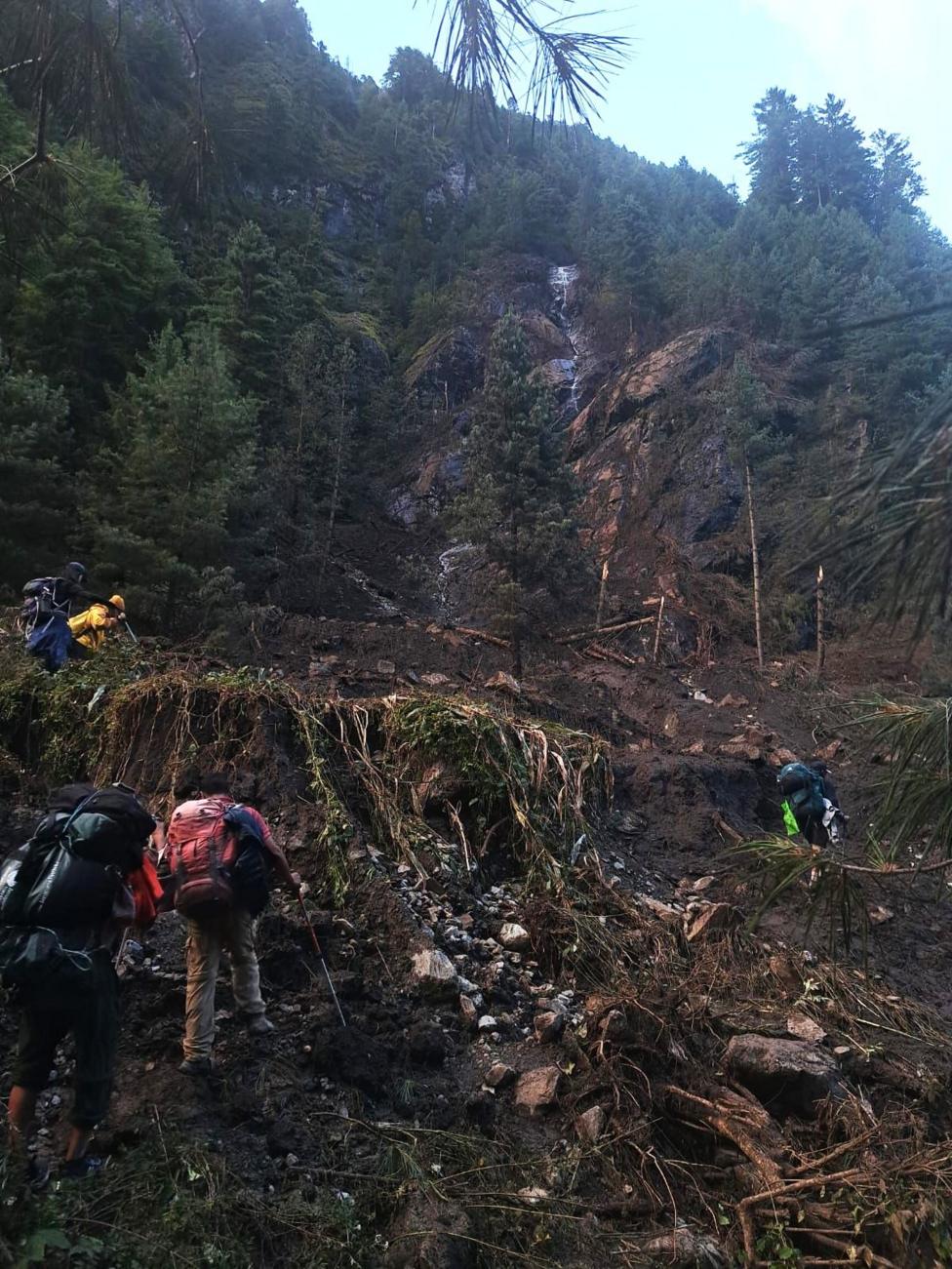
Trekking guide Tse Ring Doma reported crossing 28 landslides with her group. She described the psychological toll as more demanding than the physical exertion, particularly given the trauma of August's disaster:
Even thunder would make us run and come out to see if anything was coming our way.Her client, Norwegian visitor Ellen Wahlström, acknowledged that foreign trekkers faced relatively minor losses compared to local residents risking their homes and land. She noted that authorities had been clearing many landslides
surprisingly fast.
What is the current status of the trekking route?
According to the Annapurna Conservation Area Project, approximately 700 trekkers remain in Pokhara awaiting permission to begin the circuit. A representative of the authority stated:
We have been holding back all these people who want to go to the Annapurna Circuit trek, although we are under pressure from the trekking industry to announce the route open.As of 30 September, the Thorong Pass and Tilicho trekking routes in Manang were closed until further notice, with no reopening date announced.
Road damage in Manang has been severe, with several bridges destroyed and communications severed in some areas. However, the chief district officer Mukti Prasad Khanal confirmed that no deaths had occurred within the trekking region itself. Flooding and erosion from the Marsyangdi River have washed away sections of road along the Annapurna Circuit, leaving some travelers without road access for return journeys.
Most traditional trekking trails on the Annapurna Circuit had fallen into disuse in recent years following road construction, except in small pockets of Manang and Mustang. However, many trekkers are now relying on these abandoned paths as main roads have been destroyed in several circuit sections.
Indian pilgrims visiting the ancient Muktinath temple have been redirected to fly from Jomson to Pokhara rather than drive, due to road closures.
What happened at Himlung Himal?
An avalanche near the base of Himlung Peak, situated close to the border with Tibet, has resulted in multiple casualties. Four bodies have been recovered and 12 people remain missing from the incident. According to reports from 30 September, search operations for those missing after the Himlung Himal avalanche were ongoing.
What is the broader impact on Nepal?
The disaster authority has warned of potential flash floods across 49 of Nepal's 77 districts as river levels continue to rise. Power supply has been completely disrupted in Manang, Mustang, Myagdi and Baglung districts, with officials working to restore electricity to affected areas.
The National Trust for Nature Conservation had suspended entry permits to the Annapurna and Manaslu conservation areas from 24 to 26 September due to heavy rainfall.
On 30 September, officials reported that hundreds of tourists remained stranded in Manang, with 146 having already returned. Helicopter evacuations were being arranged for individuals with medical or visa-related requirements.
What happens next?
The Thorong Pass and Tilicho routes remain closed indefinitely with no reopening date confirmed. Search and rescue operations for those missing following the Himlung Himal avalanche continue as of 30 September. The trekking authority is managing the backlog of approximately 700 waiting trekkers while balancing industry pressure to reopen the circuit against ongoing safety concerns.