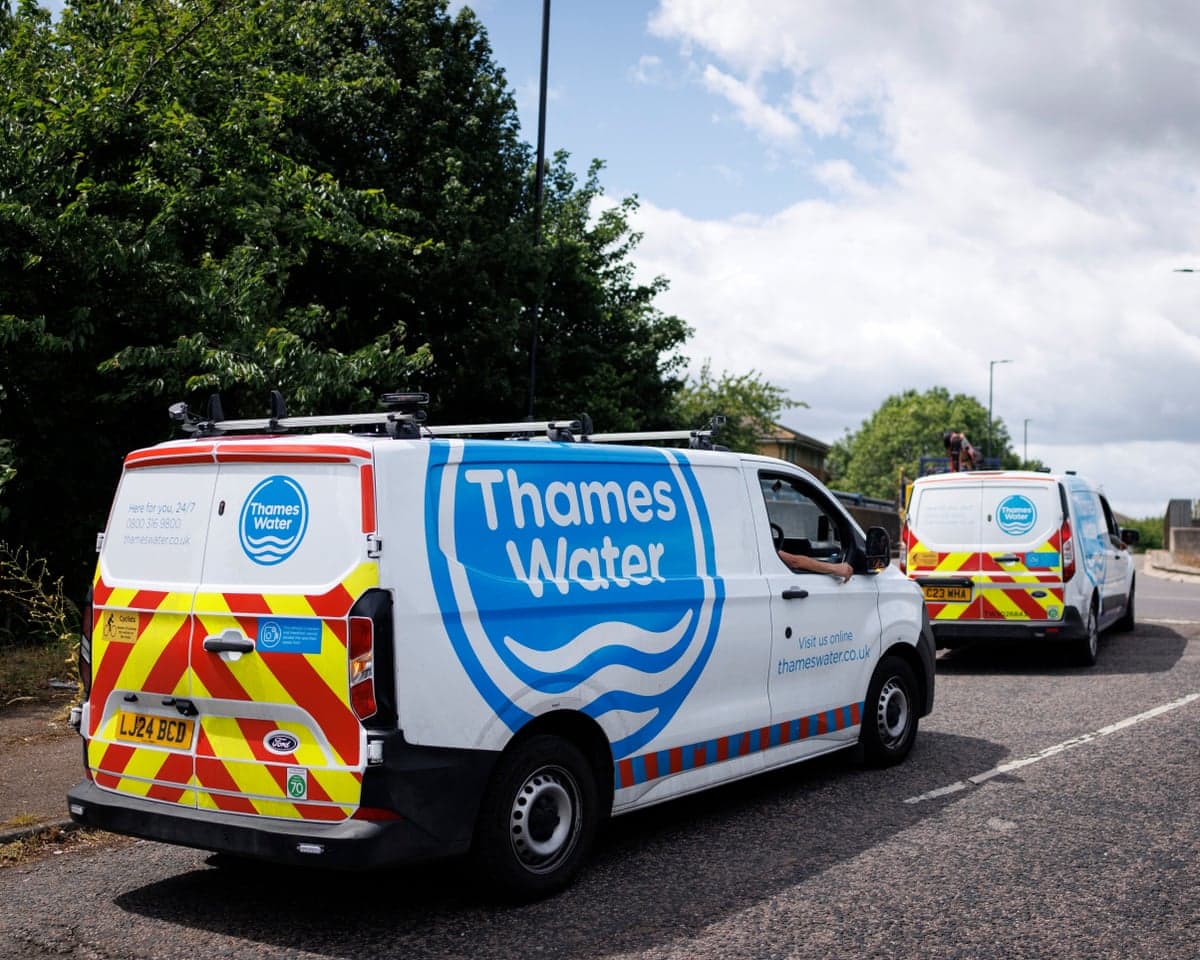
Thames Water occupied a prominent position on what was known as the "crisis grid" – an internal Labour dossier compiled by Keir Starmer's first chief of staff, Sue Gray, cataloguing potential emergencies that could force the incoming administration to make rapid decisions. That assessment was made in July 2024. More than two years have now passed, yet the situation at Thames Water remains fundamentally unresolved. The over-indebted, under-performing utility continues to teeter on the brink, with stakeholders still debating whether a creditor-led recapitalisation, special administration, or some alternative approach will determine its future.
The company's immediate survival depends on securing additional emergency funding. According to , Thames Water has requested a £2.4 billion increase to its emergency funding facility, raising it from £3 billion to £5.4 billion to sustain operations into autumn 2027. The utility has already drawn £2.65 billion of its existing facility and faces the prospect of exhausting its cash reserves by the end of 2026 or early 2027, before any recapitalisation is completed. Creditors are scheduled to vote on these facility changes by 29 October.
Meanwhile, the broader overhaul of England and Wales's water sector – which should have been the government's priority – has stalled. In 2024, the administration commissioned Sir Jon Cunliffe, a former deputy governor of the Bank of England, to conduct a comprehensive review of sector reform. His report, delivered in summer 2025, proposed abolishing Ofwat, the existing regulator, and replacing it with a new super-regulator with expanded powers. Steve Reed, the environment secretary at that time, endorsed Cunliffe's recommendations and committed to introducing them via a new water bill.
That legislative momentum has evaporated. The bill, expected to arrive in autumn 2025, was delayed following the change of prime minister. Prime Minister Andy Burnham has pledged a "strengthened" version that would incorporate elements of "greater public control" – a phrase whose precise meaning remains undefined. The government has previously explored overhauling insolvency law to facilitate public takeover of Thames Water and other utilities, though the scope and timing of such changes remain unclear.
The regulatory limbo is creating tangible consequences. Ofwat continues to operate under its existing mandate, with nobody yet knowing which functions of the Environment Agency will transfer to the proposed new body, or what formal independence it will enjoy. Will it possess the statutory autonomy that Ofwat currently holds, or will it operate under tighter ministerial direction? These questions matter because they shape how companies can plan investment and borrowing.
Credit rating agencies have registered their alarm. On Thursday, Moody's released a report observing that regulatory changes "appear to have stalled", that "political scrutiny is heightened and may cause further delay", and that the "potential increase in business risk will require stronger financial ratios to maintain credit quality". Notably, Moody's did not downgrade its overall assessment of UK water regulation's "stability and predictability" – a step it took in late 2024 – but it came close. One of its presentation slides warned: "Our score could fall further." This matters because rating agencies influence the cost at which companies borrow, which ultimately flows through to customer bills.
Thames Water's operational performance continues to draw regulatory scrutiny. According to Ofwat's draft performance penalties, the company would be required to return £46 million to customers through lower bills from April 2027, reflecting its failure to meet service standards. Ofwat's final decision on these adjustments is due by 15 December, with changes taking effect on 1 April 2027.
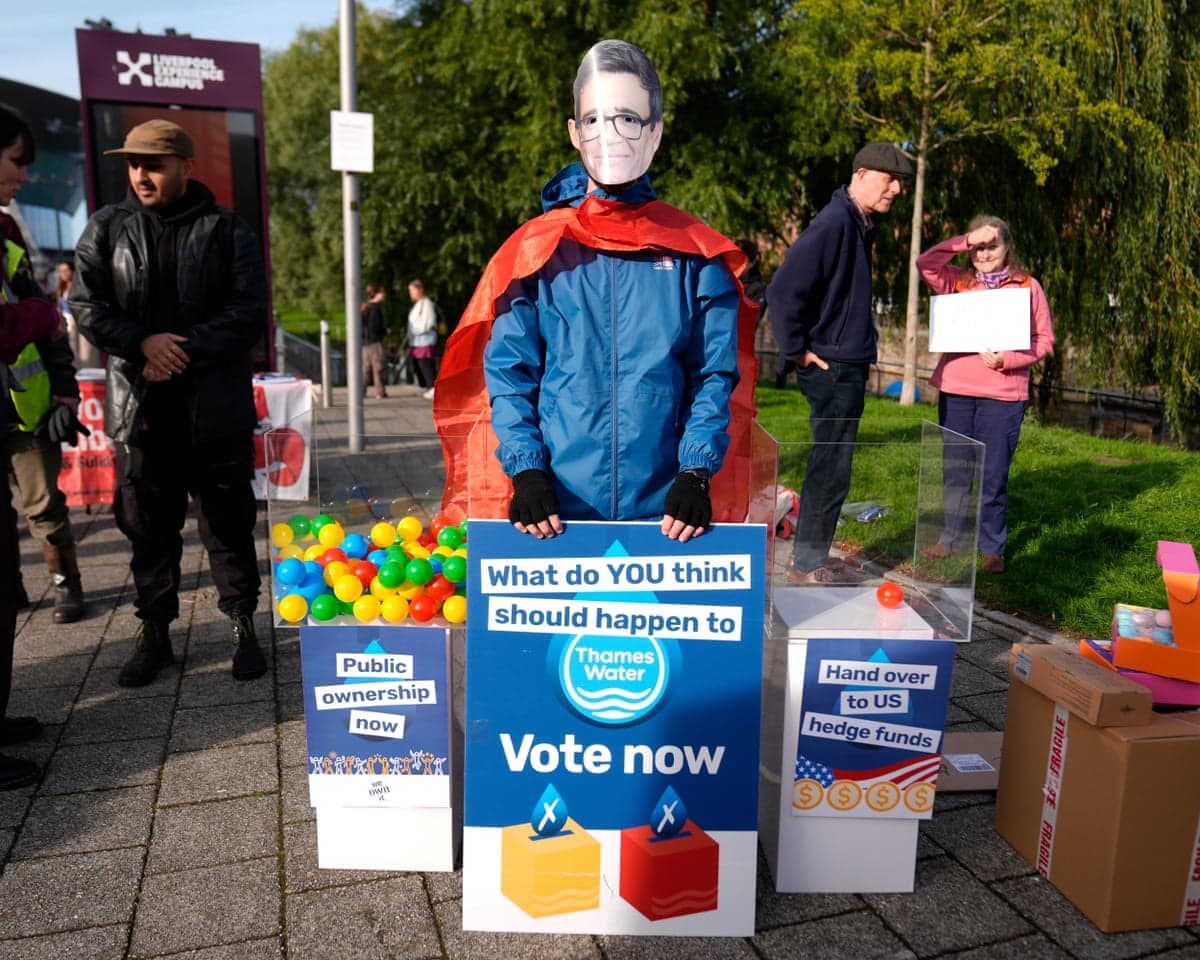
The government's position on Thames Water's future ownership has shifted over time. In June 2026, the government rejected a £10 billion rescue plan, citing concerns about consumer burden, effectively moving the utility closer to nationalisation. More recently, cross-party MPs have demanded the government abandon negotiations with US hedge funds controlling Thames Water and pursue emergency legislation for public takeover. The senior creditors, meanwhile, are pursuing their own rescue plan through a consortium called London & Valley Water, which named proposed directors in August to oversee a decade-long operational overhaul if approved.
What does "public control" actually mean?
The central ambiguity now blocking progress is the prime minister's commitment to "greater public control" of the water sector. This phrase could mean the Cunliffe-compliant approach of expanding the powers of mayors and local authorities to influence regulation and investment. Alternatively, it could signal more fundamental changes to match the rhetoric deployed during summer 2026, potentially including direct public ownership or management. The government has not clarified which interpretation it intends, and this uncertainty is itself becoming costly.
What happens next?
Emma Hardy, the water minister, indicated at a recent conference that a formal transition plan for the new regulator is forthcoming. However, a transition plan is not the same as an actual water bill, which would reveal whether the rest of Cunliffe's proposals have survived intact. Creditors will vote by 29 October on Thames Water's funding requests, including permission for a further £350 million draw and an extension of conditions for another £350 million draw to 30 November. Ofwat will issue its final decision on performance-related bill adjustments by 15 December.
The government should act decisively on both fronts. While it is entirely legitimate for an incoming prime minister to review inherited legislative proposals, the "public control" question – if that is what is delaying everything – must be resolved quickly. The continued uncertainty is influencing credit markets, regulatory planning, and investor confidence. Prolonging the ambiguity risks making the eventual solution more expensive and complex than it needs to be. Equally, a decision on Thames Water's future structure cannot wait indefinitely. Nearly two years have elapsed since the company was identified as an urgent crisis requiring rapid intervention. Allowing half a parliament to pass before resolving a supposedly pressing 2024 problem represents an unacceptable delay.