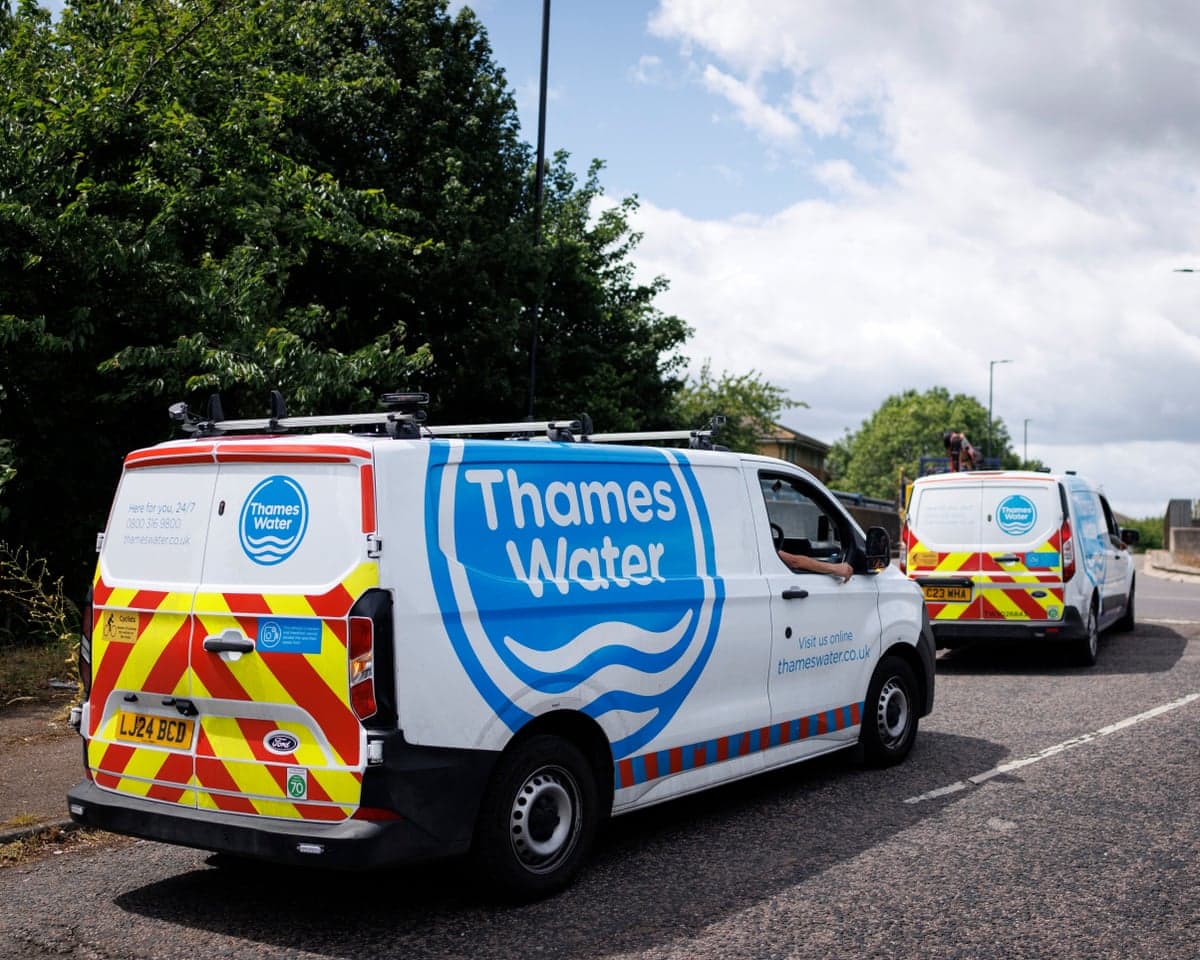
Thames Water, the UK's largest water utility serving 16 million customers across London and the Thames valley, has requested an additional £2.4bn from its creditors to prevent insolvency before it can finalise a long-term refinancing agreement. The company disclosed on Thursday that without this short-term injection, it would exhaust its cash reserves by the end of 2026 or early 2027, making it impossible to complete its recapitalisation process within that timeframe.
The water company has already drawn down £2.65bn of a £3bn emergency lifeline provided by creditors, leaving it dangerously exposed as it continues funding expensive infrastructure repairs and environmental upgrades. According to investment news sources, the proposed £2.4bn increase would be structured through a new subsidiary, Thames Water Super Senior Upsize Issuer PLC, with additional loans and bonds ranking at the same level as existing super-senior debt.
Thames Water has been teetering on the edge of collapse for years, having accumulated a debt burden of approximately £20bn. Its original shareholders abandoned the company, leaving it under effective creditor control while negotiations proceed on a restructuring deal designed to reduce debt and inject fresh capital. The creditor consortium, known as London & Valley Water, named proposed directors in August to oversee a decade-long overhaul if its rescue plan receives approval.
The creditors are predominantly American hedge funds including Elliott Management and Silver Point Capital, alongside major institutional investors such as BlackRock and M&G. These parties have developed a detailed rescue proposal involving the write-off of £4bn in loans, though the plan requires water bill increases to remain frozen for several years—a condition that has proven politically contentious for the Labour government.
Why is the government hesitant about the rescue plan?
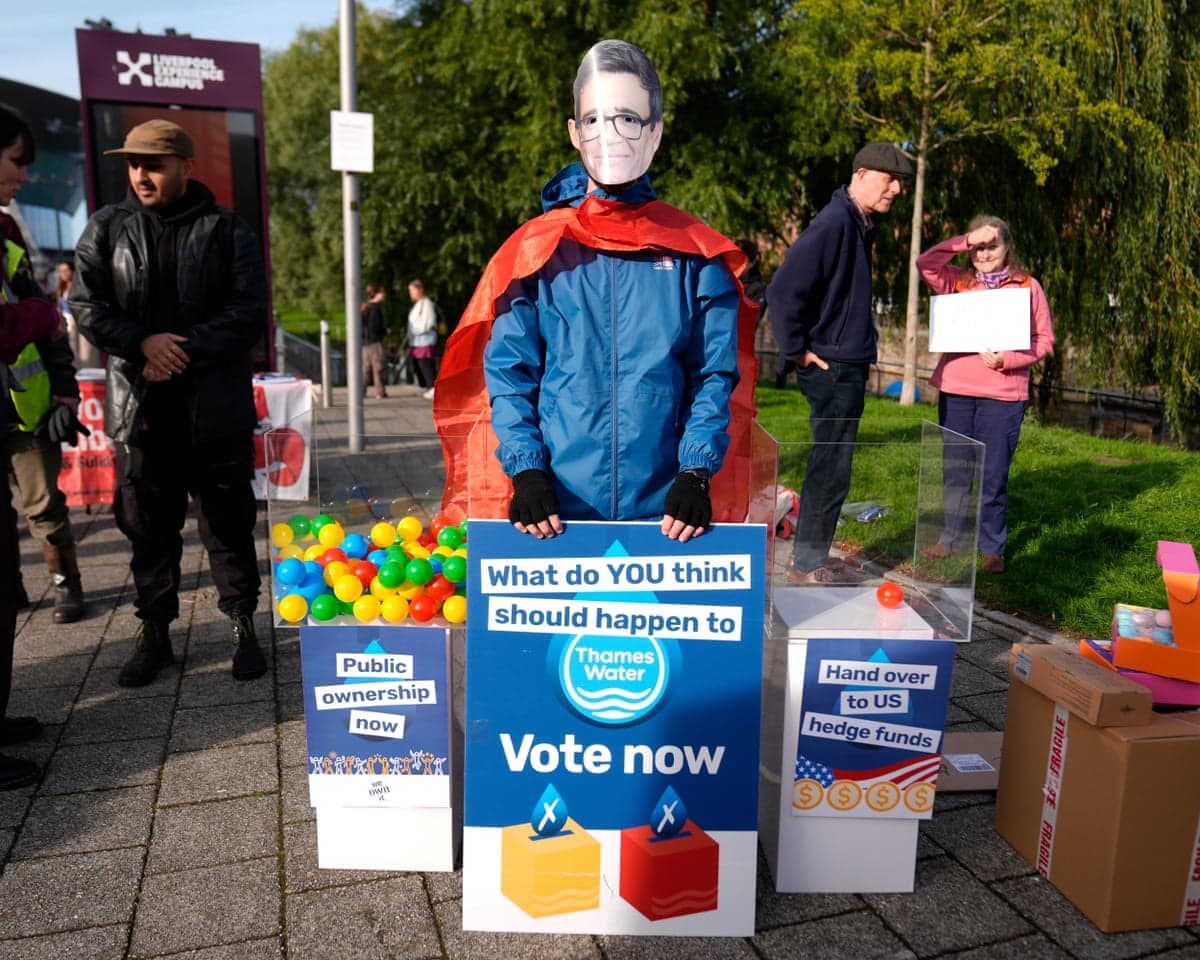
The proposed freeze on customer bills has created friction with the current administration. Some Labour politicians and environmental campaigners have advocated for placing Thames Water into special administration, a temporary government control mechanism while a replacement operator is sought. Environment Secretary Andy Burnham has previously pledged greater public control of the UK's water industry and indicated that public ownership could be an option for Thames Water.
The change in prime minister has also introduced regulatory uncertainty across the broader water sector. The previous government had committed to implementing recommendations from Sir John Cunliffe, the former Bank of England deputy governor, regarding systemic water industry changes. The current administration has not yet clarified its position on these proposals.
How will the additional funding be released?
The proposed £2.4bn increase would be provided in tranches over the coming months, with any drawdown remaining subject to creditor consent and relevant conditions being met or waived. This staged approach reflects the creditors' desire to maintain oversight as negotiations continue.
Thames Water stated that the additional funding would
extend […] liquidity into autumn 2027 and allow [it] to continue to deliver its capital programme and deliver improvements for customers and the environment.
What happens next?
Creditors are scheduled to vote by 29 October on the 16th consent requests related to the funding arrangement. Approval would extend a funding condition to 30 November and could permit a further £350m drawdown in November, according to investment sources tracking the situation. The company continues to work with stakeholders to secure what it describes as a market-led solution.
The broader context remains one of financial fragility. Thames Water said it
continues to work closely with stakeholders to secure a market-led solution, even as the creditor vote looms and political pressure mounts for alternative approaches to the company's future.
Key Facts
- Thames Water serves 16 million customers in London and the Thames valley and carries a debt burden of approximately £20bn
- The company has already drawn £2.65bn of a £3bn emergency creditor facility and faces insolvency by late 2026 or early 2027 without additional funding
- The creditor rescue plan involves writing off £4bn in loans but requires a multi-year freeze on customer bills, which has faced political opposition
- Creditors are due to vote by 29 October on consent requests that could unlock staged funding tranches extending liquidity into autumn 2027
- The change in government has created uncertainty about regulatory direction for the water industry and the future of Thames Water specifically