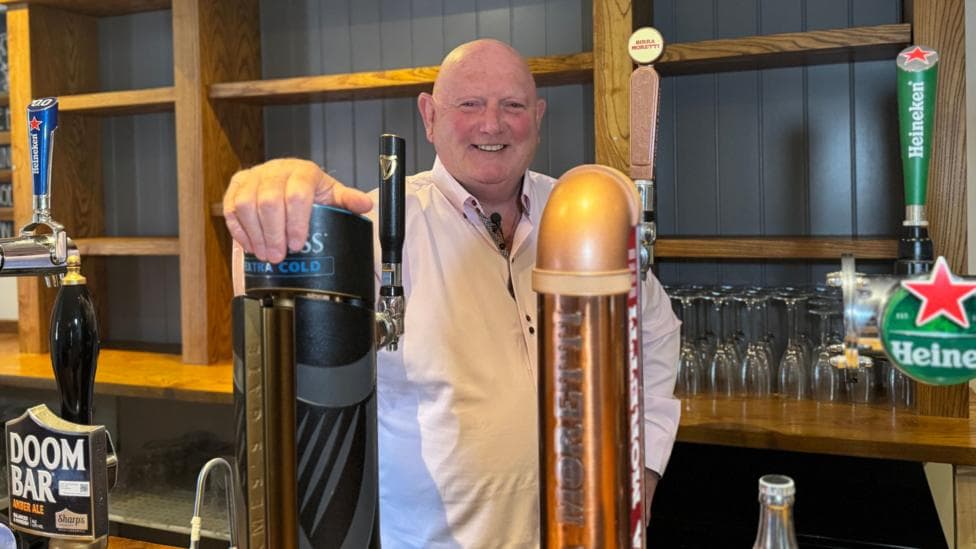
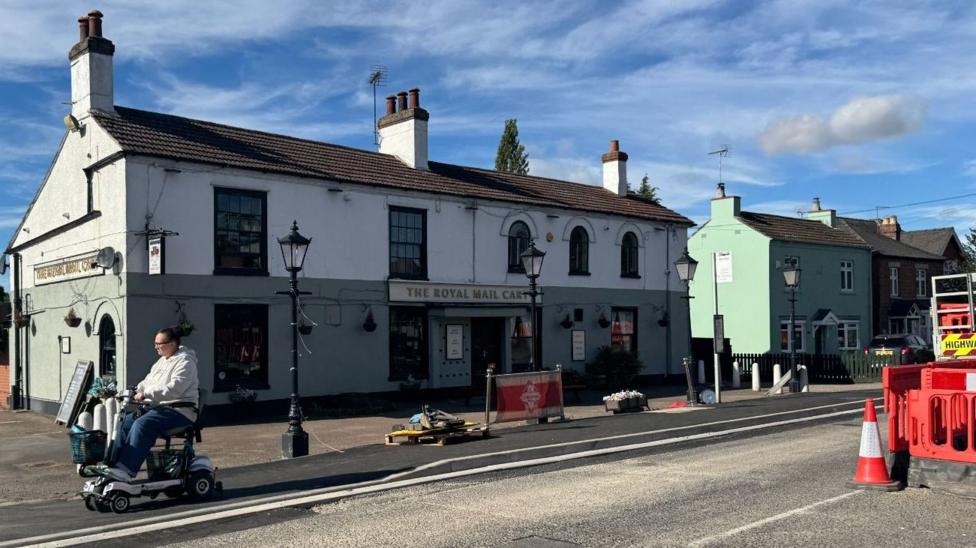
Patrick Hughes, 66, has ended his tenancy at The Royal Mail Cart in Spalding after just over a year, citing a combination of changing consumer habits, rising operational costs and disruption from roadworks outside the venue. He took over the pub in August 2025 with hopes of building community through live music events, but found the market far smaller than anticipated.
"I thought there was a gap in the market but there was no market for the gap,"Hughes said when reflecting on his decision to step away from the business.
Why did the pub struggle?
Hughes identified multiple pressures that made the business unviable. He pointed to rising utility bills and wage costs, alongside a fundamental shift in how people spend their leisure time. The availability of cheap alcohol from supermarkets and off-licences, combined with home entertainment and food delivery services, has fundamentally altered pub-going behaviour.
"These days people are used to staying at home, watching TV, having cheap drink from the supermarket or off licence and getting food deliveries,"he explained. The pub required a weekly turnover of around £12,000 to remain viable. On better weeks, it achieved approximately £8,000, but this figure dropped sharply once roadworks began outside the premises during the summer.
Although duty on draught alcohol served in pubs and bars is up to 11 pence cheaper than supermarket alcohol, other operational costs mean that off-licence purchases remain significantly cheaper for consumers overall. This price differential, Hughes argued, has become a critical factor in the decline of traditional pub culture.
How widespread is the pub closure crisis?
The closure of The Royal Mail Cart reflects a broader crisis affecting the sector. Data from the Office for National Statistics show that 27% of pubs and bars across Lincolnshire have closed between 2009 and 2025, representing a decline from 710 to 515 establishments. The situation is even more severe in South Holland, the district containing Spalding, where closures have reached 53%—a fall from 75 to 35 venues. This rate is nearly three times the England-wide average of 19%.
According to industry reporting, the British Beer and Pub Association (BBPA) documented 295 pub closures across Britain by the end of September 2026, with forecasts suggesting approximately 360 closures for the full year and around 5,000 jobs at risk. Emma McClarkin OBE, chief executive of the BBPA, warned of the broader consequences of these closures.
"When a pub does close, it's not just the front door that's closing, it's the heritage, the culture, the economic contribution to society and the social value."
What policy changes are being proposed?
Hughes has called for government intervention, particularly regarding alcohol taxation in supermarkets.
"The government needs to look at the low cost of alcohol in supermarkets primarily. Certainly the taxation in supermarkets needs to be looked at to bring about some kind of equilibrium."
Prime Minister Andy Burnham has already announced a 20% cut in business rates for qualifying pubs, social clubs and live music venues in England, effective from April 2027. The BBPA is pressing for this measure to be made permanent and expanded. McClarkin stated that the industry wants the discount to be confirmed at the Budget,
"alongside a freeze in beer duty and a widening of the draft discount".
An HM Treasury spokesperson responded to concerns about pub viability, stating:
"The Chancellor prioritised support for the hospitality industry in his first week in the job when he cut business rates by 20% for pubs, social clubs and live music venues - saving thousands of locals over £1,000 a year."According to industry analysis, the UK Autumn Budget scheduled for 28 October 2026 is expected to set out the next stage of business-rates reform.
Are there signs of community resistance to closures?
Not all pub closures are permanent. Just outside Spalding, The Ship Inn, which overlooks the River Welland in the hamlet of Surfleet Seas End, closed last year but has become the focus of a community revival effort. Local residents, led by Mark Newlands, have formed The Shipmates group with the goal of raising £600,000 to purchase and operate the pub themselves.
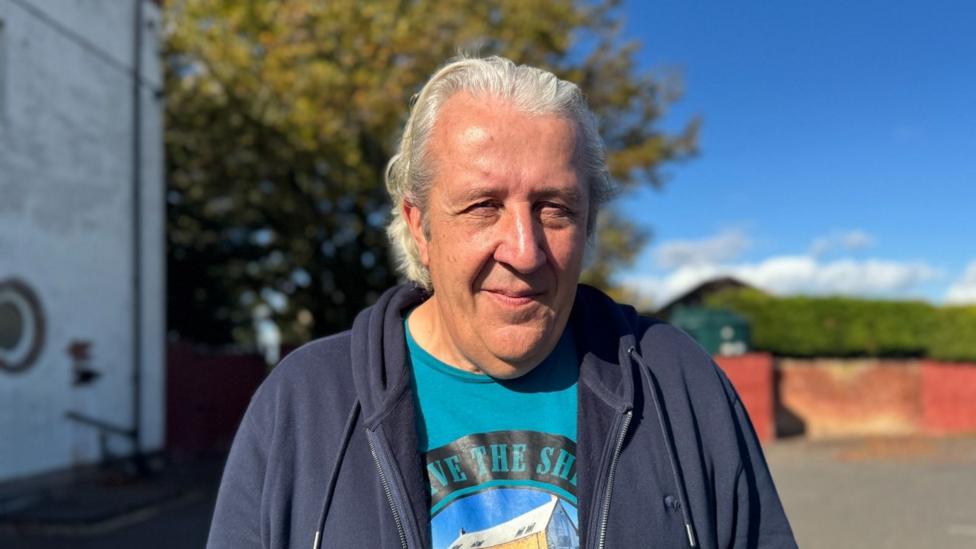
The group has successfully had the pub registered as An Asset of Community Value under the Localism Act 2011, which grants them the legal right to bid for the property should it be offered for sale. Newlands expressed confidence in the venture's viability, noting that
"People have become fed up of the Covid way of living and they want to see their pub open."He added that
"The indications from smaller and larger investors is that it's worth doing and we've proven to our own satisfaction that it is a viable business."
What happens next for The Royal Mail Cart?
According to local reporting, a family team has indicated it will take over The Royal Mail Cart and plans to reopen it under new management, though no opening date has been confirmed. The pub closed at the end of September 2026. Stonegate Group, the pub's owner, was approached for comment but has not yet responded.
Key Facts
- Patrick Hughes quit his tenancy after 14 months, citing changing consumer behaviour, rising costs and roadworks as primary factors in the pub's failure to achieve viable turnover levels.
- Pub closures in South Holland have reached 53% since 2009, more than double the national average of 19%, with Lincolnshire overall experiencing a 27% decline.
- The government's 20% business rates discount for pubs takes effect in April 2027, but industry bodies are calling for it to be made permanent and expanded at the October 2026 Budget.
- Community-led efforts to save pubs, such as The Shipmates group's campaign to reopen The Ship Inn, demonstrate ongoing local demand for traditional pub spaces despite broader sector decline.