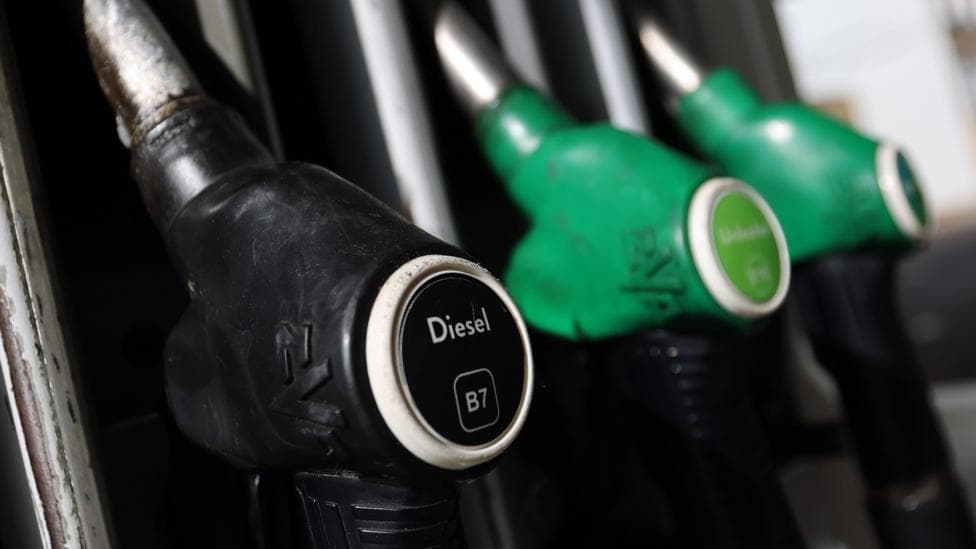
Diesel prices in Jersey have climbed above £2 per litre in recent weeks, prompting concerns from business owners about the cumulative effect on their operating costs and profit margins. The Government of Jersey has proposed freezing fuel duty in 2027 as part of its budget strategy, though some sectors warn the measure alone will not shield them from volatile global energy markets.
Rising fuel costs are creating particular strain across construction, tree surgery, and plant hire sectors, where diesel consumption is integral to daily operations. Business leaders have expressed worry that without additional support, they will be forced to pass increased expenses on to customers or reduce investment in new projects.
What is the government's response?
The Government of Jersey has suggested maintaining fuel duty at its current rate for 2027 to "help avoid additional costs for households and businesses that rely on transport, providing continued support at a time when many islanders remain under financial pressure". Fuel duty was frozen from 2023 to 2025 before rising in line with inflation in 2026; the proposed freeze would reverse that increase in real terms.
The 2027 Budget was lodged on 29 September and now awaits approval by the States Assembly. Treasury Minister Alan Maclean rejected an earlier proposal to cut fuel duty by 10p per litre for three months, arguing that such a broad reduction would not be "targeted" enough. Instead, the government has opted to direct support directly to consumers through other cost-of-living measures rather than expecting businesses to absorb the burden themselves.
According to budget forecasts, fuel-duty income is expected to increase by 7.2%, reflecting the government's expectation that global prices will remain elevated.
How are construction businesses coping?
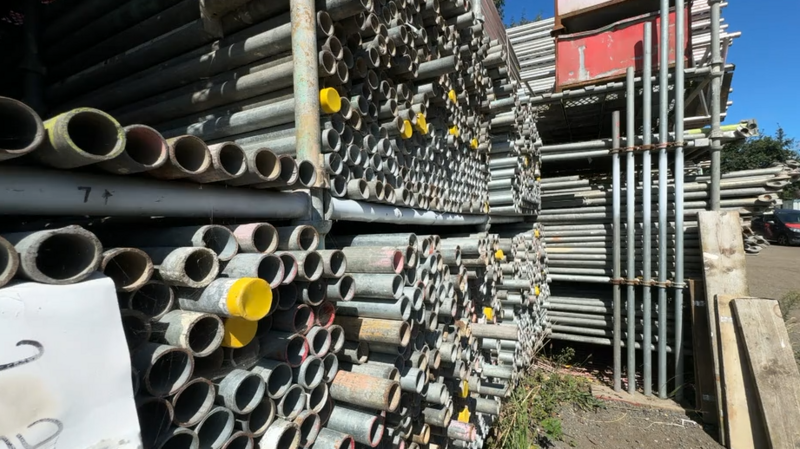
Kelly Keating, from A&A Scaffolding Solutions, said rising diesel prices represent a genuine concern, particularly when combined with other mounting costs across Jersey.
"Construction is taking a hard hit. We rely on diesel for machinery, vehicles and deliveries, so increases put direct pressure on the cost of carrying out work. Alongside rising material, freight and operating costs, this is squeezing margins and making it harder to price projects with confidence."
Keating acknowledged that a freeze in fuel duty would be welcome but expressed scepticism about its effectiveness.
"Our concern is that it would offer limited relief if global fuel prices continue to rise. The wider issue is the cumulative impact. Businesses can only absorb so many increases before they affect investment, project viability and ultimately the prices customers pay."
What impact are tree surgeons experiencing?
Fuel costs are also having a "noticeable impact" on Jonathan Le Maistre Ltd, a tree surgery firm. Darren Hopkins, from the company, explained the scale of their fuel dependency.
"We depend on our vans, trucks, chippers, stump grinders, and other machinery that consume significant amounts of fuel. Increased diesel prices will raise our operating costs, reducing margins on jobs and making it more difficult to absorb costs without passing some of them on to our customers."
Hopkins said continued increases would be a "concern for their business, and the wider industry", suggesting that the problem extends beyond individual firms to affect the entire sector.
Are all businesses struggling equally?
Not all firms report the same level of difficulty. Jeremy Phillips, from Barette Plant Hire, said rising fuel costs "hasn't been too much of an issue so far", though he noted that fuel surcharges are being added to hourly rates to offset expenses. However, he warned of a tipping point.
"If the prices keep going up, customers aren't going to be carrying on with their projects."
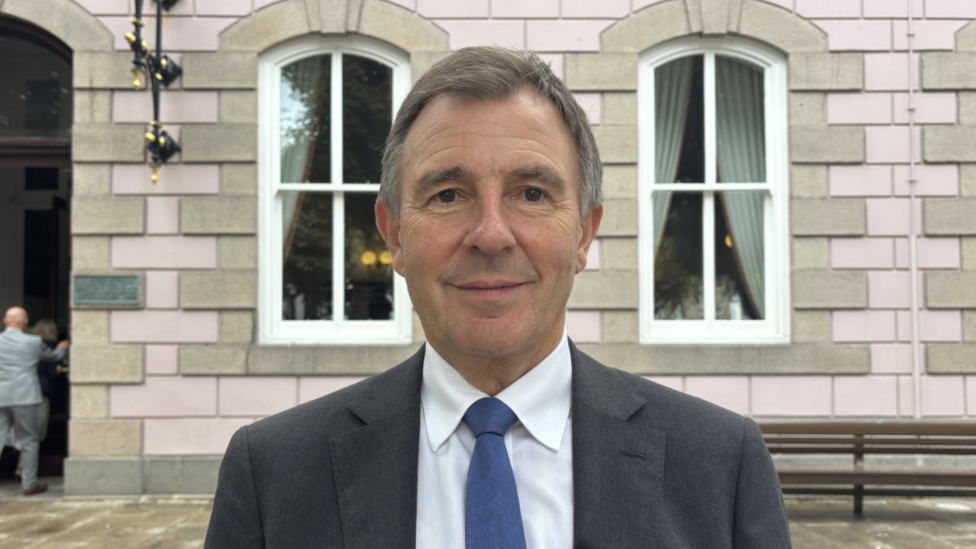
Why did the government reject a direct fuel duty cut?
In the run-up to the budget announcement, Deputy Lucy Stephenson called for a reduction in fuel duty, but those plans were withdrawn following assurances from ministers that support was coming. Speaking at the time, Treasury Minister Alan Maclean explained the government's reasoning.
"We didn't like the idea of reducing fuel duty because it wasn't targeted."
Instead of a broad duty reduction, ministers prioritised targeted support for families and those "struggling the most". Maclean said:
"Rather than expecting businesses to absorb increased costs such as higher fuel prices, the budget provides support directly to consumers to help them manage those pressures and spend in the local economy."
He acknowledged that fuel prices are largely driven by global markets and geopolitical events outside Jersey's control, but argued that the government can "avoid adding further pressure where it can".
"The proposed freeze in fuel duty will help mitigate the impact of prices rises by reducing the level of duty in real terms."
The government's approach reflects a broader policy shift. A separate proposal to cut fuel duty by 10p per litre for three months was withdrawn after discussions with the Treasury Minister, signalling a preference for consumer-focused rather than business-focused relief.
What longer-term changes are being considered?
Looking beyond 2027, ministers plan to begin policy work on a possible vehicle-ownership charge as an alternative to fuel-duty revenue, which is expected to decline over time as the vehicle fleet becomes more electric. This suggests the government recognises that fuel duty may become an increasingly unreliable source of income in future years.
What happens next?
The Budget debate is scheduled to begin in the States Assembly on 8 December 2026, with approved measures due to take effect on 1 January 2027. Until then, businesses will continue to navigate volatile global fuel prices with limited certainty about the level of government support they will receive.