A cross-party group of MPs has called on Prime Minister Andy Burnham to reject ongoing negotiations with US hedge funds and instead pursue emergency legislation to bring Thames Water under direct public control. The environment, food and rural affairs committee (Efra) said the government should consider special administration as the fastest route to stabilise the company, which carries debts of £20 billion and is currently managed by a consortium of more than 100 creditors and distressed-debt investors.
The intervention represents a significant escalation in pressure on the government to abandon the creditor rescue proposal. According to reporting on the committee's position, MPs characterised the current situation as a "doom loop" in which the creditor group continues to extract value from the company while delaying resolution of its underlying problems.
Why can't the government act immediately?
The special administration regime (SAR) for insolvent or failing water companies cannot currently be triggered on performance grounds alone, which has frustrated efforts to remove the creditor consortium from control. Environment Secretary Angela Eagle has previously stated that the current legal framework prevents activation of SAR because the US hedge funds have technically kept Thames Water operational while pursuing a debt restructuring deal, meaning the company does not meet the strict definition of insolvency required by law.
Alistair Carmichael, the Efra committee chair, described this situation as unbelievable.
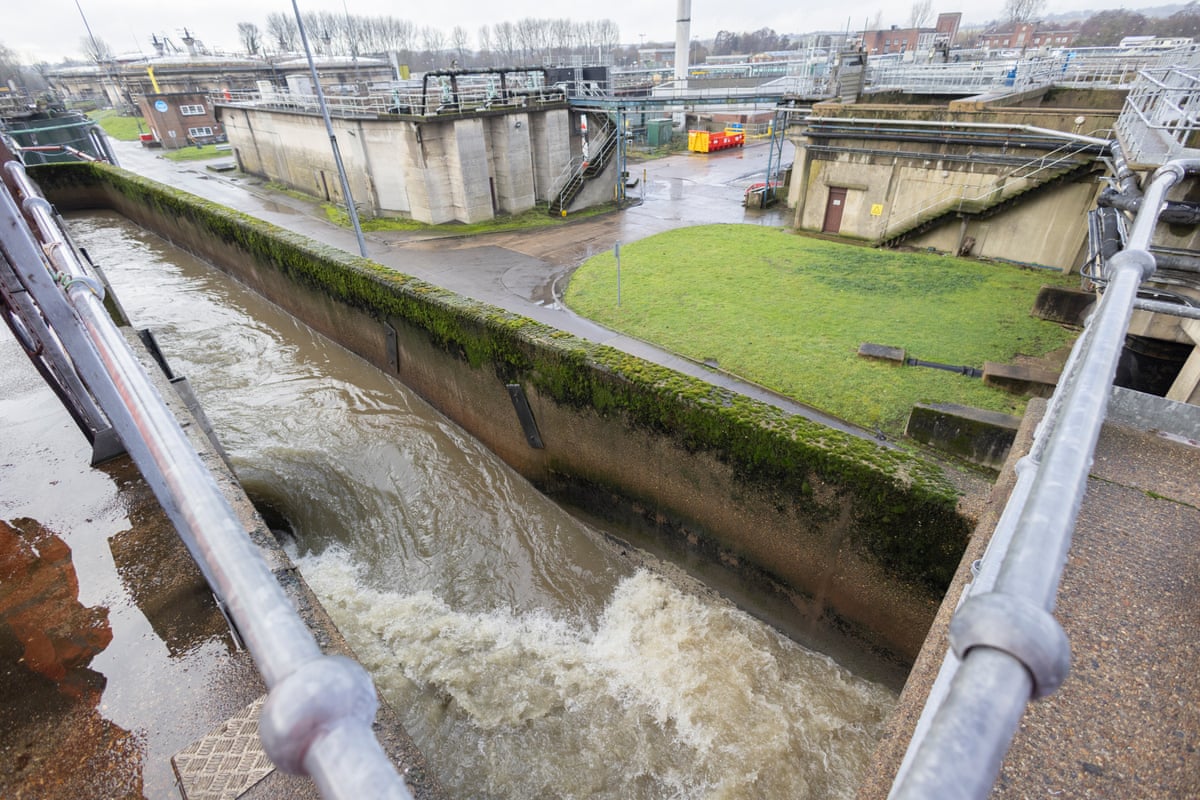
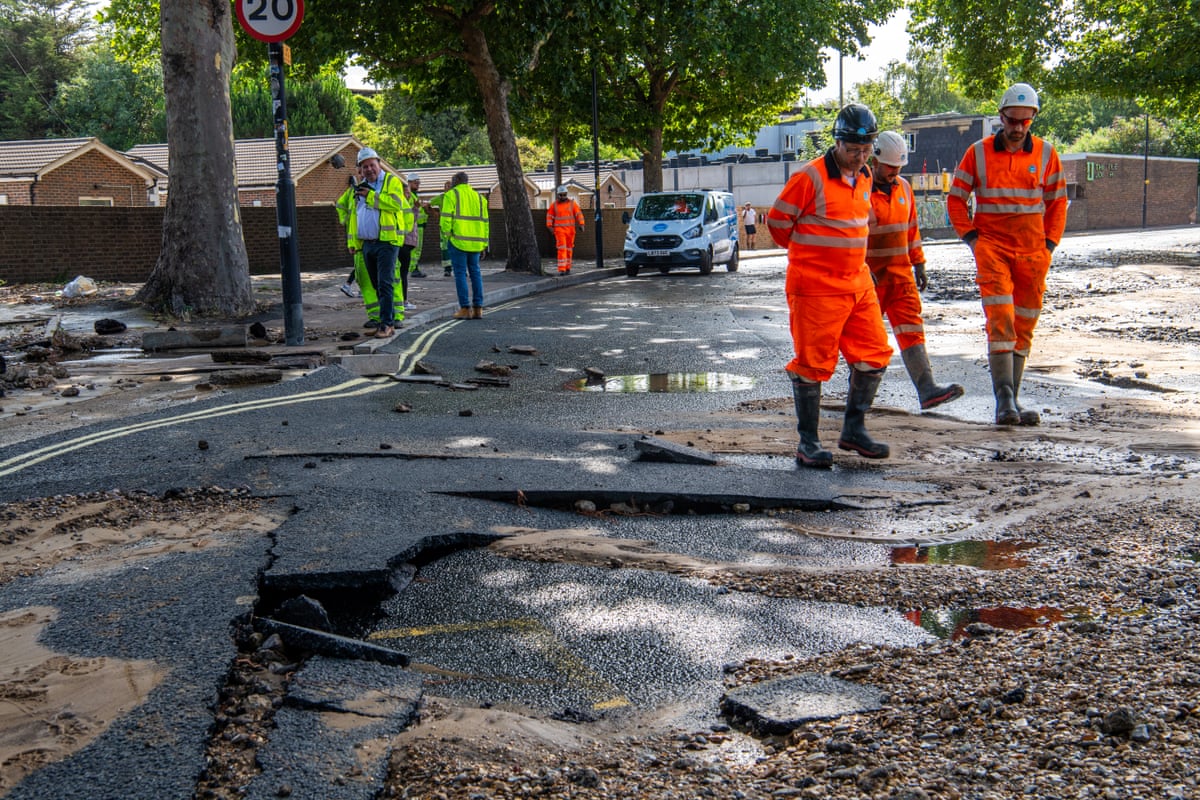
Thames Water's 16 million customers have largely lost faith in it. They are sick of seeing their waterways polluted, their bills going up, and drinking water gush through broken pavements while supplies run low. We believe Thames Water can be turned around, but not by giving the keys back to the people who have been joy-riding in the family car.
The committee's report recommended that ministers explore legislative reform to enable special administration without requiring formal insolvency. According to recent reporting, the Efra committee wants the law changed so Thames Water can enter special administration on performance grounds, bypassing the current requirement for the company to be technically insolvent.
What are the creditors demanding?
The creditor consortium, known as London & Valley Water, is pursuing a £10 billion restructuring proposal that would write off billions in debt and inject new capital for infrastructure investment. However, the group is simultaneously seeking relief from environmental penalties that could be worth up to £1 billion, requesting leniency on pollution, leakage and other performance targets imposed a year ago.
Carmichael said the creditors were operating with a lack of transparency while extracting significant financial benefit from the company.
The government should reject offers from the company's creditors in return for relief from fines for pollution and poor service. We do not believe this opaque consortium of 100 hedge funds and others has the interests of the public, the company or the environment at heart.
The committee expressed concern that the creditor group lacks proper expertise to manage a vital public service.
Their demands demonstrate that they will not prioritise the swift turnaround in performance that Thames Water so desperately needs. Whilst keeping the company in limbo by drawing out negotiations, these creditors are simultaneously reaping millions in debt interest and fees.
Who are the leading creditors?
Elliott Investment Management is among the most prominent members of the creditor group, which also includes Silver Point Capital, BlackRock and M&G. Elliott's founder and co-chief executive is Paul Singer, a Trump donor described by Bloomberg as "the most feared investor in the world". According to Bloomberg reporting, the government is weighing whether to place Thames Water into special administration, which would bring the company under state control and remove the creditor consortium from operational control.

The MPs raised concerns that insufficient regulatory due diligence had been carried out on the consortium before it was permitted to acquire Thames Water's debt and assume effective management of the company. The committee noted that the creditor group collectively holds approximately £17 billion of Thames Water's £21 billion debt pile.
What is the creditor group's response?
A spokesperson for the London & Valley Water consortium rejected the committee's criticism, stating that their proposal represents the fastest route to resolve Thames Water's problems.
Our enhanced proposal will address all feedback from Ofwat and ministers and is the fastest route to fix Thames Water's complex problems. The plan will write off billions of pounds of debt to achieve an investment grade rating and provide £10bn of new capital from experienced investors to improve and upgrade Thames Water's infrastructure and clean up local rivers.
The consortium added that all environmental fines would be paid, all profits would be reinvested, and no dividends would be taken until the company is stabilised and returned to public markets.
There will be no cost to the government or taxpayers, and customers will be protected from the costs of Thames Water's restructuring. A new board with specialist expertise will oversee Thames Water's transformation and work tirelessly to drive the turnaround and rebuild trust.
The creditor group emphasised that it has never been in control of Thames Water and has never received dividends from the company, arguing instead that it has stepped in to fund a significant revenue shortfall to enable Thames Water's capital investment programme to continue without disruption.
What is the broader context?
This committee intervention follows months of escalating pressure on the government to take action. In June 2026, the government rejected the creditors' previous rescue proposal, citing concerns about consumer burden and moving the utility closer to potential nationalisation. Since then, Prime Minister Burnham has been exploring an overhaul of insolvency law to facilitate public takeover of Thames Water and other utilities, examining legislative reforms to the special administration regime.
The creditor group has attempted to address political concerns by naming four senior figures to lead the company under their rescue plan, but campaigners have dismissed this as a superficial attempt to avoid nationalisation. The intervention also comes after 64 MPs debated a 200,000-strong petition set up by campaigner Ash Smith calling for a referendum on returning the privatised water industry to public ownership.
The committee's report said ministers should withdraw from negotiations with the consortium and instead explore all potential alternative options, including special administration or fresh legislation to draw a line under the crisis and restore stability to the sector by placing Thames Water on a sound footing for new buyers.
Carmichael suggested that putting the company into special administration once its cash reserves were exhausted could be the only way to reset its fortunes.
Liabilities that the government will face in the short term may be offset by a future sale of Thames Water once a new buyer can be found.
What happens next?
Creditors' consent requests on Thames Water financing arrangements are scheduled for a voting date of 25 September 2026. Thames Water is simultaneously negotiating a potential £1 billion liquidity package, with an agreement expected within weeks. Discussions remain ongoing between Ofwat and the leading creditor group over the final outcome, with the government's position on special administration still under review.
Key Facts
- Thames Water carries £20 billion in debt and is managed by a consortium of more than 100 creditors and distressed-debt investors
- The creditor group's £10 billion restructuring proposal seeks relief from environmental penalties worth up to £1 billion
- Current law prevents special administration from being triggered on performance grounds alone, requiring legislative reform
- The creditor consortium collectively holds approximately £17 billion of Thames Water's £21 billion debt pile
- Creditor consent votes on financing arrangements are scheduled for 25 September 2026