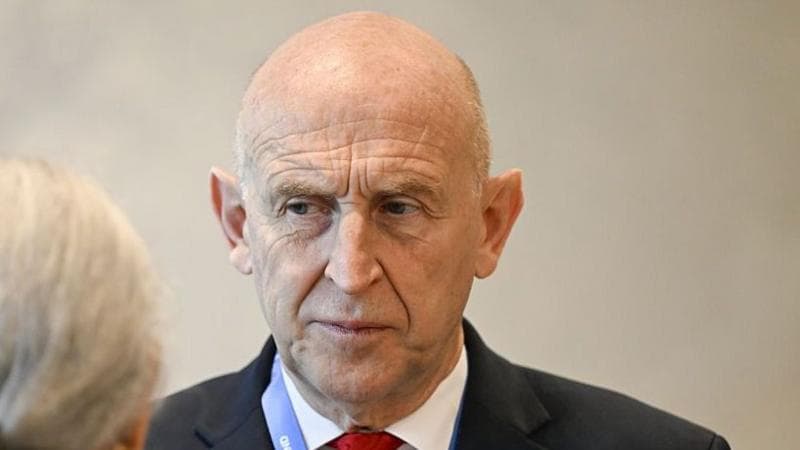
Chancellor John Healey faced mounting economic headwinds on Wednesday as he travelled to North East Scotland to announce new North Sea energy approvals, with fresh data on inflation and public finances underscoring the difficult choices ahead for his Budget statement the following week.
According to BBC News, the economic figures revealed a complex landscape of constraints. The National Debt has exceeded £3 trillion for the first time in official records. The headline inflation rate reached 3.5%, with expectations it will climb toward 4% in coming months. Government borrowing is outpacing forecasts as both spending and interest costs rise, creating pressure on the Chancellor's room for fiscal manoeuvre.
The backdrop of these figures illustrates the central tension in Healey's Budget planning. He has stated his intention to provide "breathing space" to households grappling with cost of living pressures, yet the public finances face simultaneous strain from rising inflation and elevated borrowing costs.
Beyond the headline inflation figure driven by surging petrol and diesel prices, other underlying measures of price pressure also increased. Airfares and computer game download prices showed early signs of stickier inflation that may not prove temporary. Capital Economics now forecasts the main inflation measure will peak at 4.2% in the coming year.
The Bank of England closely monitors services inflation and core inflation, and these rising figures significantly increase the likelihood of an interest rate rise in the following month. The services sector—encompassing law, banking, retail, hospitality and tourism—represents the vast majority of UK economic output, making its price pressures particularly significant for overall inflation dynamics.
How will welfare payments and pensions be affected?
The September inflation figure directly determines the uprating of tens of billions in welfare payments scheduled for April. By law, benefits including personal independence payment and carer's allowance must increase in line with the consumer price index measure of inflation. The same figure confirms the Triple Lock will deliver a 3.9% increase to the State Pension in April.
One mitigating factor exists: food price inflation has largely escaped the energy shock affecting other sectors. However, the combination of higher inflation alongside frozen tax thresholds will increase tax revenues in cash terms while simultaneously raising the cost of public services, including anticipated union pay demands.
What do borrowing costs reveal about the Chancellor's constraints?
UK borrowing costs have risen alongside those of most advanced economies as geopolitical tensions, including the US-Israel conflict with Iran, have intensified global financial conditions. Government borrowing jumped to £18.3 billion in August, nearly 20% higher than the previous year, as inflation pushed up public spending and debt interest payments reached a record £8.8 billion.
The narrowing of the borrowing costs gap with other G7 nations, combined with International Monetary Fund praise for the government's stated plans to reduce borrowing, provided some platform for the Chancellor's Budget strategy. Yet the Institute for Fiscal Studies warned that Healey faces a £35 billion funding gap and must present credible spending plans to convince markets and investors of the government's fiscal credentials.
What does the North Sea announcement signal?
The Jackdaw gas field decision announced on Wednesday is viewed as the opening move in a series of "pro-growth" announcements timed before the Budget. While the decision sends a directional message about the government's energy policy, it will not fundamentally alter the core trade-off between providing cost of living relief to households and delivering a Budget that reassures financial markets.
The latest economic data demonstrates the scale of this challenge. UK government borrowing exceeded forecasts by £2.3 billion in July, reaching £1.8 billion for the month alone, constraining the Chancellor's flexibility. The convergence of rising inflation, elevated borrowing costs, and structural pressures on public finances leaves limited room for the spending commitments or tax cuts that might ease immediate cost of living pressures while maintaining the fiscal credibility the government seeks to establish.