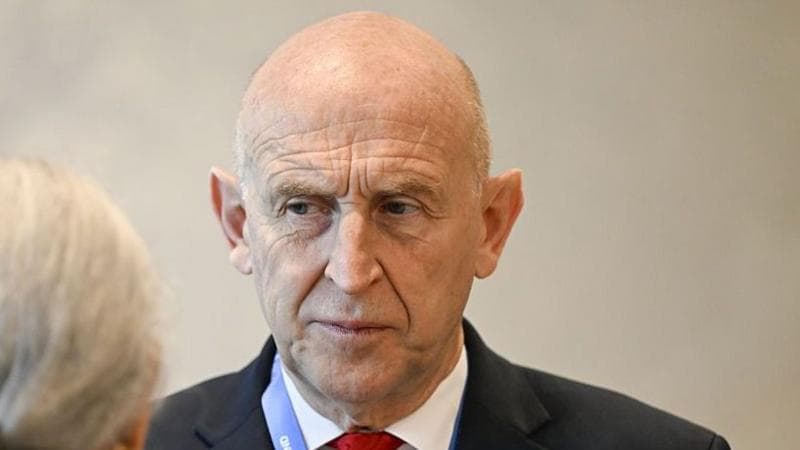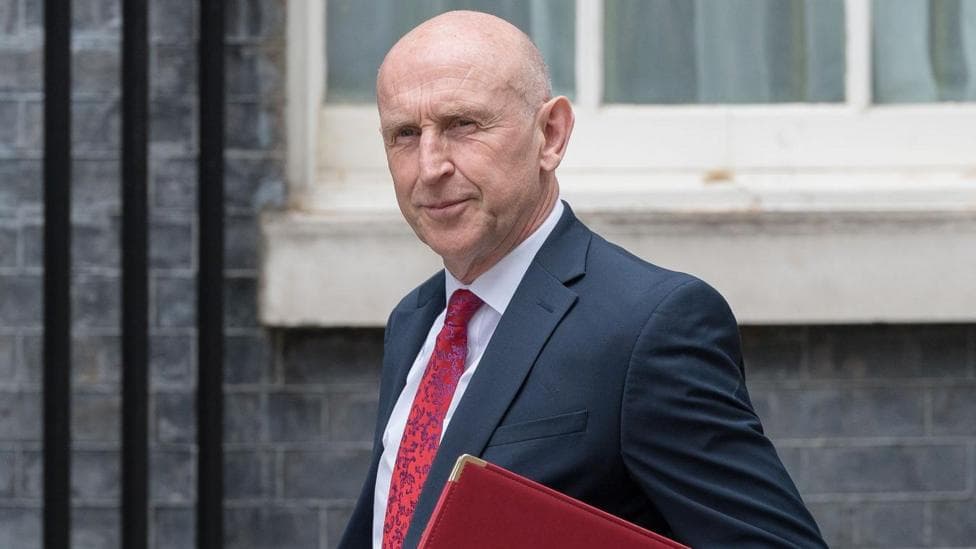
Government borrowing exceeded official expectations in July, figures released on 21 August 2026 showed, presenting a fiscal challenge as Chancellor John Healey prepares his first Budget on 28 October 2026.
The Office for National Statistics (ONS) reported that borrowing ran £2.3bn higher than the Office for Budget Responsibility (OBR) had predicted. The monthly borrowing figure itself reached £1.8bn, representing a two-thirds increase compared to July of the previous year.
The overshoot narrows the government's flexibility to fund new spending commitments. Economists cautioned that the result leaves little room for additional borrowing measures in the forthcoming Budget, particularly given the administration's stated commitment to cost-of-living support.
Healey has committed to maintaining what he describes as
"strong fiscal discipline"at the Budget, which will constrain the government's spending capacity. The Chancellor has retained the fiscal rules established by his predecessor Rachel Reeves, which require the government to fund all day-to-day expenditure through tax receipts by the end of the decade.
In response to the borrowing data, Healey stated:
"We are cutting the deficit faster than any other G7 economy, while giving people a bit of breathing space with cost of living pressures and focusing support to get young people into work."
What drove the July borrowing figure?
Borrowing fell by £16bn from June to July, aided by a substantial increase in self-assessed income tax payments. However, this improvement was offset by higher-than-anticipated welfare expenditure, including benefits and pension payments. Social spending exceeded the equivalent period in the previous year by £2bn.
The four-month cumulative borrowing figure from April to July 2026 reached £56.7bn. While this represents a decrease compared to the same period last year, it exceeded the OBR's forecast by £2.3bn, the same margin as the monthly overshoot. According to reporting, Treasury officials are examining options for additional borrowing within the existing fiscal framework, with Healey indicating there is
"scope for more and more rapid investment."
What do economists say about the outlook?
Ashley Webb, senior economist at Capital Economics, described the result as part of a continuing
"run of bad news"for the economy and warned that
"there will be little scope to raise borrowing in the Budget later this year."He predicted the borrowing overshoot
"will probably get bigger"as economic growth slows and the government implements additional household support measures.
The July figures follow a pattern of borrowing overruns throughout 2026. In May, borrowing had reached £23.3bn, exceeding forecasts by £5.6bn amid rising government spending and inflation-driven debt costs. The government had borrowed £128bn across the entire 2025/26 financial year, according to . Earlier 2026 borrowing overruns were compounded by costs linked to geopolitical events including the effects of the Iran war, according to Bloomberg reporting.
How much debt does the UK carry?
The ONS reported that Britain's overall debt pile is approaching £3 trillion. Public sector net debt reached £2.9899tn in June 2026, equivalent to 94.9% of GDP. The debt has grown by £127.2bn compared to a year earlier, reflecting both new borrowing and the accumulation of interest payments on existing obligations.
What is the political response?
The Conservative Party criticised the borrowing figures, arguing that Labour's spending plans will impose costs on ordinary households. Shadow Chancellor Mel Stride said:
"We spend more on just the interest of our soaring debt than we do on our defence, police, and prisons combined. We simply cannot afford the price of Labour."
What happens next?
The ONS will release its next monthly public finances data on 21 September 2026. Healey's first Budget and the OBR's accompanying economic forecast are scheduled for 28 October 2026, when the government will set out its spending plans and fiscal strategy for the year ahead.