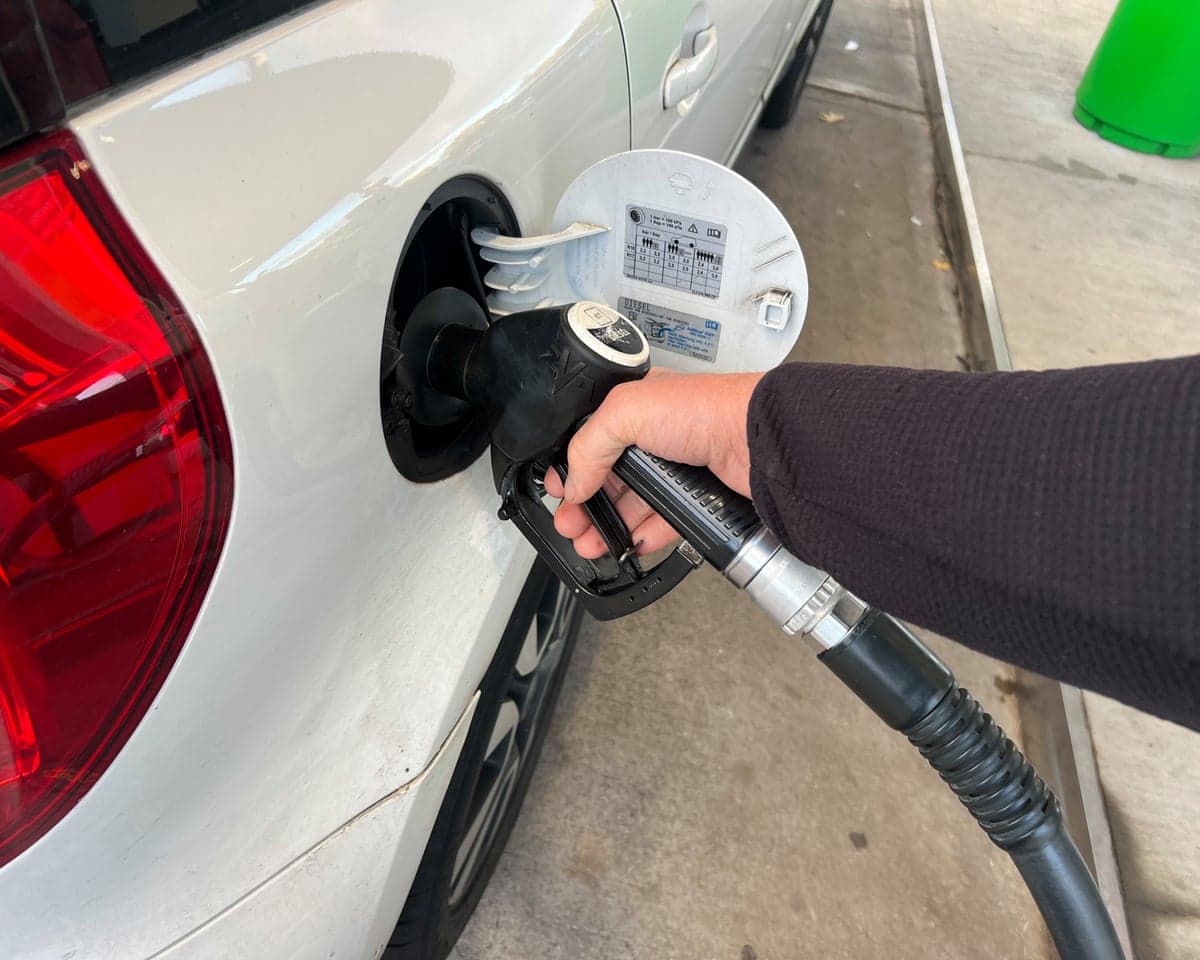
The UK's inflation rate has accelerated to 3.5% in the 12 months to September, driven primarily by a sharp rise in motor fuel prices that reached their fastest pace in four years, according to The Guardian. The Office for National Statistics reported the increase exceeded economist forecasts of 3.4%, with diesel prices climbing to record levels above £2 per litre this month. In a separate development on the same day, the UK government approved the long-delayed Jackdaw gasfield in the North Sea, a decision that has drawn sharp criticism from environmental groups and some Labour MPs despite being widely anticipated.
The acceleration in inflation reflects mounting global energy pressures. Oil and gas prices have surged since late February following geopolitical tensions, with the effective closure of the Strait of Hormuz to most fossil fuel shipments pushing Brent crude well above $100 a barrel. Petrol prices have climbed above £1.70 per litre, while diesel has reached unprecedented highs. Transport costs, particularly motor fuels, were identified as the largest factor pushing inflation upward, though restaurants and hotels provided a partially offsetting downward contribution. Core inflation, which excludes volatile energy, food, alcohol and tobacco, rose to 2.8% in the same period, up from 2.6% in August.
Bank of England officials are widely forecast to raise interest rates when they convene next month, with growing concerns that inflation could exceed 4% in the coming year—more than double the central bank's 2% target.
What does the Jackdaw approval mean for UK energy?
Energy Secretary Miatta Fahnbulleh confirmed that the Jackdaw gasfield will begin supplying gas to homes and businesses from the end of October 2026. According to Reuters, the project could raise domestic gas production by approximately 6% at peak capacity and support supply for up to 11 years, with operator Adura projecting peak output of 40,000 barrels of oil equivalent per day. The decision follows a 2025 court ruling that required fresh government consent accounting for emissions from burning the extracted fuel, after the original 2022 approval was challenged on climate grounds.
Fahnbulleh stated that the decision supports the country's energy security with homegrown gas during the winter months and helps minimise the UK's reliance on imported fuels with higher emissions as the transition to renewables and nuclear continues.
Following careful consideration of all relevant factors I have agreed that the regulator can grant consent for gas to be produced at Jackdaw, which will begin to supply the UK with gas from this winter thanks to the highly skilled and vital North Sea workers. This decision will support the country's energy security with homegrown gas this winter and help minimise the UK's use of imported higher emission fuels as we continue our transition to renewables and nuclear.
Prime Minister Andy Burnham emphasised that the decision will protect hundreds of jobs and help keep millions of homes warm during winter.
At a time when people are really struggling, it's right that we look in a responsible way at maximising the existing energy reserves we have in Britain that could help. We're committed to moving towards renewable energy and reaching net zero by 2050. But even on our ambitious climate path, we'll still require oil and gas as part of our energy needs for decades to come.
How does this fit with Labour's climate commitments?
The approval represents a significant tension with Labour's 2024 election manifesto, which committed to banning new drilling licences in the North Sea. However, the companies behind Jackdaw and the separate Rosebank oilfield project sought environmental approval for existing licences rather than new ones, having resubmitted their applications earlier in 2026. The decision on Jackdaw had been expected the previous month but was delayed, seemingly to position it beyond the Holborn and St Pancras byelection on 8 October, where Labour was defending a seat against a Green Party challenge.
The government maintains that the decision is compatible with its legally binding climate commitments and its goal of achieving net zero by 2050. Fahnbulleh stated:
The decision is compatible with our legally binding climate commitments, and we remain resolute in ending new licences for oil and gas and achieving net zero by 2050.
Burnham added that the government is taking a pragmatic approach to the North Sea while remaining committed to the energy transition.
We're also establishing a new Energy Wealth Fund to invest in renewable energy, support the green transition and help reduce energy bills over the long-term. Our approach will ensure we can boost our energy security, back British workers, ringfence future North Sea proceeds to speed up the green transition, hit our ambitious climate targets and - crucially - bring down bills.
What is the Energy Wealth Fund?
Chancellor John Healey has focused on the newly established Energy Wealth Fund, which aims to reinvest oil and gas revenues into the clean energy transition. According to Reuters, the fund will receive a £2 billion initial contribution. Healey stated:
I want Britain's energy wealth to spark a new wave of clean power to work for the British people. Since North Sea gas and oil were discovered decades ago, the benefit of our existing nation's natural resources have not been turned into the long-term investment our country needs. Through our new Energy Wealth Fund, we will invest in the clean energy industries of the future, creating jobs, driving growth and strengthening Britain's energy security.
The fund is structured similarly to Norway's sovereign wealth model but critics argue it comes too late to maximise the benefits of North Sea resources. The government intends to ringfence future North Sea proceeds to accelerate the green transition.
What do environmental groups say?
Environmental law charity ClientEarth expressed dismay at the approval, citing previous successful legal challenges against the UK government's climate plan. Kyle Lischak, the charity's head of UK operations, warned of the long-term consequences:
Today's decision from the government is very worrying. The courts had recognised allowing new large-scale oil and gas projects to proceed could risk locking in emissions that will worsen the climate crisis. The severe impacts of these projects do not disappear and only increase over time. And if approval is extended to the oil-heavy Rosebank basin, it detonates an even-greater carbon bomb that worsens extreme weather, drives future costs of climate damage, and threatens our farmland and food security.
ClientEarth further argued that additional North Sea oil and gas will not reduce British energy bills, as the fuel will be traded internationally rather than reserved for domestic use. The charity contended that drilling companies will extract resources at substantial profit before abandoning empty oilfields, leaving the public to bear the costs of climate damage for decades.
What do industry supporters say?
The pro-growth campaign group Britain Remade welcomed the decision, acknowledging the UK's continued need for gas while emphasising the importance of transitioning to clean energy. Sam Richards, its chief executive, stated:
Britain is going to need gas for decades to come, as even the climate change committee recognises. The choice is not between gas and no gas, but between gas produced in British waters and gas shipped in from abroad at higher cost and with higher emissions. But while we should use what we have, the north sea is a declining basin, and we need to transition to homegrown clean power. Britain's always-on electricity should come from new clean nuclear, both gigawatt-scale reactors and small modular reactors that can be sited in far more places than their bigger cousins.
Richards called on the government to urgently implement the Fingleton Review in full to reduce nuclear construction costs and to commit to a new small modular reactor at Dungeness without delay.
What happens next?
The government has postponed a decision on the separate Rosebank oil development, according to reporting from major news outlets, with no decision date currently announced. The Rosebank project has faced even greater environmental opposition than Jackdaw due to its oil-heavy focus. Bank of England officials are expected to announce interest rate decisions next month, with markets anticipating a rise amid concerns about inflation exceeding 4% in 2027. The government will also monitor the effectiveness of the Energy Wealth Fund in channelling North Sea revenues toward renewable energy and nuclear projects as part of its net zero strategy.