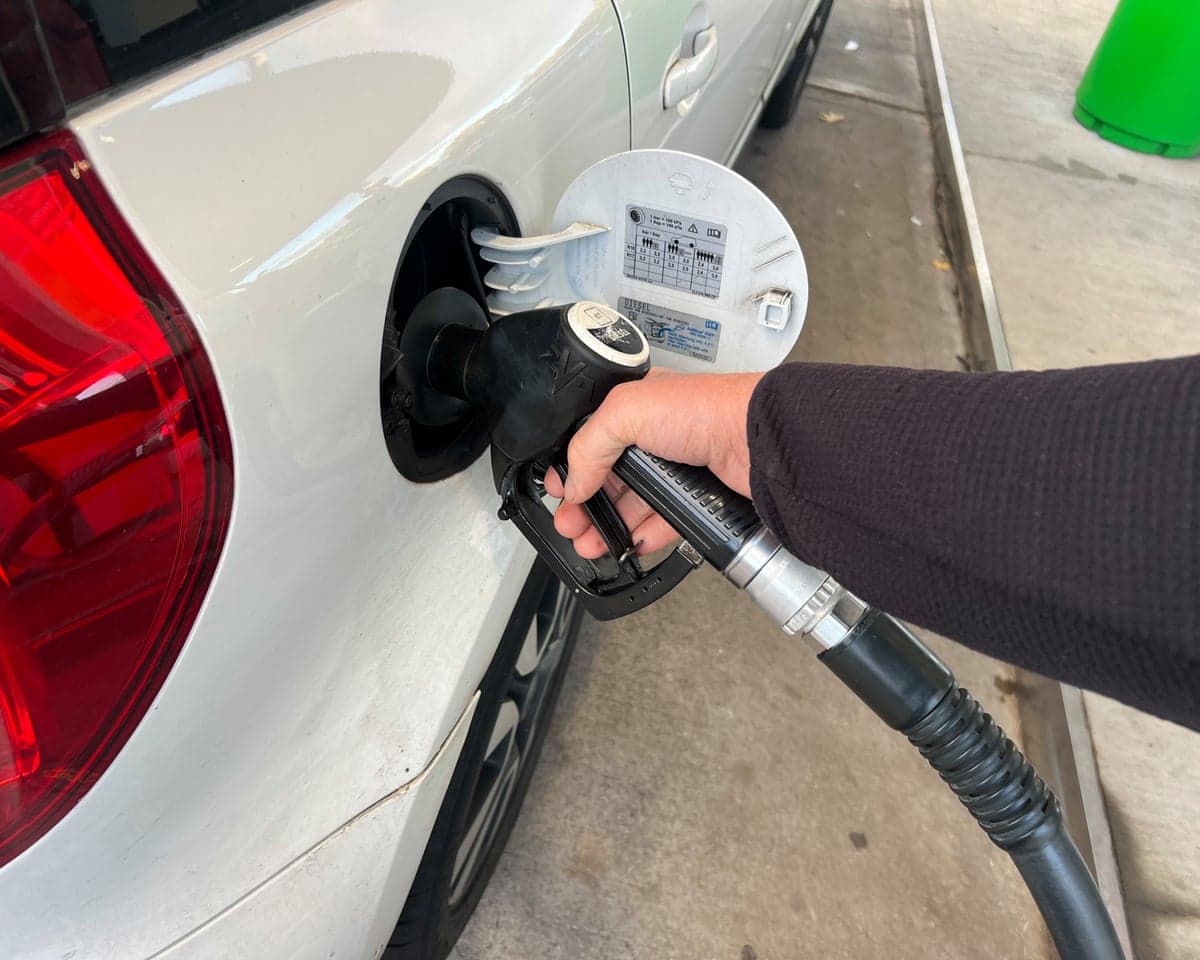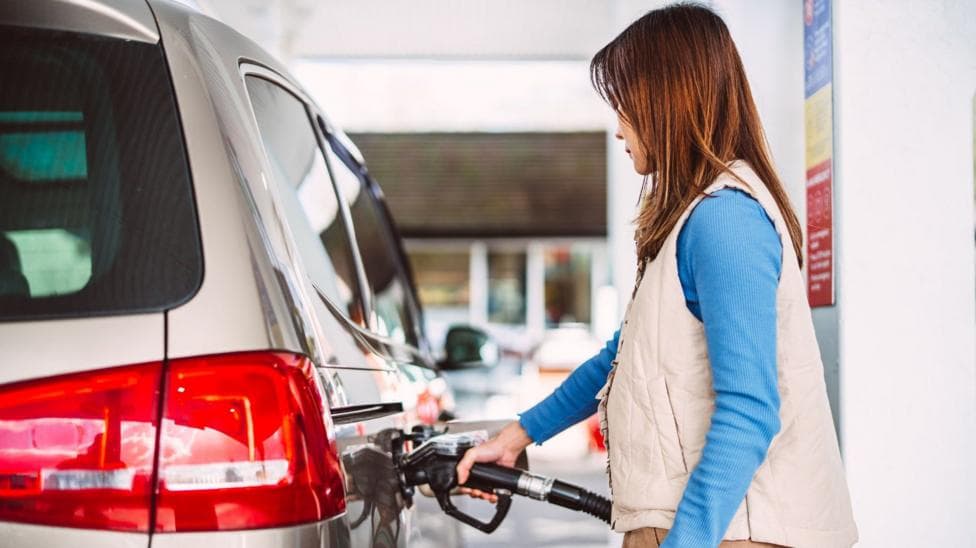
The United Kingdom's inflation rate climbed to 3.5% in the year to September, marking a sharp acceleration from 3.1% the previous month, according to the Office for National Statistics (ONS). The increase came ahead of Chancellor John Healey's inaugural Budget and was driven primarily by soaring petrol and diesel prices. According to BBC News, the cost of filling up vehicles has surged in recent months as geopolitical tensions in the Middle East and Europe continued to disrupt global oil supplies.
The September figures represent a concerning trend for households already grappling with cost-of-living pressures. Petrol prices in September reached their highest level since August 2022, the ONS confirmed, while diesel costs also experienced significant increases. This acceleration follows a pattern established over the preceding months, as inflation rose to 3.1% in August from 2.9% in July, driven by similar fuel-related pressures.
What is driving the price increases?
Global oil market disruptions stemming from conflicts in the Middle East and Europe have been the primary culprit behind the sharp fuel price rises. These geopolitical tensions have constrained global oil supplies, pushing up costs at the pump. The timing is particularly significant as it places renewed pressure on the Bank of England's 2% inflation target and complicates policymaking decisions during a period of economic uncertainty.
How does this affect the broader economy?
The acceleration in inflation ahead of the Budget signals that households face continued financial strain. The surge in fuel costs, which feed into transport and logistics expenses across the economy, threatens to keep inflation elevated and may influence the Bank of England's monetary policy decisions in the months ahead.