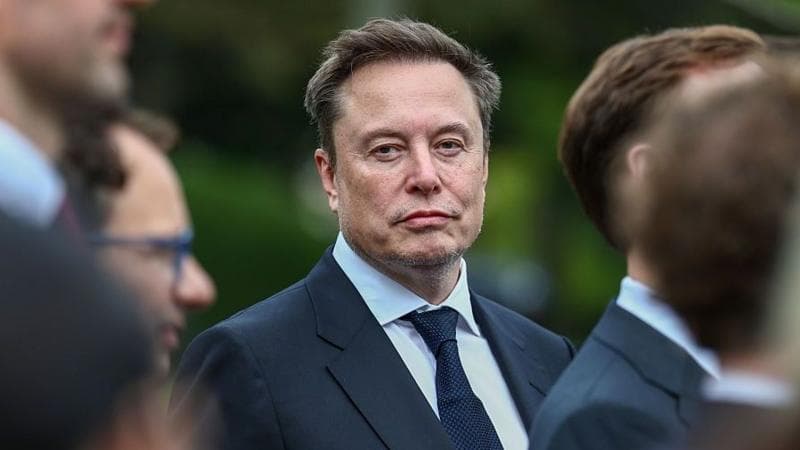
Elon Musk is actively exploring a merger between Tesla and SpaceX, two of the world's most valuable technology companies, according to BBC News. When asked directly on Tuesday whether combining the firms would be beneficial, Musk responded affirmatively, confirming that independent committees have been formed at shareholders' request to evaluate the potential transaction, though he emphasized no agreement has been reached and no guarantee exists that a deal will proceed.
The scale of such a combination would be unprecedented in corporate history. With Tesla valued at approximately $1.5 trillion and SpaceX at $2 trillion, merging the two enterprises would create the largest merger ever attempted. Any transaction would require approval from Tesla shareholders—specifically a majority of all outstanding shares, not merely a majority of votes cast—a threshold Musk himself described as "quite a high hurdle." Despite this barrier, Reuters reported that merger discussions began in recent weeks and could potentially result in SpaceX acquiring Tesla, citing an unnamed person familiar with the matter.
Musk, who serves as CEO of both companies, cannot participate directly in shareholder discussions about the deal. However, as a major shareholder of Tesla, he is widely expected to influence the outcome. Following Musk's public comments, Reuters reported that Tesla shares rose 8% in extended trading, while SpaceX shares climbed 8% in after-hours trading.
The merger represents an evolution of Musk's broader strategy to consolidate his business empire. Over the past year, SpaceX has acquired artificial intelligence startup xAI and social media platform X, formerly Twitter, before SpaceX went public in July 2026. Earlier reports confirmed that Musk views a merger as beneficial and that it remains under active consideration by special committees at both companies, though the process must follow appropriate governance procedures.
What strategic benefits would the merger create?
Musk has identified substantial synergies between the two companies, particularly in the development of chips, artificial intelligence, and advanced technology platforms. Combining Tesla's autonomous vehicles, robotics, and self-driving capabilities with SpaceX's rockets, data centres, satellites, and telecommunications infrastructure could yield transformative technological advances. The recent unveiling of the Tesla Roadster—a futuristic electric vehicle powered by SpaceX rocket thrusters—served as what analysts describe as a symbolic embodiment hinting at the convergence of Musk's two enterprises.
Investment analyst Dan Sheehan from Telos Wealth Advisors believes shareholders will ultimately support the deal because the technology each company develops complements the other's work. Pairing Tesla's self-driving technology and robotics with SpaceX's artificial intelligence capabilities and satellite network could result in significantly more capable vehicles, Sheehan explained. However, he cautioned that Tesla shareholders would likely hold a "smaller slice of a much larger and more complex business" following any combination, and noted that "there's no real precedent for how a public company like Tesla gets priced in this."
David Nicholson, Chief Technology Advisor at The Futurum Group, a market research company, expressed strong confidence in the merger's likelihood.
In my opinion, 100%. It's just a question of when,Nicholson stated. He suggested that vehicles may become almost like "an afterthought" within a combined entity, overshadowed by the potential to leverage Tesla and SpaceX's technological capabilities in artificial intelligence infrastructure and space-based systems.
How would customers be affected?
Experts indicated that Tesla drivers are unlikely to experience dramatic changes in the near term, even if the two companies combine. Tesla has already begun implementing strategic shifts, prioritizing its best-selling Model Y and Model 3 while reducing focus on less popular models. The carmaker has also converted a California manufacturing facility to produce humanoid robots known as Optimus.
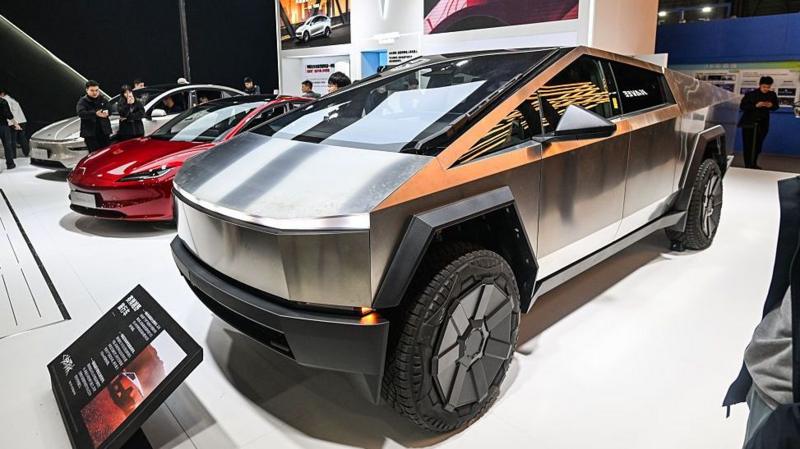
The recent Roadster showcase suggests that SpaceX technology could be integrated into future Tesla products, potentially attracting additional customers. Tu Le, founder of advisory firm Sino Auto Insights, noted that such integration could enhance Tesla's competitive position. This matters as Tesla faces intensifying competition from Chinese electric vehicle manufacturers, particularly BYD, which surpassed Tesla as the world's largest EV maker in January 2026.
The critical question, according to Sheehan, concerns how much priority automobiles receive within a company increasingly driven by artificial intelligence infrastructure development. A merged entity focused on AI and space-based systems might deprioritize traditional vehicle manufacturing, fundamentally altering Tesla's business trajectory.
What advantages would Musk gain?
The merger would provide Musk with greater voting control over the combined company than he currently possesses at Tesla alone—a factor that the special committee assessing the deal must evaluate. Consolidating his enterprises into a single publicly traded company would streamline his ability to execute his artificial intelligence strategy according to his vision, Sheehan explained.
The deal itself doesn't add to Musk's wealth, but it concentrates it further in one stock,he said.
Beyond financial considerations, the merger aligns with what Nicholson describes as Musk's fundamental "mission in life": establishing a self-sustaining human settlement on Mars. A combined entity with integrated space, artificial intelligence, and robotics capabilities would position Musk to pursue this ambitious objective more effectively than either company could independently. The vision has attracted both sceptics and substantial backing from investors and technologists.
However, the merger could intensify scrutiny surrounding Musk, already a polarizing figure in American business and politics. The transaction may also encounter regulatory resistance if Democrats—many of whom have been critical of Musk—gain additional seats in upcoming elections. Despite these potential obstacles, shareholders have previously backed Musk's strategic initiatives; Tesla investors approved an unprecedented compensation package for Musk valued at approximately $1 trillion in 2025.
What happens next?
Tesla's annual shareholder meeting is scheduled for December 3, 2026. Financial analysts have suggested that a potential merger announcement could occur before this date, providing shareholders with an opportunity to vote on the proposal. Tech analyst Gene Munster estimated a 95% probability of a deal occurring within two years, reflecting widespread market confidence in the transaction's eventual completion.
Notably, Tesla's annual shareholder proxy filed on Monday did not include a merger proposal for a vote, indicating that any formal shareholder consideration remains in preliminary stages. The special committees at both companies continue their evaluation process, assessing financial, operational, and strategic implications of combining the two enterprises. Until these committees complete their assessment and present formal recommendations, the merger remains exploratory rather than imminent.