Annual inflation in the UK accelerated to 3.5% in September, exceeding economist forecasts and intensifying pressure on policymakers ahead of the government's budget announcement. According to The Guardian, the surge was driven primarily by a sharp rise in motor fuel prices stemming from the Middle East conflict, which has disrupted global oil and gas supplies. The Office for National Statistics reported that the consumer prices index climbed beyond the 3.4% increase that economists had anticipated.
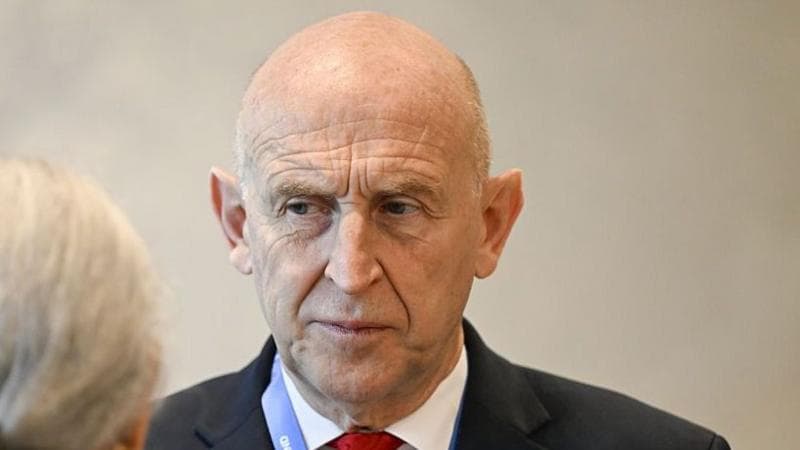
The timing creates a significant challenge for Chancellor John Healey, who will present his first budget within a week. The inflation reading also raises concerns among rate-setters that the figure could breach 4% in the coming year as the effects of elevated energy costs ripple through the broader economy.
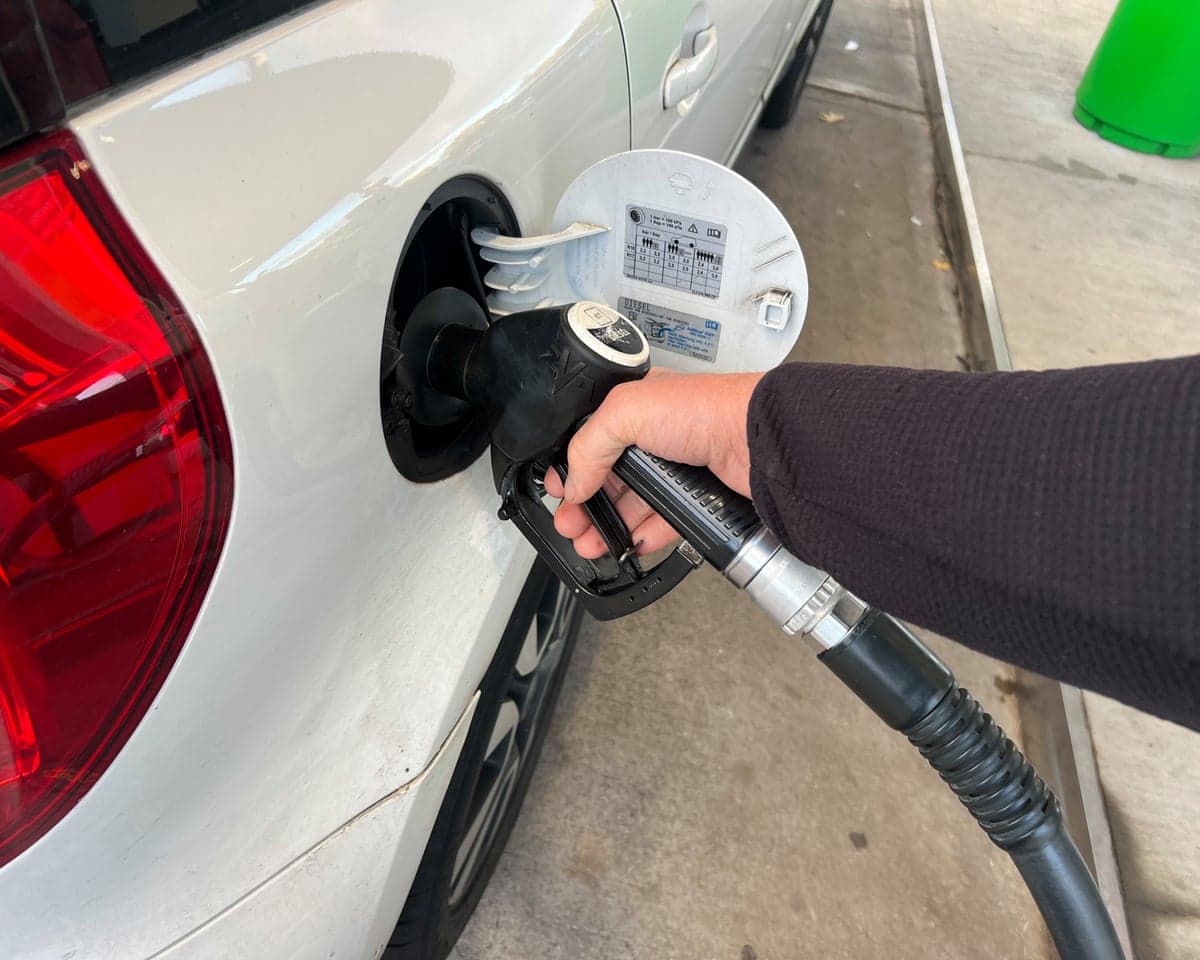
Oil and gas prices have surged dramatically since the end of February, when geopolitical tensions in the Middle East began disrupting flows through the Strait of Hormuz. The ONS identified rising motor fuel costs as the dominant factor behind September's inflation acceleration. Petrol prices climbed by 8.2p per litre between August and September 2026, contrasting sharply with a 0.2p decline in the equivalent period of 2025. Diesel, which is often refined in the Middle East, experienced an even steeper increase of 10.7p per litre in September 2026, compared with a 0.4p fall in September 2025.
Air fares, which are heavily dependent on fuel costs, declined by considerably less than their typical seasonal pattern in September, reflecting the elevated price environment. However, some areas of the economy provided relief: clothing costs fell modestly, and food price growth remained stable at 1.3% as supermarket competition offset increases in transport-related expenses.
What does this mean for interest rates?
The inflation reading makes it virtually certain that the Bank of England will raise interest rates from their current 3.7% level when officials meet on 5 November 2026. Rate-setters are particularly concerned that inflation will climb above 4% next year as higher oil and gas prices feed through to a wider range of goods and services. Core CPI rose to 2.8% from 2.6%, while services inflation accelerated to 3.7% from 3.4%, signalling broad-based price pressures across the economy.
Martin Beck, chief economist at consultancy WPI, warned that while a rate rise in November appears increasingly likely, policymakers must be cautious about sustained tightening.
Raising interest rates cannot produce more oil or gas, and further tightening risks weakening an already fragile economy.Beck added that investors pricing in four rate hikes over the coming year may be underestimating how quickly an improvement in the international climate could alter the inflation outlook.
How will this affect welfare payments and business rates?
The September CPI reading automatically triggers upward adjustments to most working-age welfare benefits from April 2027. The 3.5% rise will increase weekly child benefit by 95p to £28 for the first child, for example. The inflation figure also mandates a larger than previously forecast increase in business rates across England. Tax firm Ryan estimated this could generate more than £1 billion in additional Treasury receipts, with the burden falling predominantly on organisations in hospitality, leisure, education, health, transport and utility sectors.
Separately, public-sector borrowing was higher than forecast, adding further pressure on the government's finances ahead of the budget. The UK's total debt has now reached £3 trillion for the first time, though it remains lower as a share of GDP than a year earlier. Gilt yields—effectively the interest rate on government debt—have climbed to multidecade highs, constraining Healey's ability to fund new spending commitments.
What about the state pension?
September's CPI reading came in lower than the September Retail Prices Index, meaning the state pension will almost certainly rise by the latter figure under the triple lock formula. This provides some relief for pensioners, though it does not offset the broader cost-of-living pressures facing households.
What is the broader inflation picture?
The September acceleration marks the third consecutive month of rising annual inflation. The ONS said CPI rose 0.4% month on month in September, compared with little change in September 2025, while CPIH inflation, which includes owner-occupiers' housing costs, rose to 3.6% from 3.3%. Charlotte O'Leary, an economist at the National Institute of Economic and Social Research, predicted that this upward trend would likely persist through the winter months.
Higher fuel and transport costs will likely push up food prices, and January's large price cap increase will land as household energy demand peaks. Given this, inflation could reach 4%, double the Bank of England's target, by early 2027.
Chancellor Healey attributed the inflation rise to international geopolitical factors.
We know that price rises from conflicts in the Middle East and Europe are hitting Britain and countries worldwide,he said, pledging that his budget would
drive for growth in every postcodeto improve living standards. However, with government borrowing costs elevated and fiscal constraints tightening, his options for providing household relief remain limited.
What happens next?
The Bank of England will announce its next interest rate decision on 5 November 2026. The ONS is scheduled to publish its next inflation release on 18 November 2026, which will provide further insight into whether price pressures continue to accelerate heading into the final months of the year.