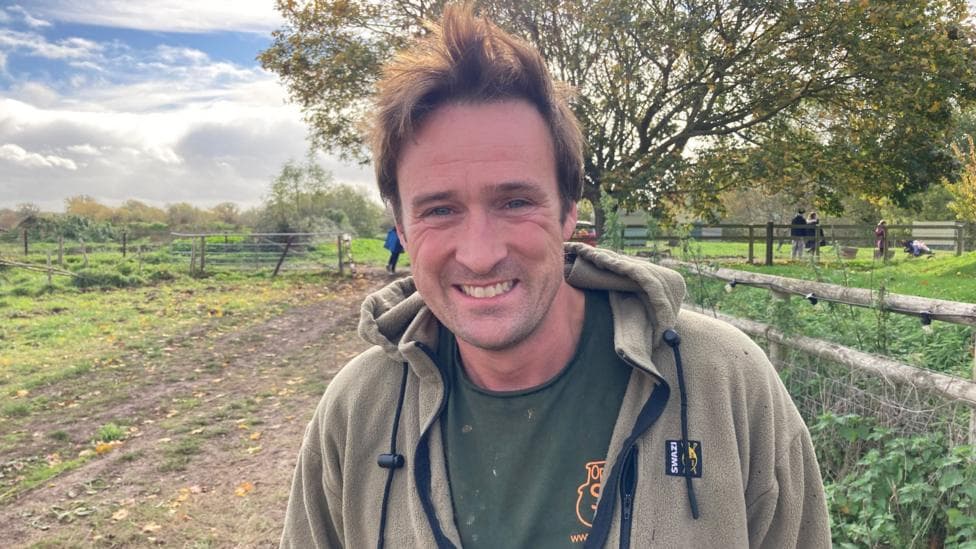
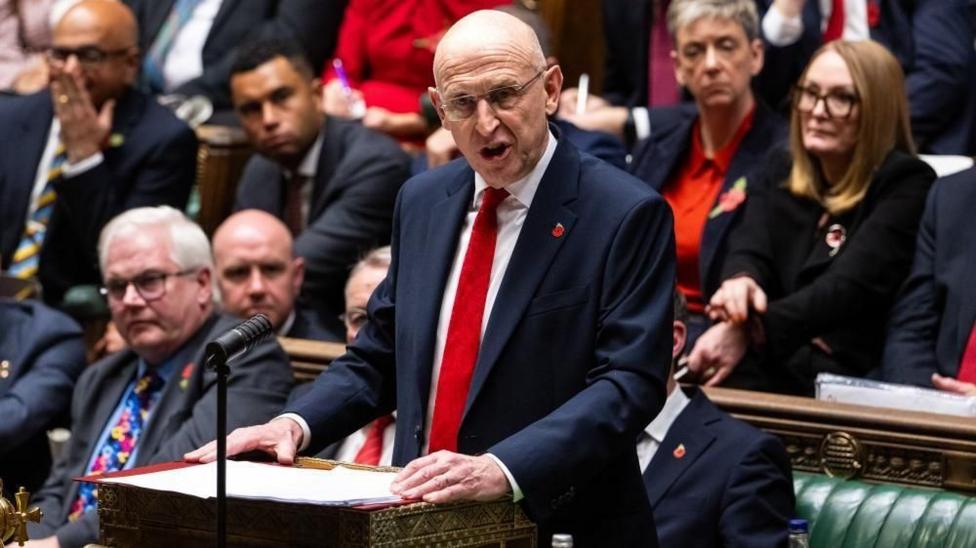
A Worcester farmer has criticised the minimum wage increase unveiled in the Budget, describing it as a "massive blow" for enterprises like his that rely on low-wage workers. According to BBC News, the 3.9% rise was confirmed by Chancellor John Healey during his speech in the House of Commons on Wednesday.
The increase forms part of a broader package of measures Healey said was designed to ease cost-of-living pressures by offering households "breathing space". However, Tristan Bennett, who operates Bennetts Farms in Worcester alongside a glamping site and cafe, expressed frustration that the Budget amounted to "a lot of tinkering and gimmicks" without anything "substantial" to support struggling businesses.
Bennett said the wage rise would create particular hardship for his cafe and hospitality operations, and for young workers he hoped to employ.
"That's going to have a massive blow, especially for the cafe side and hospitality, and a lot of the young people,"he told BBC Hereford and Worcester.
"We are trying to take on apprentices on the farm but we're finding it so hard now to make it pay."
The new National Living Wage for workers aged 21 and over will rise to £13.21 an hour from 1 April 2027, while the rate for 18-to-20-year-olds will be £11.27. This two-tier structure represents a departure from Labour's earlier pledge to remove age-based wage bands, leaving a significant gap between the two rates.
Will the business rates relief help?
Bennett acknowledged that an increase in the small business rate relief threshold from £12,000 to £18,000 would provide some assistance to the glamping side of his operation. However, he expressed disappointment that the government had not extended VAT relief to the broader hospitality sector.
"They did it for the pubs,"he said.
"We were hoping they would have been able to help the rest of the hospitality industry but sadly not."
The Budget does include 20% additional business rates relief for qualifying pubs, social clubs and most live-music venues, bringing their total relief to 35% in 2027/28 and 2028/29. The government states that around half of qualifying retail, hospitality and leisure properties in England will pay no business rates under the new thresholds of £18,000 for full relief and £21,000 for tapered relief.
Bennett's frustration extended to Labour's overall approach.
"I'm just completely despondent, really, about the political class and what they're failing to achieve."He questioned why the government, with its substantial parliamentary majority, had not tackled deeper structural problems facing businesses.
"If you can't do it with that thumping majority, how else can you do it?"
His concerns reflect broader dissatisfaction among small business owners. Small business owners in Wolverhampton have similarly said the Budget fails to address their rising costs, with butchers, plasterers and chip shop owners citing energy bills and employment costs as major concerns. Hospitality business owners in Greater Manchester have expressed scepticism over the government's plan to remove import tariffs on over 100 food products, arguing that VAT cuts and employer cost relief would provide far greater support.
What about other small retailers?
Rachel Buchanan, co-owner of Elderwood Books in Brampton Bryan, Herefordshire, is currently challenging the business rate valuation of her premises. She explained that her current rate exceeds £18,000, but if her challenge succeeds, her business would fall below that threshold, which would provide relief.
"We're in an area subject to flooding. Tourists come or don't come, so if we have a quiet week in the winter, those business rates still have to be paid,"she said.
"Having a much lower, or preferably zero, bill would make a massive difference."
Buchanan described a VAT reduction as a "lovely dream" but did not expect such a measure to feature in the Budget, which she characterised as "tinkering around the edges".
"I didn't expect any big changes,"she continued,
"and here we are back to being reliant on ourselves and making sure we have customers coming through the door to pay those bills."
The concerns raised by both Bennett and Buchanan align with warnings issued before the Budget announcement. Devon business leaders called for cuts to employer National Insurance contributions and VAT relief for hospitality ahead of the Budget, warning that rising employment costs are preventing job creation and expansion. A Michelin-star chef in Birmingham also argued that a business rates cut for pubs and venues will not fix the pressures facing independent restaurants.
When do the changes take effect?
The new minimum wage rates will come into force on 1 April 2027. The business rates relief thresholds are scheduled for review at the 2029 revaluation, meaning the current £18,000 and £21,000 figures may change in the coming years.