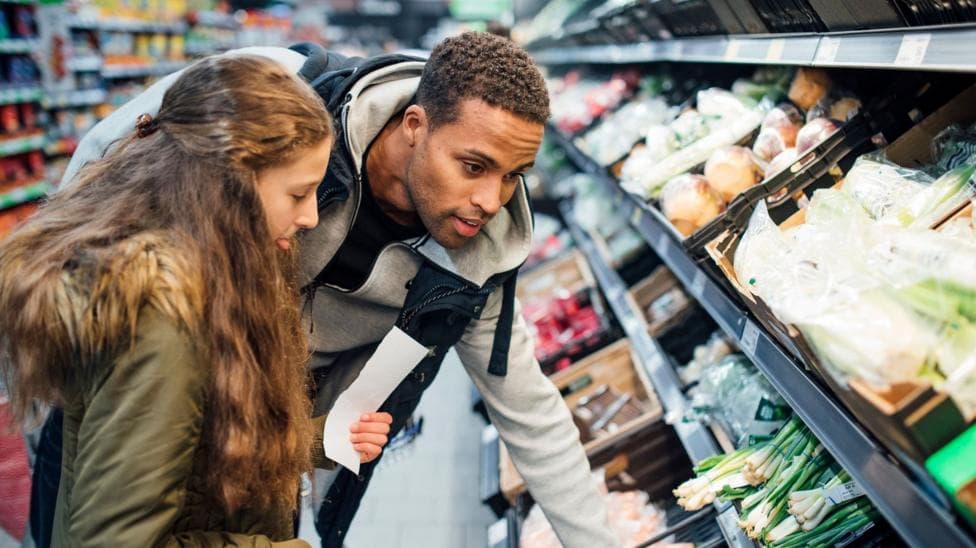
The government's plan to remove import tariffs on more than 100 food products has drawn scepticism from hospitality business owners in Greater Manchester, who argue that the measures fall short of what the sector genuinely needs. According to BBC News, the Treasury estimates the typical household will save about £21 annually on their food bill, but restaurant and café operators say targeted support such as VAT reductions or employer cost relief would deliver far greater benefit.
The tariff removals, confirmed by the Chancellor in the 28 October Budget, affect items including garlic, gherkins, aubergines, sweet peppers, olives, avocados, green tea, quinoa, tomato ketchup, soups and broths, according to the Liverpool Echo. The government's £21 annual household saving estimate combines these new tariff changes with suspensions introduced in June; Business Secretary Jonathan Reynolds said the combined measures could save around £500m a year.
Why are restaurant owners unconvinced?
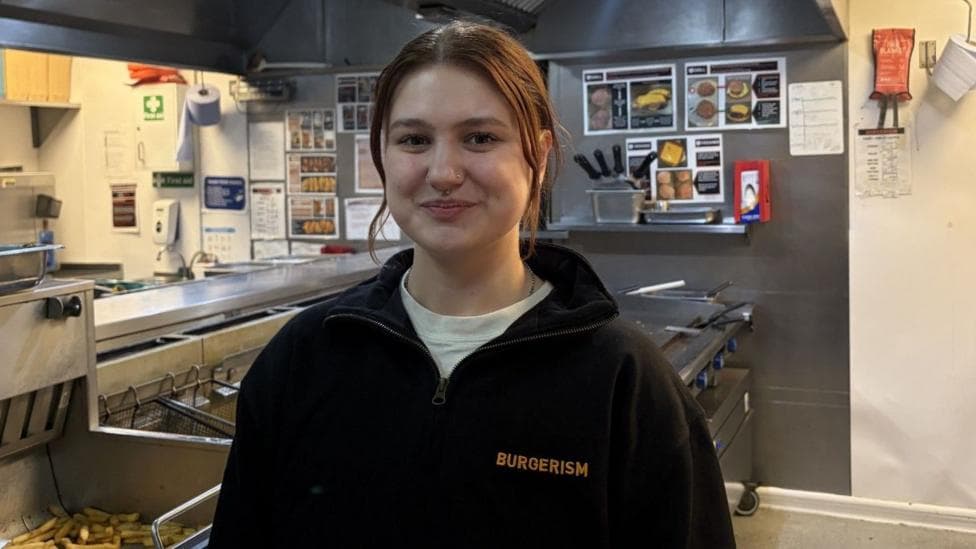
Morgan Austin, operations manager at burger chain Burgerism, which operates six main locations and first opened in Salford in 2018, acknowledged that removing tariffs on gherkins would help her business.
Really appreciate the gherkins - that is fantastic for us,said the 26-year-old. However, she stressed that the hospitality sector needed more substantial intervention. She pointed out that increases to the minimum wage and employer National Insurance Contributions announced in the previous Budget had cost Burgerism approximately £150,000 annually.
We're not a massive business. That is a big hit to us, and that could be a whole new site for us. We would love to open more sites, have more jobs going for people, hire new young people, but things like that make it really difficult sometimes,Austin explained. She argued that the tariff changes did not adequately support medium-sized businesses seeking to expand, and suggested that VAT relief would have been far more valuable.
Which products would make a real difference?
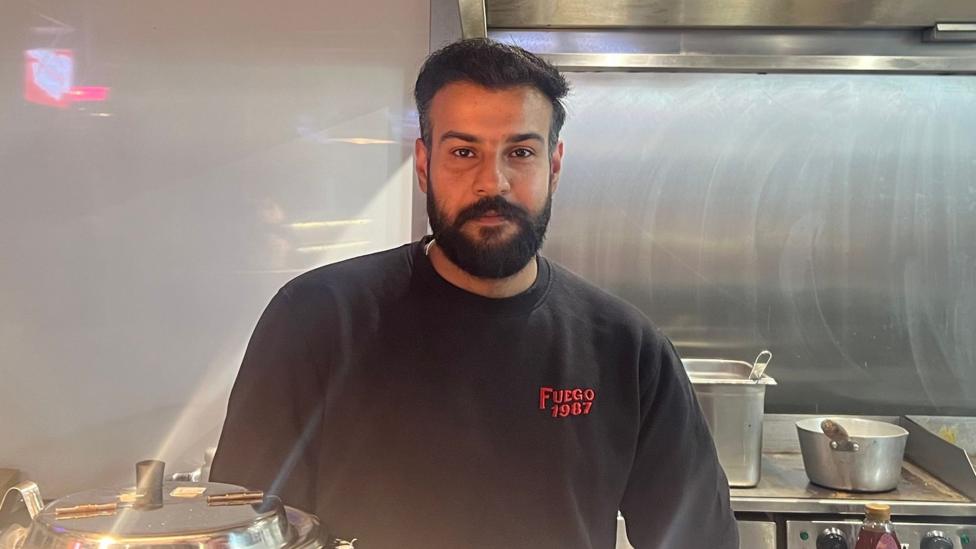
Hassan Zahid, who operates American-Mexican fusion street food business Fuego 1987 in Manchester, contended that the tariff removals would have only a
really minorimpact on his operation. He argued that reducing tariffs on bulk raw ingredients such as meat and chicken would have been substantially more effective than cuts on items like garlic.
Gavin Williams, co-owner of Mattina coffee shop in Salford, Greater Manchester, expressed frustration with the scope of the measures.
I think it's a classic Andy Burnham style - we're going to do loads to help you out, but actually, when you look at the fine detail, the impact is nothing,he said. Williams noted that although Mattina uses significant quantities of plant-based milk, the tariff changes would provide no benefit to his business because his suppliers are UK-based and therefore exempt from import tariffs.
Our almond milk comes from Southport, which is a few miles down the road. Our oat milk comes from Milton Keynes. So, we already produce these goods in the UK. The tariff doesn't include import goods on the raw ingredients. So, what difference is it going to make? Zero,Williams explained.
What support would actually help?
Multiple business owners emphasised that VAT reduction would deliver substantially greater benefit than tariff removals. Williams argued that the cumulative effect of rising costs across multiple areas had become unsustainable for independent operators.
You can't keep increasing the minimum wage, increasing National Insurance Contributions, increasing pension contributions, increasing business rates, increasing energy, increasing everything, and not give us something back. It's getting harder and harder and harder to just maintain opening a business,he complained.
The Budget did include some hospitality support beyond tariff removals. The business-rates relief threshold was raised from £12,000 to £18,000, meaning 17,000 small businesses would no longer pay rates. This builds on earlier government action: in July, pubs, clubs and live music venues in England were granted a 20% business rates cut from April, with the government estimating savings of around £1,100 per venue in the following year. However, hospitality sector representatives have continued to press for permanent VAT relief rather than temporary schemes, arguing that such measures would deliver more meaningful long-term support.
What happens next?
Businesses will have the opportunity to propose new tariff suspensions or comment on existing ones from 11 November 2026 to 3 February 2027, according to Deloitte's tax analysis. More than 250 existing tariff suspensions, due to expire on 31 December 2026, have been extended until December 2028. The new tariff removals have no announced implementation date.