Firms across Devon are pressing the government to ease the financial burden of taking on new staff, with business leaders warning that rising employment costs are preventing expansion and job creation ahead of BBC News coverage of the Budget scheduled for Wednesday 28 October. A publisher from Tavistock said he was unable to fill two vacant positions because of the expense involved, while other business owners described struggling for two years under the weight of increased employer National Insurance contributions and wage rises.
Chancellor John Healey will set out his fiscal plans on 28 October, though he has declined to rule out further tax increases, citing government borrowing costs at historically elevated levels. The calls from Devon's business community reflect broader concerns about the sustainability of current employment-related taxes introduced in 2024.
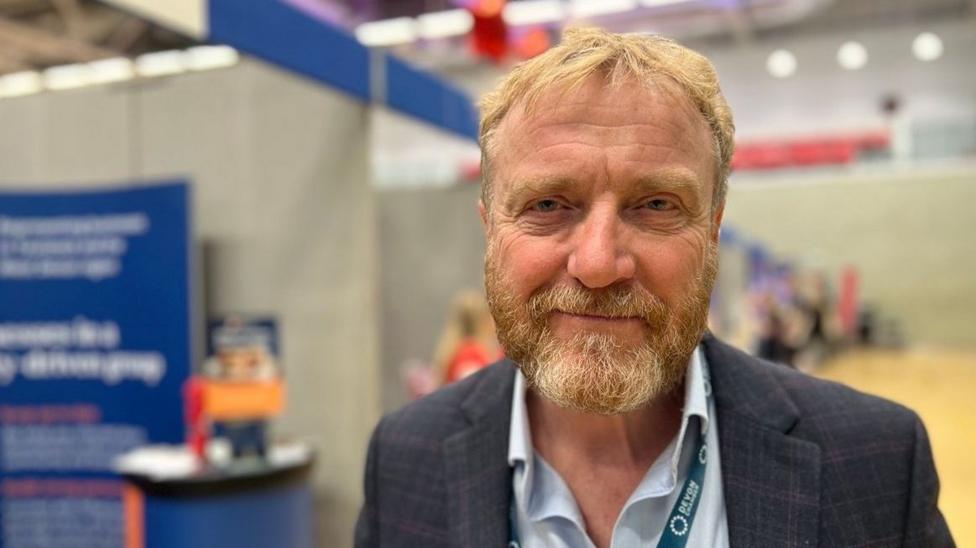
At the Devon Business Show, held by Devon Chamber of Commerce at the Plymouth Life Centre, business owners outlined their specific grievances. Tim Randell, who runs Links Publishing, explained that policy changes would unlock his ability to expand his workforce. He stated:
"All we've had for the last two Budgets is more tax, more expense, the living wage, and all those things mean that people like me are not employing the young. I have two positions that I could fill, want to fill, want to expand and grow my business, but I'm holding back because of the employment costs."
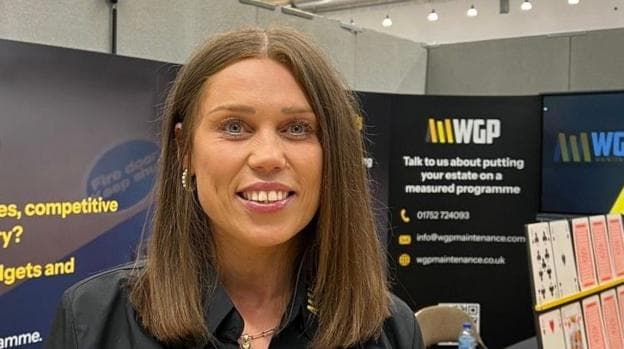
Michelle Bunker, from WGP Maintenance in Plymouth, delivered a direct message to the chancellor:
"I want to see National Insurance contributions starting to go down."Her call reflects the frustration felt across the sector following the 2024 Budget, when former Chancellor Rachel Reeves announced that companies would pay National Insurance at 15% on salaries above £5,000 from April 2025, up from 13.8% on salaries above £9,100. The legal minimum wage for workers aged 21 and over also increased from £11.44 to £12.21 per hour from April 2025, compounding the pressure on payroll budgets.
What support already exists for businesses?
The government has introduced some relief measures, though business leaders argue they do not go far enough. The Treasury currently offers employer National Insurance contributions relief when hiring under-21s and apprentices under 25. Additionally, the 2025 Budget extended employer National Insurance relief for hiring qualifying veterans for two years, from April 2026 to April 2028, with eligible employers paying no employer National Insurance contributions on those veterans' earnings up to £50,270 in their first year of civilian employment. Furthermore, the 2025 Budget introduced permanent lower business-rates multipliers for retail, hospitality and leisure properties, benefiting more than 750,000 properties from April 2026.
Kevin Miller, boss of Apex HR in Plymouth, emphasised the importance of small businesses to the broader economy. He said:
"We need to reduce the cost of employing people because we're all passionate about really wanting to build this economy and grow it - so help us out with some tax relief please..."
How is the hospitality sector affected?
The hospitality and catering industries, which employ tens of thousands across Devon, have been particularly vocal in their demands. Business leaders in this sector have long campaigned for a reduction in VAT for pubs and restaurants from 20% to 10%, a campaign spearheaded by celebrity chef Tom Kerridge. Melanie Williams, events manager at the Duke of Cornwall Hotel in Plymouth, said:
"I think people's financial pockets are strained and any support we can be given from the government within the budget has got to benefit everybody in the industry - VAT perhaps to be revisited again."
Pete Adams, general manager at the Moxy Hotel in Plymouth, joined calls for a VAT cut in the hospitality sector. He explained:
"That would allow us to pass some of those savings on to the customer. That will then hopefully increase more customers into our businesses and extra spending and that'll give the Treasury almost as much money as before."
What impact is the cost of living crisis having beyond business?
The financial pressures affecting the broader economy are not limited to commercial enterprises. Elsbeth Hallam, from Plymouth-based Hugs Children's Cancer Charity, which supports families with children diagnosed with cancer, described how the cost of living crisis is constraining charitable fundraising. She said:
"People are definitely being tighter on what they're spending their money on. For us, obviously it does have a run-on effect then on what we can raise and how many families we can support."
What are business leaders asking for?
Helen Wylde-Archibald, chief executive of Devon Chamber of Commerce, expressed the sentiment of the business community gathered at the show. She said:
"I think what we just need is that soft touch with the Budget so that businesses get the chance to grow and I think Devon will be right at the front of the pack."
A spokesperson for HM Treasury responded to the concerns, stating:
"The chancellor is giving firms the breathing space to invest and grow, with business rates cuts, a cap on corporation tax, £4.3 billion of support to limit bill rises, and employer National Insurance contributions relief when hiring under-21s and apprentices under 25. As has always been the case, decisions on tax are a matter for the chancellor to set out at fiscal events, rather than routinely commenting on rumour, speculation or proposals."
What happens next?
Chancellor John Healey is scheduled to deliver the 2026 Budget on Wednesday 28 October at approximately 12:30pm. The Commons Library will publish a Budget summary that evening, allowing businesses and the public to assess whether the government has responded to the concerns raised by Devon's business community.