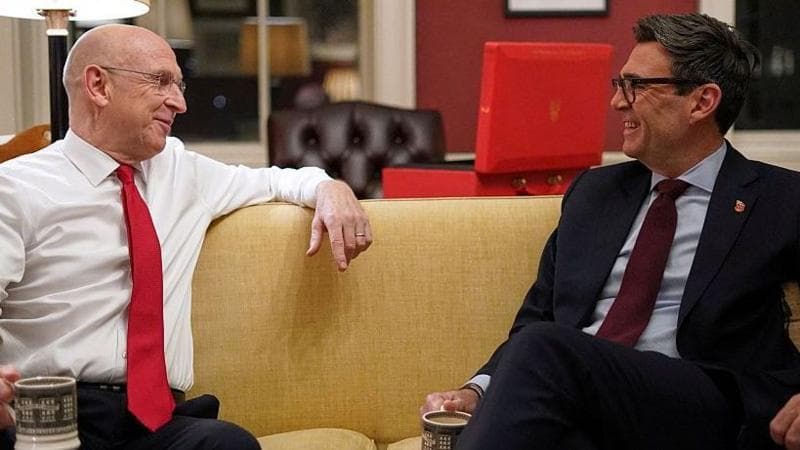
Chancellor John Healey delivered his first budget on 28 October 2026 under Prime Minister Andy Burnham's leadership, introducing measures designed to reduce energy bills through a windfall tax on financial institutions. Healey framed the package as essential preparation to withstand "global economic storms" that are pushing energy costs upward. According to The Guardian, money and consumer editor Hilary Osborne and economics editor Heather Stewart answered reader questions about the budget's implications for household finances and the broader economy.
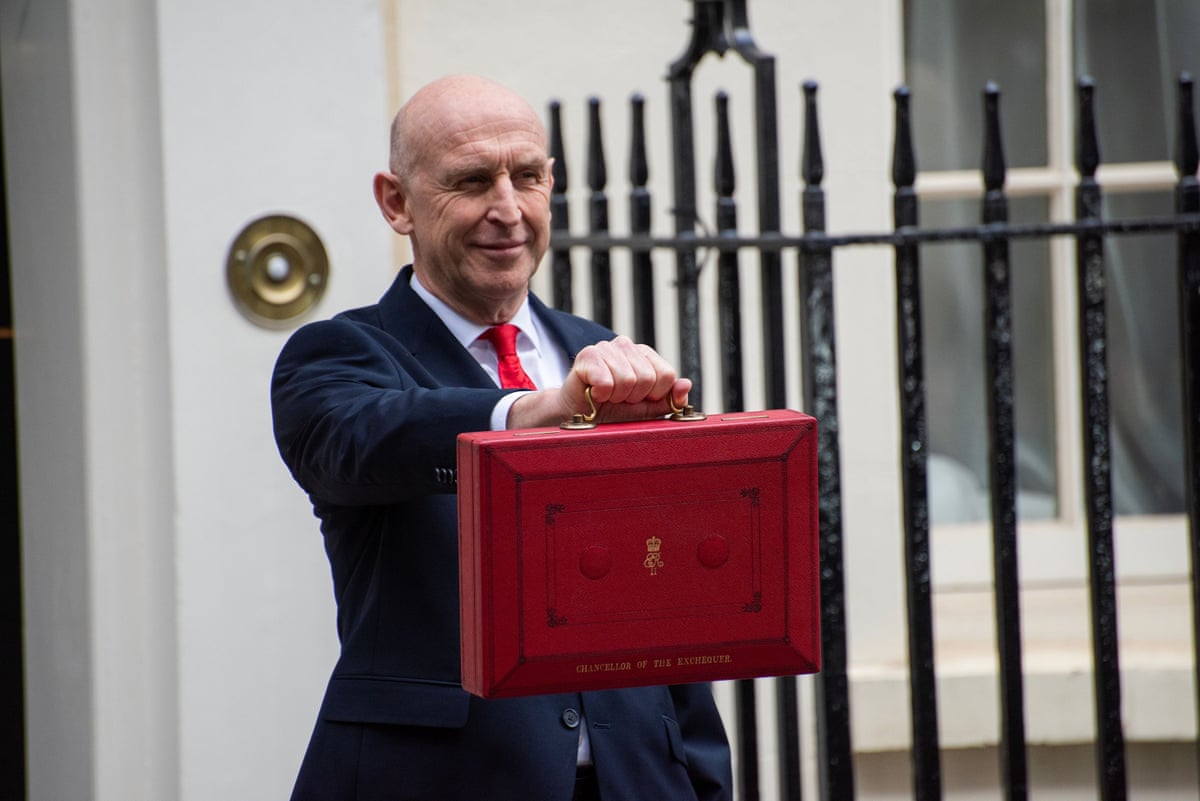
The budget announcement raised fundamental questions about whether Healey's approach signals a genuine shift in economic policy or represents incremental adjustments constrained by existing fiscal commitments. The relatively modest scale of the bank levy prompted debate about whether the government is working within self-imposed borrowing restrictions that limit more ambitious intervention.
What does this budget mean for the economy?
Healey's fiscal statement arrives at a moment of relative economic strength. Earlier in October, data showed the UK economy expanded 0.1% month-on-month and 2.1% year-on-year, exceeding forecasts and suggesting underlying resilience in growth. This backdrop informed Healey's characterisation of the budget as protecting economic stability amid international headwinds. However, the government has faced mounting fiscal pressures, with seven major constraints including manifesto tax pledges, defence spending targets, and welfare reform demands shaping the scope of available measures.
How will energy bills be affected?
The centrepiece of Healey's budget centres on energy bill relief funded through taxation of the banking sector. The windfall tax mechanism aims to transfer resources toward household energy costs, though the precise scale of bill reductions and their duration remain subject to implementation details and market conditions.
What happens next?
The budget represents the opening statement of Labour's fiscal strategy under Burnham's premiership. Early cost-of-living policies signal the government's priorities across taxes, energy, transport, housing and social care, with further announcements expected as specific programmes move toward implementation.