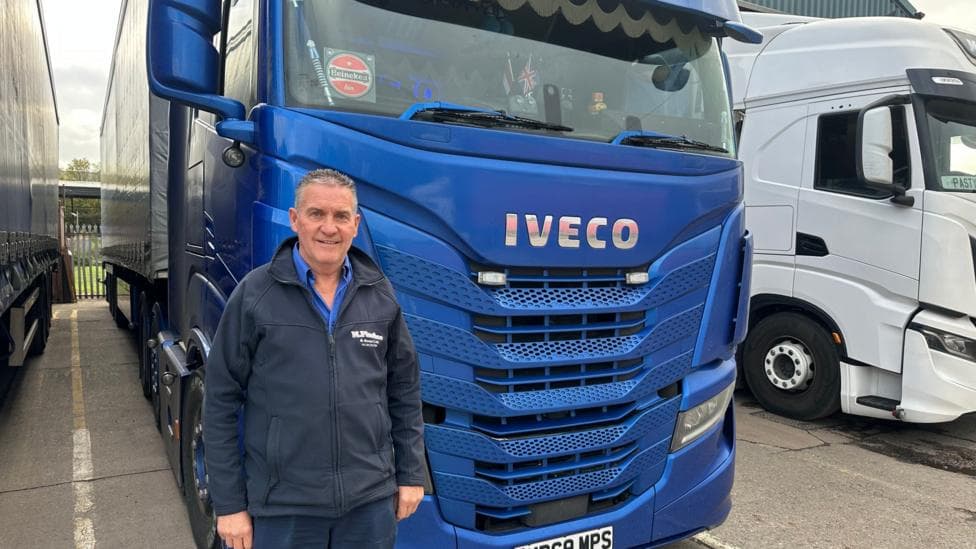
Small business owners across Wolverhampton have expressed frustration that the government's latest Budget does little to address their mounting costs, despite measures aimed at households and broader economic support. According to BBC News, butcher Kevin Evans, plasterer Glen Gandy, and chip shop owner Lutfu Efe all said the tax and spending plans announced by Chancellor John Healey on 28 October 2026 fail to tackle the pressures facing their enterprises.
While the Budget included a one-off £100 payment for up to 20 million households in council tax bands A-D in England, a 3.9% rise in the legal minimum wage from April, and a new flat-rate state pension increase of £488 a year under the triple lock policy, business owners say these measures do not address their core concerns. The government has also announced that from April 2027, qualifying retail, hospitality and leisure businesses in England will receive 100% Small Business Rate Relief at rateable values up to £18,000, up from £12,000, with the tapered-relief threshold rising from £15,000 to £21,000, a package expected to take around 70,000 additional retail, hospitality and leisure businesses out of rates while freezing bills in real terms for the sector for two years.
What are business owners saying?
Evans, who runs a butcher's shop, said the rising cost of energy is his biggest concern.
The electricity is a killer, it's a big one, it's mega money. It's just out of control now,he told BBC Radio WM. He pointed to the impact on his products, noting that six sausages that cost £1.50 last year now cost around £2.50. Evans added that he cannot afford to hire additional staff because of rising National Insurance and minimum wage costs.
I would love to take another person on but I can't afford to because National Insurance and the minimum wage keep going up. I might as well just do the hours myself. You have less time at home. I don't get a day off now. It's not feasible, it comes out of my pocket which is already being emptied. It doesn't benefit you to be a businessman in this country anymore.
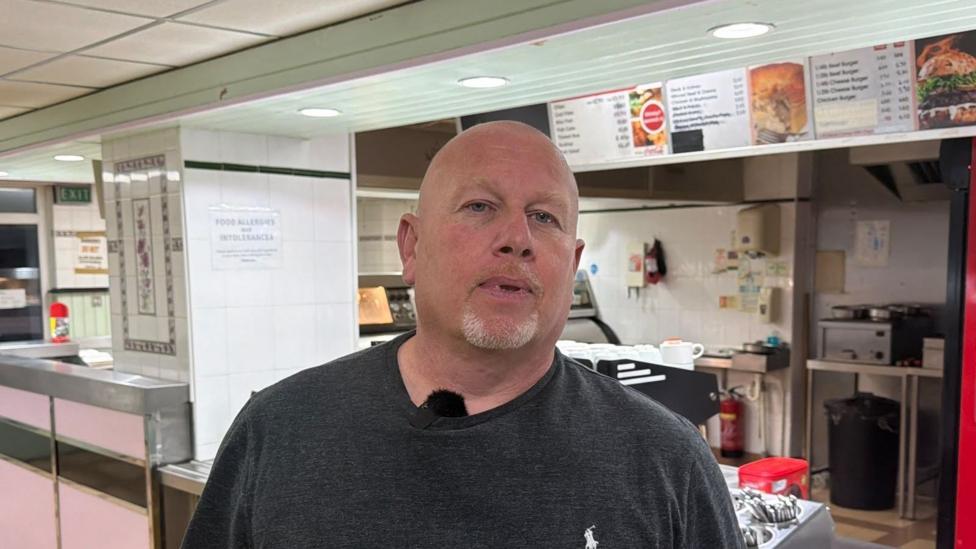
Gandy, a plasterer, echoed similar concerns about the inability to expand his workforce or manage rising material costs.
There is nothing in the new Budget that will help my business,he said. He acknowledged that the 3.9% minimum wage increase benefits younger workers but argued it would push more experienced staff out of employment.
Minimum wage up by 3.9% is good for kids, but you're going to employ someone with more experience if you have to pay them extra anyway, so it will push people out of work.The father-of-two revealed that his business has frozen wages for two and a half years to absorb costs, and he spends around £350 a week on fuel travelling around Wolverhampton.
We haven't put our wages up for two and a half years to absorb the costs, but there is nothing you can do about the materials. I pay around £350 a week on fuel just going around Wolverhampton. It costs us a fortune.
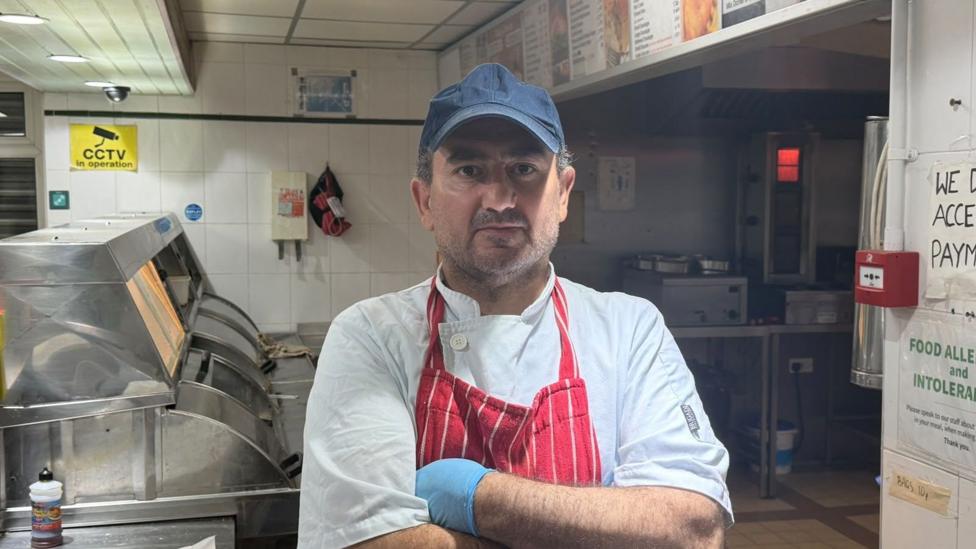
Efe, who operates a chip shop, faces even steeper energy bills. He now pays nearly £800 a month for electricity and £600 a month for gas, compared to around £300 a month several years ago.
This is why we are struggling. Many years ago it was around £300, but it has sky-rocketed. It's not just me, everyone is in the same boat. Everything has gone up. We have two options: the government helps us or we have to close down. There is nothing in this Budget to help me.
What support is the government providing?
The Budget includes several measures intended to ease business and household costs. Standing charges, the fixed daily fees customers pay regardless of usage, will be removed from gas bills for households across England, Scotland and Wales. The VAT cut on electricity bills has been extended until July. Import taxes are being removed on more than 100 food products, including gherkins and marmalade, as well as kerosene and fertilisers. Before the Budget, the government announced plans to cut red tape and extend tariff suspensions, saying the changes could save businesses almost £800 million a year.
Beyond these immediate measures, the Budget announced a £5 billion increase in the British Business Bank's financial capacity, including £450 million for a new venture-debt product for growing firms.
How are households responding?
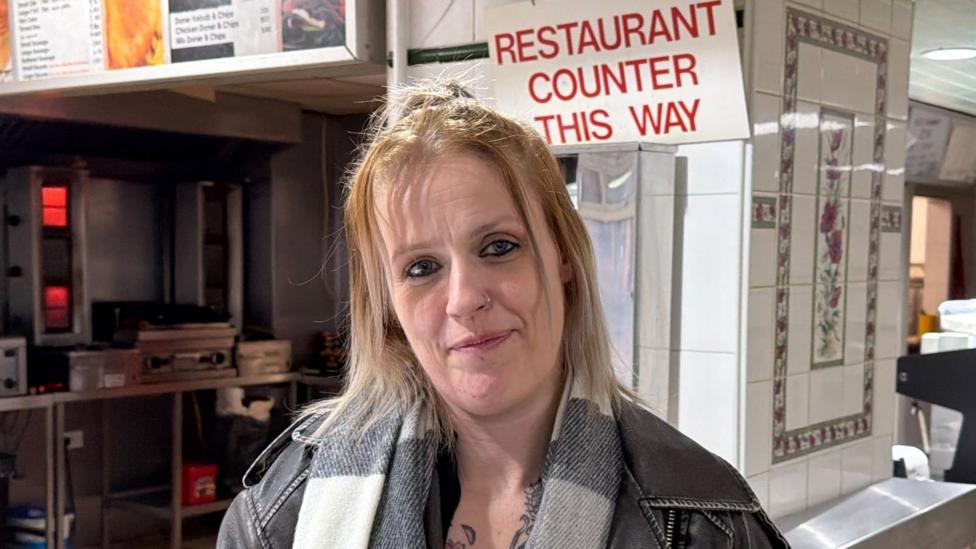
Gwyneth Totney, a mother of six, welcomed the one-off £100 payment but said it provides limited relief.
It will help but not much, it will cover about two weeks of gas and electric,she said. Her weekly grocery bill has risen from about £100 to about £130 a week, prompting her to shop at butchers for meat as it is cheaper than supermarkets. While her family continues to enjoy pizza night and home cinema nights, she said taking all the children to the cinema is now prohibitively expensive. Reflecting on the Budget overall, she said:
It feels like they are trying to bring the cost of living down, but they are not actually doing it.
What happens next?
The small business rate relief improvements and the two-year real-terms business-rates freeze are scheduled to take effect from April 2027, meaning the measures announced in the Budget will not provide immediate relief to struggling business owners in Wolverhampton and beyond.