Bereaved families will no longer face unexpected tax bills on civil service pension lump sums delayed by administrative backlogs, following a policy change announced in the Budget on 28 October 2026. According to BBC News, the government has removed the two-year deadline that previously made delayed payments taxable, addressing a crisis affecting thousands of grieving households.
The change applies to qualifying lump-sum death benefits where the deceased member died before age 75. Under the government's updated guidance, payments made on or after 28 October 2026 will no longer become taxable solely because more than two years have passed since the pension scheme was notified of the death, whether the recipient is an individual, a trust or the deceased member's estate.
The Civil Service Pension scheme manages pensions for 1.7 million public sector workers across the UK. Outsourcing firm Capita took over administration from MyCSP in December 2025, inheriting a backlog exceeding 86,000 cases. Despite a two-year transition period, the backlog had grown to 120,000 cases by February 2026, leaving retired civil servants and bereaved families waiting months for payments and struggling to meet bills.
Why was the two-year rule causing problems?
Under the previous tax rules, certain lump sum pension payments had to be distributed within two years of the pension scheme being notified of a death to remain tax-free. Campaigners warned that families could face unfair financial penalties for delays beyond their control. As of 30 September 2026, 1,643 outstanding bereavement or death-in-service cases were more than 100 days old, with the Cabinet Office previously stating only a small number were approaching the two-year threshold. However, the PCS union representing civil servants raised serious concerns about how long cases would remain unresolved.
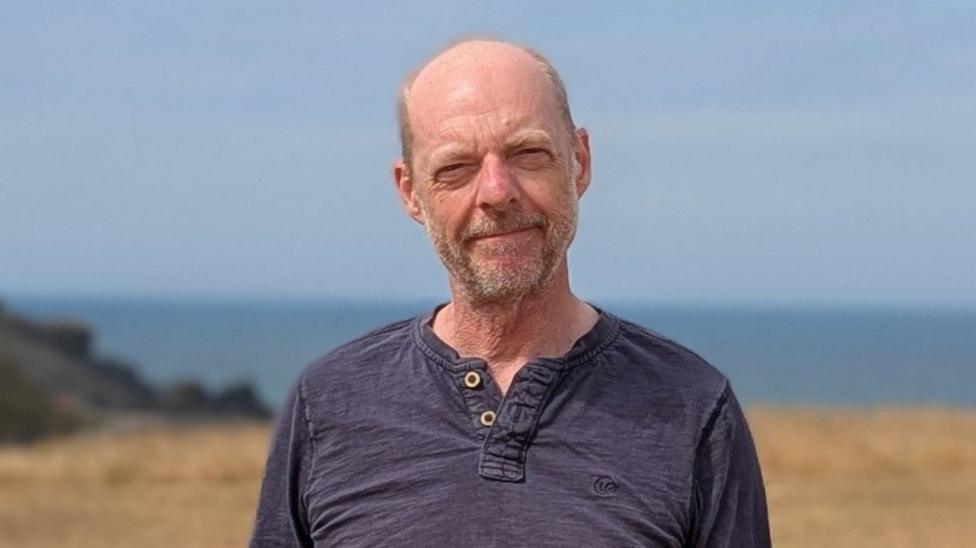
Rob Wassell, 58, experienced the impact firsthand. After waiting more than two years following his brother's death, he finally received the lump sum pension payment on Tuesday—but it was taxed at 45%, costing him thousands of pounds. Following BBC coverage of his case, the pension scheme's complaints department contacted him to confirm the payment was on its way.
If the payment was made after the rule change, it would not have been subject to tax.Wassell told the BBC he welcomed the government's Budget decision, which would protect others from facing similar tax bills.
While he said he was happy to finally get his payment it was "a bitter pill to swallow" as he is now waiting for the outcome of a complaint review to find out if the tax will be reimbursed.
What does the rule change cover?
Pension scheme administrators have been instructed to stop deducting tax solely because a qualifying payment is made after the two-year period, effective from 28 October 2026. The change applies to qualifying benefits where the member died before age 75 and covers both lump-sum death benefits and beneficiary annuities. Importantly, the removal of the two-year deadline does not remove tax where the deceased's available lump-sum and death-benefit allowance is exceeded.
Pensions Minister Torsten Bell confirmed the rule change in a letter to Conservative MP Sir Geoffrey Clifton-Brown, chairman of Parliament's Public Accounts Committee, who had raised concerns after the issue was highlighted by BBC Radio 4's Money Box Live programme.
Bell said the move would "make the position fairer for all grieving families and friends where there are delays in the payment of death benefits, whether in the Civil Service or any other pensions scheme".He added:
"Removing the tax deadline does not remove [a pension scheme's] wider duties to administer schemes prudently and without avoidable delay."
The government says the change will reduce administrative burdens on bereaved households and remove time pressure during probate and other estate administration.
What compensation is available for those already affected?
People who have already been impacted by avoidable delays and taxed as a result can seek compensation through the pension scheme's complaints process and the Pensions Ombudsman. However, the Pensions Ombudsman has warned that standard complaints are likely to take 18 months to resolve, creating additional uncertainty for families already facing financial hardship.
Rob Wassell expressed cautious optimism about his own case.
Rob said he was hopeful he would get the money back, adding: "I don't want to have to fight it anymore, it's been an ordeal already."
What are stakeholders saying?
Sir Geoffrey welcomed the announcement but emphasised that it does not
"absolve Capita from processing and making payments to members of this scheme in a timely manner".Fran Heathcote, general secretary of the PCS union, also welcomed the change but stressed:
"This situation should never have arisen in the first place. Bereaved families must not pay the price for failures in the pension system. Capita is not off the hook, it continues to fail members and their families, which is why the scheme must be brought back in-house."
Capita has previously apologised for the impact of delays on pension scheme members and their families. The company has stated it is working to resolve outstanding cases as quickly as possible, with particular focus on people who have been waiting longest and those facing financial hardship or challenging circumstances. The Cabinet Office's 5 October recovery update noted that Capita had shared 50 of its oldest bereavement cases with a Department for Work and Pensions surge team for investigation, with cases to return to Capita for payment once queries are resolved.
What happens next?
The government plans to legislate for the change in Finance Bill 2026–27, cementing the policy change in law. The rule change represents a significant shift in how pension death benefits are treated, removing a source of unexpected financial hardship for grieving families navigating complex pension administration during an already difficult time.