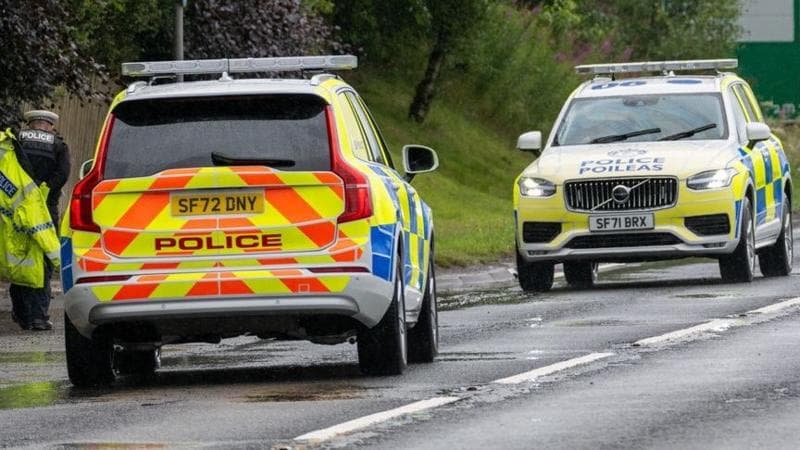
The final roads policing department serving the Scottish Borders has ceased operations, with all traffic officers relocated to Midlothian. This marks the end of nearly six decades of dedicated traffic enforcement based in the region, which spans approximately 2,000 miles of public roads.
Police Scotland stated that the relocation would maintain patrol coverage across the Borders. However, Brian Jones, vice-chair of the Police Federation, expressed strong criticism of the decision, noting it proceeded without consultation with officers or their representatives.
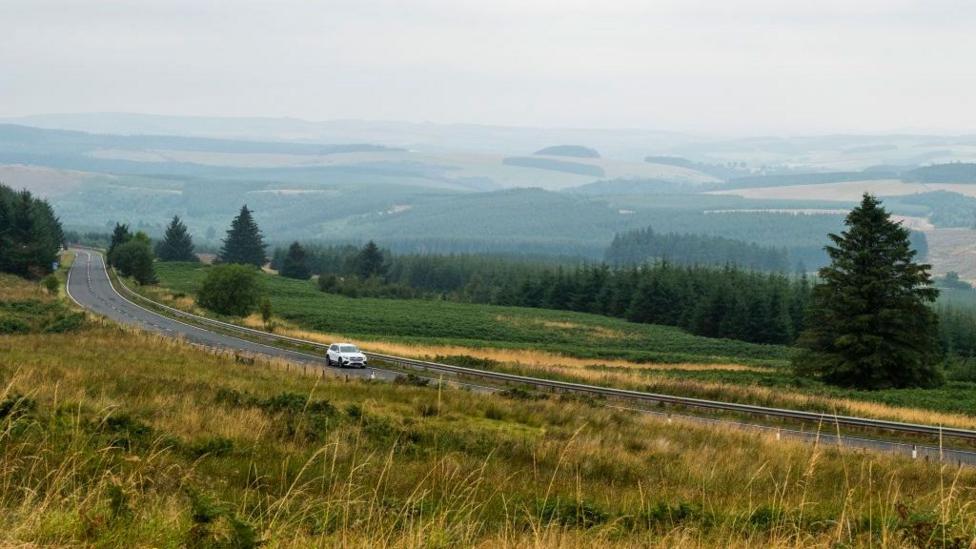
It's a very sad day that we're now seeing the closure of the last roads policing department in the Borders after being present for nearly 60 years.Jones, who previously oversaw a traffic department for the Lothian and Borders region before the 2013 creation of Police Scotland, highlighted the scale of the change. His former department consisted of three sergeants and 20 constables.
What services are being lost?
The removal of dedicated traffic officers eliminates specialized road safety initiatives and cross-border crime prevention that had been central to policing in the region. Officers previously conducted joint operations with police forces in Northumberland and Cumbria, targeting travelling criminality and road safety hazards affecting young drivers and motorcyclists.
The closure represents the final stage of a gradual withdrawal. Policing bases in Galashiels and Hawick were shut during the previous decade, with the last remaining depot at Duns station closing on 31 August. According to Scottish Borders Council records, the Duns facility had been retained following the earlier closure of Dunbar Police Station to maintain specialist coverage on the A1 and strengthen cooperation with police in north England.
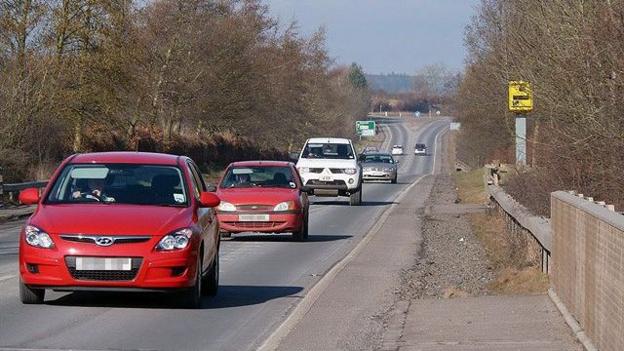
Jones elaborated on the operational impact:
We don't have that interaction in the road network like we used to, where we carried out multiple road checks with multiple agencies addressing road safety and travelling criminality.He emphasized that the Borders now has 2,000 miles of roads without any traffic police base.

How will patrols operate going forward?
Traffic officers will now be stationed in Dalkeith, Midlothian, requiring them to travel significant distances to reach their patrol areas. The four officers previously based in Duns, along with traffic police from East Lothian, have been transferred to the Midlothian station. This arrangement means many roads policing officers now face journeys of up to an hour to reach their base before beginning their shifts.
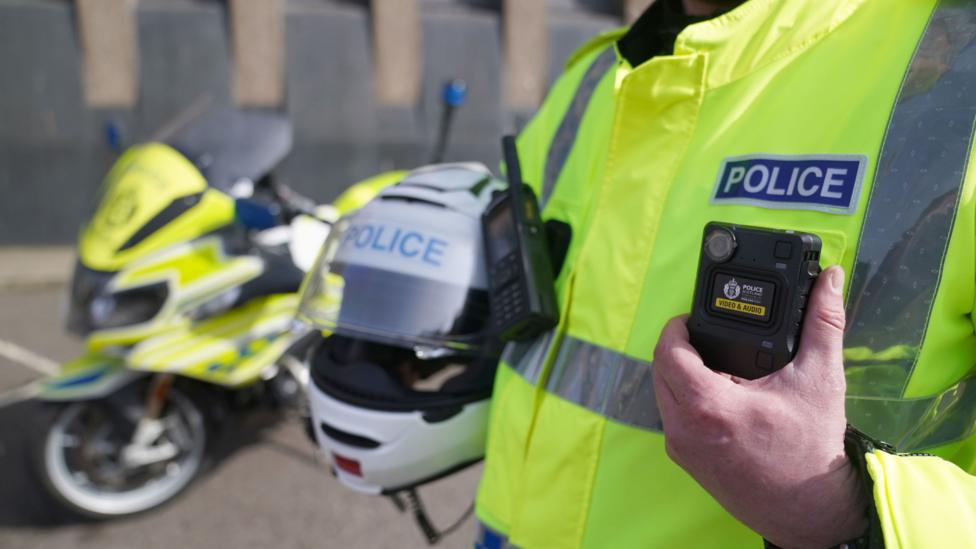
Superintendent Andy Barclay, deputy head of road policing, stated:
We have previously outlined the need to implement a sustainable model for road policing across the country. Road policing officers will continue to operate in the Scottish Borders and provide a visible presence to keep the roads safe.Police Scotland attributed the restructuring to ongoing funding pressures.
What are the welfare concerns?
Officers face significant commuting burdens that raise occupational health issues. The requirement to travel to and from Dalkeith before and after shifts—particularly following night shifts—creates fatigue risks. Jones noted:
They're going to have to travel to and from Dalkeith before and after their shift, so there's a huge welfare concern here, which I know senior officers are looking at.He referenced past incidents involving exhausted officers driving home after night shifts, underlining the seriousness of the concern.
The Police Federation has written to politicians in the Borders and traffic police commanders to raise these welfare and operational concerns.
What is the broader context?
The Duns closure is part of a wider pattern of police service reductions across Scotland. The closure follows the 2013 merger of eight regional police forces into Police Scotland, which has involved multiple rounds of station closures and service consolidation. Recent incidents in the region underscore the challenges posed by reduced local policing capacity: a fatal three-vehicle crash on the A68 near St Boswells in September 2026 highlighted the dangers on major routes now without dedicated local traffic enforcement.
The Scottish government responded to criticism by citing record funding of more than £1.7 billion for policing and confirmation from the chief constable that officer numbers would be maintained at 16,500. A government statement noted:
Scotland continues to have more police officers per capita than England and Wales, and recorded crime has fallen by almost half since 1991.The statement added that
A single police service ensures that local divisions can access resources and specialist expertise as required at regional and national level.
However, this argument does not address the specific operational challenges created by removing dedicated local traffic policing infrastructure. According to Scottish Borders Council scrutiny documents, the previous retention of Duns was justified precisely because centralized policing models required maintaining specialist coverage on key routes like the A1. The removal of that base now eliminates that coverage entirely.
Key facts
- The Borders has approximately 2,000 miles of public roads with no dedicated traffic police base for the first time in nearly 60 years
- Four officers from Duns and additional officers from East Lothian are now based in Dalkeith, requiring commutes of up to an hour to reach patrol areas
- Previous traffic departments conducted joint operations with police in Northumberland and Cumbria targeting cross-border crime and road safety
- Police Scotland cited funding pressures as the reason for the restructuring, while the Scottish government emphasized record policing investment and maintained officer numbers