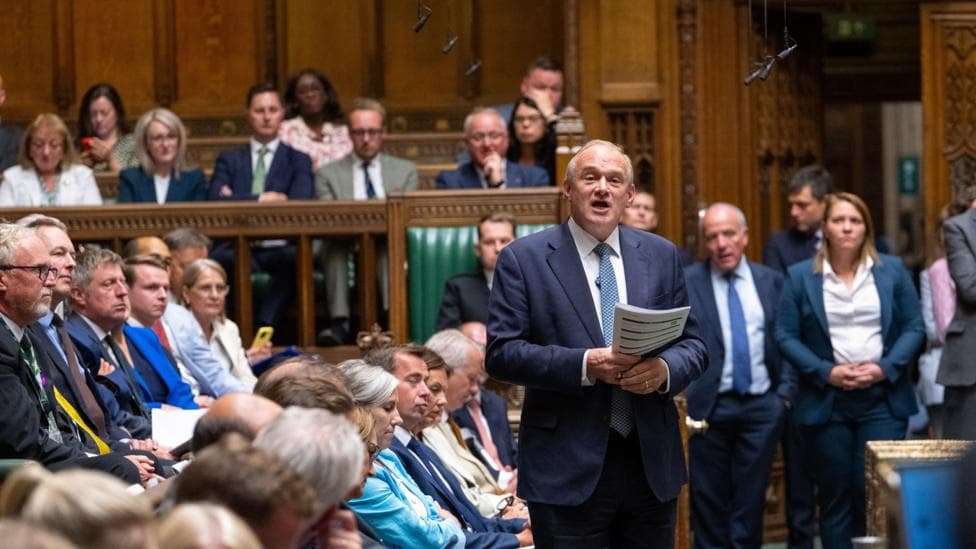
Underlying tensions within the Liberal Democrats are surfacing as the party convenes for its autumn conference this weekend, with senior figures openly acknowledging that the party has failed to build momentum since achieving its strongest general election performance two years ago.
Conversations with frontbench members, MPs and party staff reveal widespread disappointment that the party has not leveraged its 2024 success into sustained growth. Recent polling commissioned by YouGov ahead of the gathering showed the party has experienced stagnation in voter support since the last general election, with some indicators suggesting a decline.
"We lack the ability to say something new or interesting,"one senior Lib Dem MP remarked, adding that
"There is no energy, no excitement."
A member of the frontbench characterised the party's public messaging as cautious and uninspiring.
"With the possible exception of our position on Trump, you could characterise most of our press lines as 'a Lib Dem spokesperson said, steady on now, gently does it'."Multiple party figures have described the overall approach as uninspiring, and some have expressed concern about the growing prominence of the Green Party under Zack Polanski.
Party leadership has acknowledged the discontent and signalled a change in direction. Deputy leader Daisy Cooper told reporters the conference would represent
"a gloves-off kind of conference"where
"You'll see a bit of fighting talk."
Why has the party been cautious until now?
The restraint in recent months was partly a deliberate strategic choice. Senior leadership discussed whether to adopt Polanski's aggressive, social media-driven approach but concluded it would alienate the affluent southern English constituencies that form the party's traditional base. Those who made this decision point to Polanski's recent difficulties as vindication of their choice.
However, party figures across all levels recognise that the Lib Dems lag significantly behind competitors in capturing attention through digital channels, a gap highlighted by Labour's Andy Burnham's
"social first"strategy. The party has only recently begun training its MPs in producing social media video content, a delay that senior figures view with frustration.
"When we have a success we're very good at getting a leaflet sent out to supporters straight away,"one senior MP observed.
"But we don't do that for socials."
At least 17 fringe sessions scheduled during the conference will focus on digital and social media strategy as the party attempts to strengthen its online presence. Yet some within the party believe the underlying issue extends beyond communication channels to the substance of the party's message itself.
What do voters think of the party's strength?
Recent polling reveals a perception problem that goes to the heart of the party's identity. According to YouGov data cited by party members, 52% of voters view the Lib Dems as weak, while 43% struggle to articulate what the party stands for, compared with only 18% who regard it as strong.
This perception has prompted calls from within the party for a fundamental shift in approach.
"We need to become bolder and more radical,"a senior MP stated.
"We need to be angry on behalf of our constituents."
Another MP highlighted what they see as a strategic vacuum.
"We are stuck fighting the guerilla politics of local campaigning. There is no broader articulation of what a vision for Liberal Britain is."
Even those closest to party leader Sir Ed Davey acknowledge the challenge. Party strategists privately concede that the party's 2024 election success stemmed largely from anti-Conservative sentiment rather than positive endorsement of Liberal Democrat policies.
"We haven't yet answered why people should vote for us rather than against the Tories,"one senior adviser admitted.

What is the party's strategy for the next election?
While Lib Dem MPs publicly maintain caution about post-election coalition possibilities, private conversations reveal no such restraint. In a scenario many party strategists anticipate—a hung parliament with no single party commanding an overall majority—the Lib Dems aim to position themselves as kingmakers capable of blocking a Reform government.
"If you're a serious political party you exist to be in government,"one senior adviser said.
The party's electoral ambitions are focused and specific. Strategists are confident of retaining most of the 72 seats won in 2024, with their primary target being the 27 constituencies where they finished second, predominantly seats currently held by the Conservatives. The party achieved gains in the May local elections in England, which leadership points to as evidence that their ground-level strategy is functioning effectively.
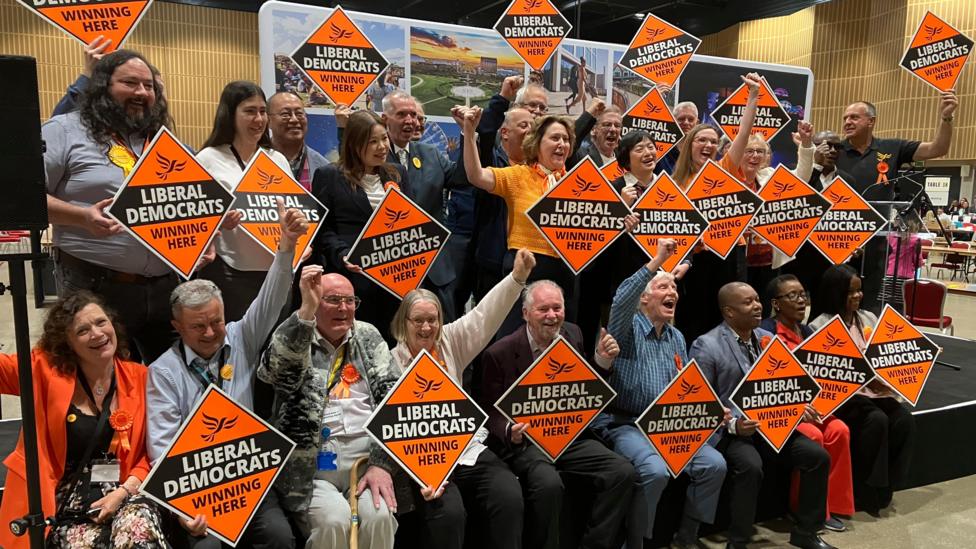
Party leadership characterises the period since the 2024 general election as
"stage one"during which a substantially new cohort of MPs established themselves in their constituencies. Cooper outlined the next phase:
"Stage two is winning the air war and describing exactly what Liberal Britain looks like. You'll see a lot of that at conference."
Regarding her leader, Cooper stated:
"He's not just nice guy Eddie. I think you're going to see him being a bit more gritty because he's a real fighter."She characterised Davey's approach to Reform UK as viewing the contest as the
"fight of our lives."
However, critics within the party note that similar promises of more combative rhetoric accompanied last year's conference, yet the party's national polling position has remained largely unchanged. This pattern has fuelled scepticism about whether rhetorical adjustments alone can reverse the party's fortunes.
Is there discontent with the party leader?
A notable faction within the parliamentary party and frontbench openly questions whether the core problem lies not with messaging or strategy but with Davey's leadership itself.
"I think he's holding us back,"said one party spokesperson who is preparing a potential leadership bid should a contest materialise.
Another MP, reflecting broader frustrations, observed that
"The atmosphere is ripe for a leadership challenge."Yet this same MP acknowledged a structural obstacle:
"But we don't have a Wes Streeting,"referring to Labour's defence secretary whose challenge to Sir Keir Starmer weakened the Prime Minister's position.
"There is a lack of an ambitious, young alternative putting themselves out there to show a different way."
Davey's supporters counter that his government experience is irreplaceable and that national polling figures misrepresent the party's true standing.
"I'd like to be on more than 10% [in national opinion polls],"one loyal frontbencher said,
"But I'd prefer to be on 10% and looking at winning 80 seats than on 15% and winning four."Another pointed to local election results as the authentic measure of party strength.
Nonetheless, frustration persists, and party members are scrutinising potential alternatives to Davey, including party President Josh Babarinde and Cooper, questioning why they have not articulated alternative visions. Both are scheduled to address the conference, as is home affairs spokesperson Max Wilkinson.
When asked directly about her own ambitions, Cooper deflected.
"Ed is absolutely the right leader,"she said.
"I really like being deputy leader to Ed. We work together as a team. I think we complement each other."Asked whether she aspires to the leadership, she replied:
"There is no vacancy."When pressed on whether that might change, she responded:
"There is no vacancy at the moment."
When and where is the conference taking place?
The Liberal Democrats' autumn conference opens on Saturday 19 September 2026 and runs through Tuesday 22 September 2026 at the Brighton Centre. The conference programme includes plenaries, consultative sessions and fringe events across the four days, with Davey's keynote address scheduled for Tuesday afternoon from 14:20 to 15:30.
Cooper is scheduled to participate in a public conversation at the Institute for Government on Sunday 20 September, providing an opportunity for party members and observers to assess how the party's messaging evolves during the gathering. The conference represents a critical moment for the party to demonstrate whether the promised shift toward bolder positioning will materialise or whether internal divisions will continue to constrain its trajectory.