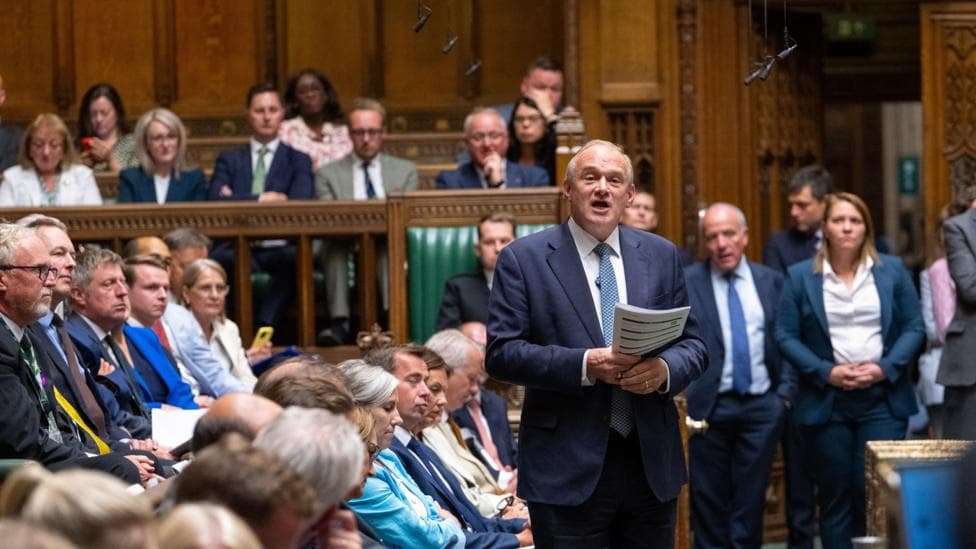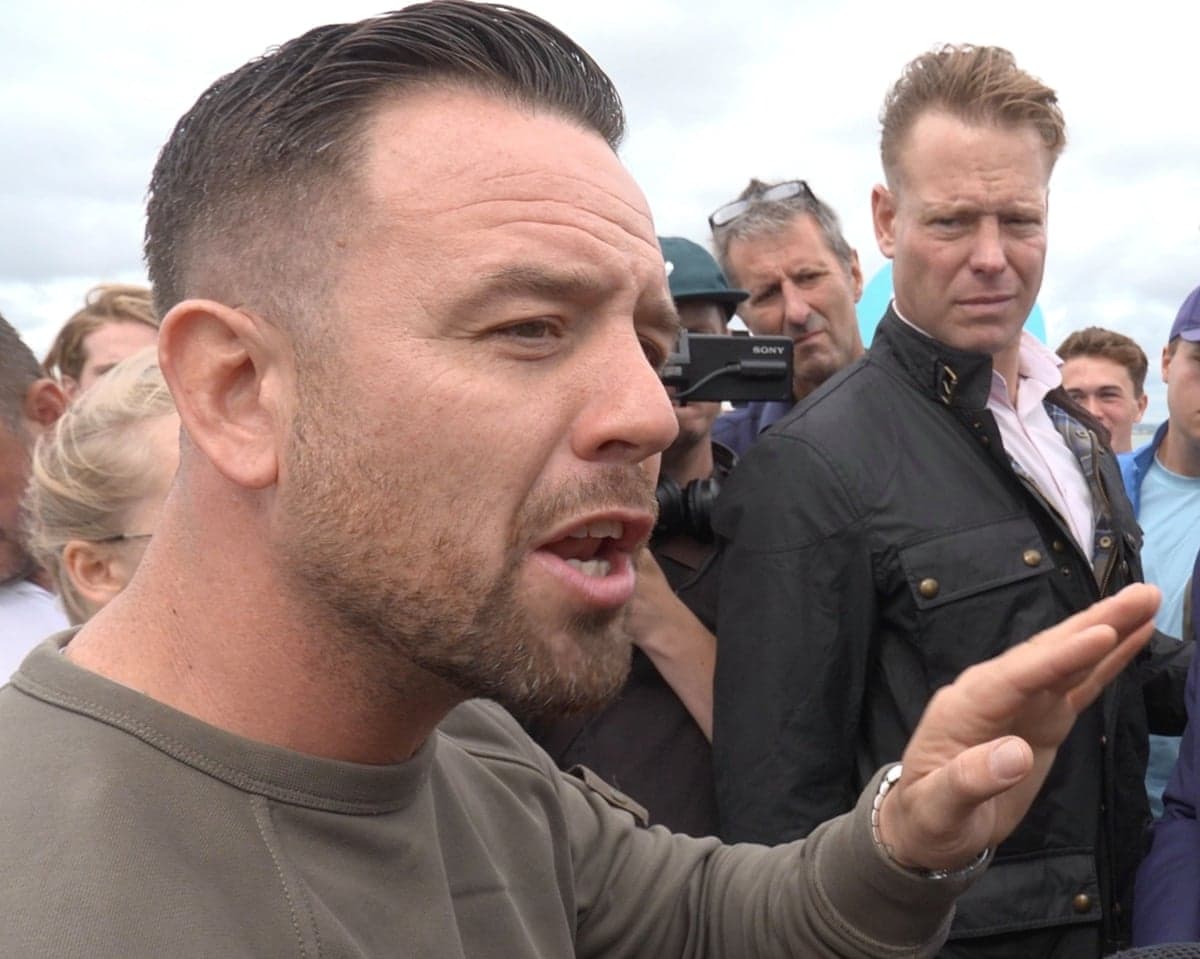
Home Secretary Shabana Mahmood has branded anti-asylum activist Daniel Thomas a "far-right and outright racist" who will face severe legal consequences if his organisation breaks the law near contested asylum accommodation sites. Her remarks came as the Oxfordshire village of Piddington voted overwhelmingly to reject plans for a large-scale asylum facility, drawing national attention from protest movements and political parties across the spectrum.
Mahmood sought to draw a distinction between legitimate community concerns and what she characterised as extremist hijacking of local grievances. Speaking at a knife-crime initiative launch in Birmingham on Thursday, she acknowledged the anxiety residents feel when their communities face significant change, but condemned those she said were exploiting such concerns to sow division.
"I understand the anxiety of local people when they're about to see a change to their community. But it is important to distinguish that anxiety, where reasonable people can have a conversation, and the far right and outright racists like Danny Thomas walking into town, hijacking an issue and then using that to divide our communities," she said.
"Their behaviour is completely unacceptable. And where they break the law, they will face the full force of the law."
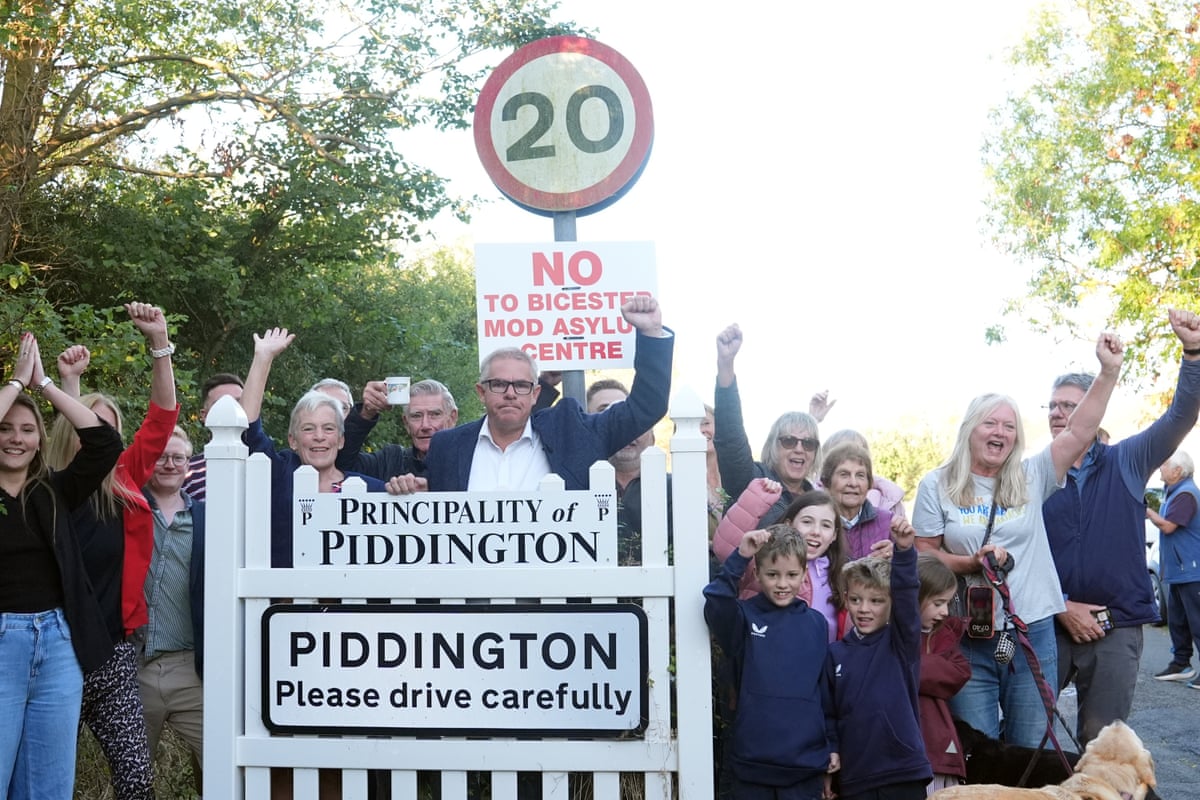
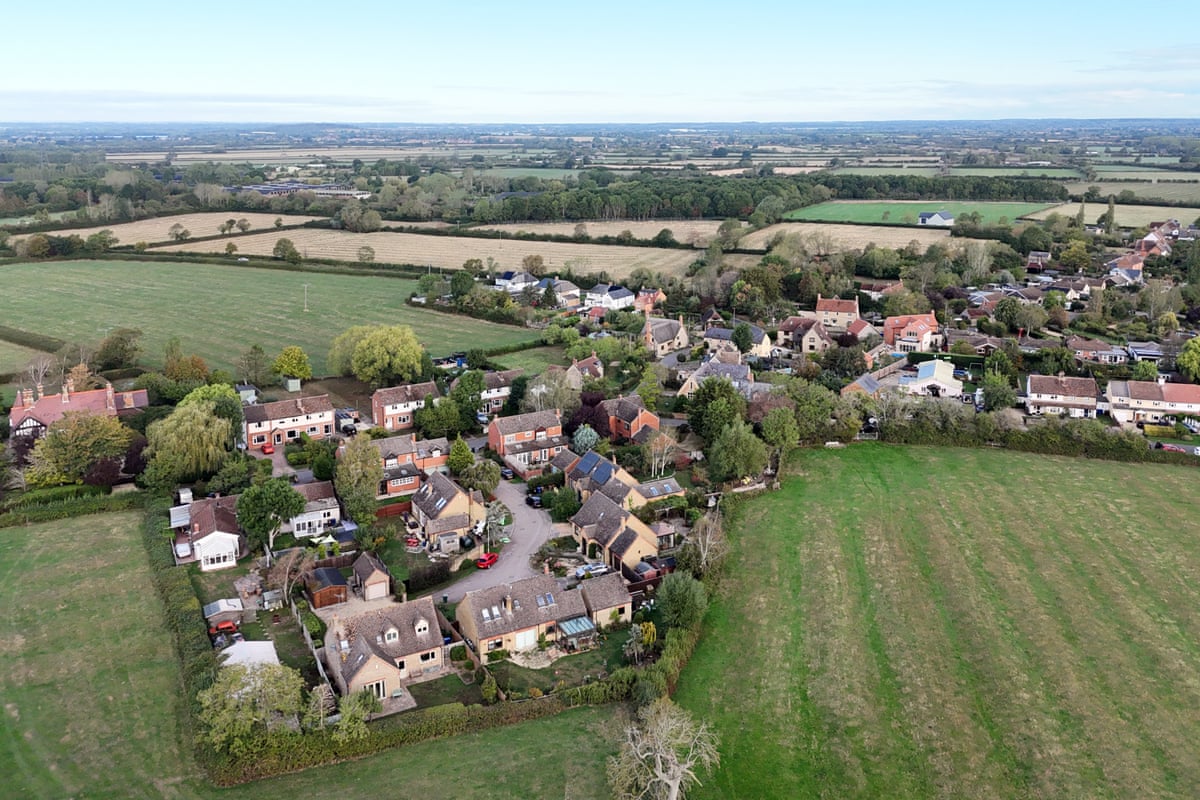
The Home Office proposal targets the former Bicester Garrison site near Piddington for accommodation of up to 1,256 male asylum seekers. On 15 September 2026, Piddington residents held a symbolic independence referendum, with 285 voting against the facility and only 26 in favour. The vote has prompted hundreds of other town and village councillors and residents to seek advice on replicating the campaign, which received backing from the Conservatives, Reform UK and the Liberal Democrats.
What did Thomas say about his plans?
Thomas, a convicted criminal known as "Danny Tommo" and co-founder of an anti-immigration movement, has indicated he intends to mobilise large numbers of supporters to oppose the asylum centre. In a YouTube interview with commentator Dan Wootton, he described plans to establish a sustained presence at the site.
"How powerful would it be if 5,000 men … surround the [Piddington] camp. We take tents. We sit there for days and we don't let them [the asylum seekers] get in. And then we reinforce [the blockade] with members from the north, from Scotland, from Ireland."
Thomas visited Piddington on 16 September 2026, the day after the symbolic vote. He arrived in formal dress—a grey suit and white shirt—and was not accompanied by masked supporters. Parish councillor Joe Marshall described the visit as private, with Thomas receiving a tour of the village and hospitality from a resident. Marshall noted that the village had extended open invitations to representatives from multiple political parties and organisations to visit.
When asked about the possibility of security assistance from masked supporters, Marshall suggested villagers would be unlikely to welcome such intervention.
"This is a mild-mannered place,"he said. Thomas briefly visited the village hall and later went to the entrance of the Ministry of Justice camp where asylum seekers are scheduled to be housed.
In his interview, Thomas denied holding racist views, stating that his organisation welcomed people of other nationalities.
"Racism within our organisation is just not acceptable. That is the stance we have. We are not a white nationalist movement. I have friends that are black."
What is the government's response to local concerns?
Mahmood sought to reassure Piddington residents that the proposed facility would not place undue strain on local services. She pointed to experience from other large-scale asylum accommodation sites as evidence that centralised facilities minimise pressure on surrounding communities.

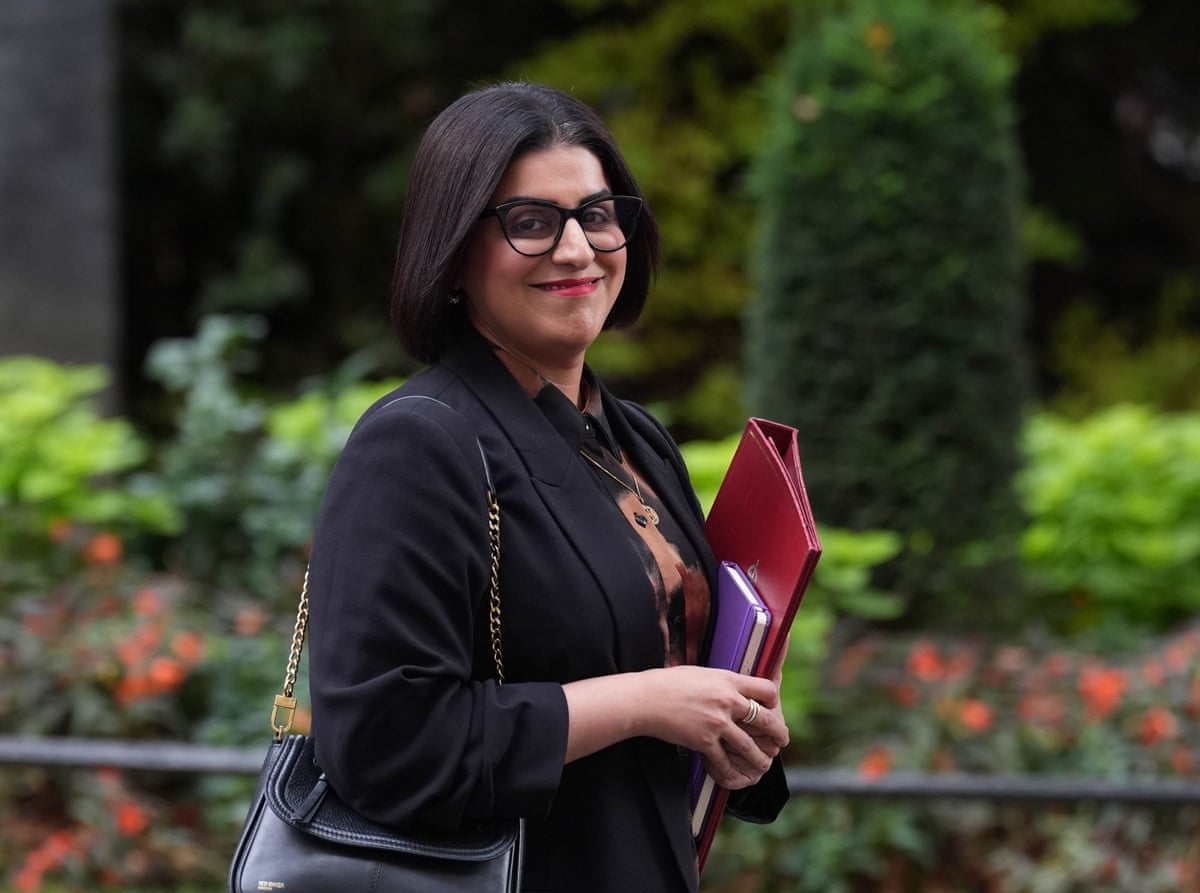
"Our experience from other large sites where we already have asylum seekers accommodated, whether that's in [locations] or [locations], is that putting all facilities on to one site is actually the best way to manage pressures for local communities. Our experience of other large sites where we are housing asylum seekers is that we're able to put on that site more of the facilities that asylum seekers need. It's a relatively self-contained facility, and the knock-on pressure to those local areas, I don't think we're going to see."
The home secretary acknowledged that anxiety about asylum accommodation extends beyond rural areas. She noted that residents in inner-city communities, including her own Birmingham constituency, harbour similar concerns about large concentrations of asylum seekers and houses of multiple occupation.
"I do understand the anxiety that people feel, when they're about to see a change in their community or they are reading misinformation on the internet, or when they're just concerned that a village is about to have a facility nearby that maybe they think may pose them some challenges. I also hear that concern from communities such as mine, where there are large numbers of HMOs [houses of multiple occupation] and accommodation in which asylum seekers are held as well. There is concern across every type of community. Not just in the countryside or in those sorts of areas, but in inner-city areas as well."
What enforcement action is the government taking?
Thomas and his supporters have orchestrated disruptive protests in Dover and Portsmouth, where masked followers blocked roads and attempted to intercept newly arrived people. On Thursday, Mahmood summoned police chiefs and urged them to strengthen intelligence gathering and deploy all available powers to counter such activity, including new legislation permitting blanket bans on face coverings at designated locations.
Hampshire Police subsequently sought to impose a face-covering ban on Saturday as a demonstration took place in Portsmouth, Thomas's home town. Thomas publicly urged his supporters to stay away from that event.
Thomas established his anti-immigration movement after serving a prison sentence for attempted kidnapping. He previously worked as a bodyguard for Stephen Yaxley-Lennon, also known as Tommy Robinson, a prominent figure in anti-immigration activism.
What is the broader context?
Mahmood has previously directed police to use all available powers against anti-migrant protests, reflecting growing concern about the scale and intensity of demonstrations at asylum sites. A Church of England bishop has warned that fascism is rising in the UK, condemning the "twisted theology" of self-described Christian patriots who demonstrated at south coast ports, linking the incidents to a broader pattern of nationalist activism.
The public consultation on the former Bicester Garrison asylum plans was running until midnight on 17 September 2026, meaning the site decision had not yet been finalised at the time of Mahmood's remarks. The application, listed under reference PCU/RARE/C3105/3378843 with Cherwell District Council, was due to receive final comments by 18 September 2026.
What happens next?
The public consultation closure on 17 September 2026 will be followed by a ministerial decision on whether to proceed with the Piddington site. The Home Office first announced the plan on 25 June 2026 to use the former MOD Bicester site for asylum accommodation, triggering the village backlash that has now drawn national political attention.
Mahmood's intervention on Thursday also coincided with the launch of a broader anti-knife crime programme. More than 230 areas affected by knife crime will share £26.25 million to fund police patrols, CCTV and early-prevention work across 27 police forces in England and Wales. Each targeted area, roughly the size of 10 football pitches, will receive enhanced police patrols alongside programmes designed for young people at risk of involvement in knife violence. The home secretary launched the initiative at the Acocks Green boxing gym in south Birmingham, which supports vulnerable young people in staying away from crime. She was joined by anti-knife campaigners Lorraine Jones Burrell and others who have lost children to knife violence.
Key Facts
- Piddington residents voted 285 to 26 on 15 September 2026 against the proposed asylum facility for up to 1,256 male asylum seekers at the former Bicester Garrison site
- Home Secretary Mahmood described activist Daniel Thomas as "far-right and outright racist" and warned he will face "the full force of the law" if his organisation breaks the law
- The public consultation on the asylum site was due to close on 17 September 2026, with a ministerial decision to follow
- Police have been authorised to use new powers including blanket bans on face coverings at designated locations to counter disruptive protests
- The government argues that centralised asylum facilities minimise pressure on local services compared to dispersed accommodation