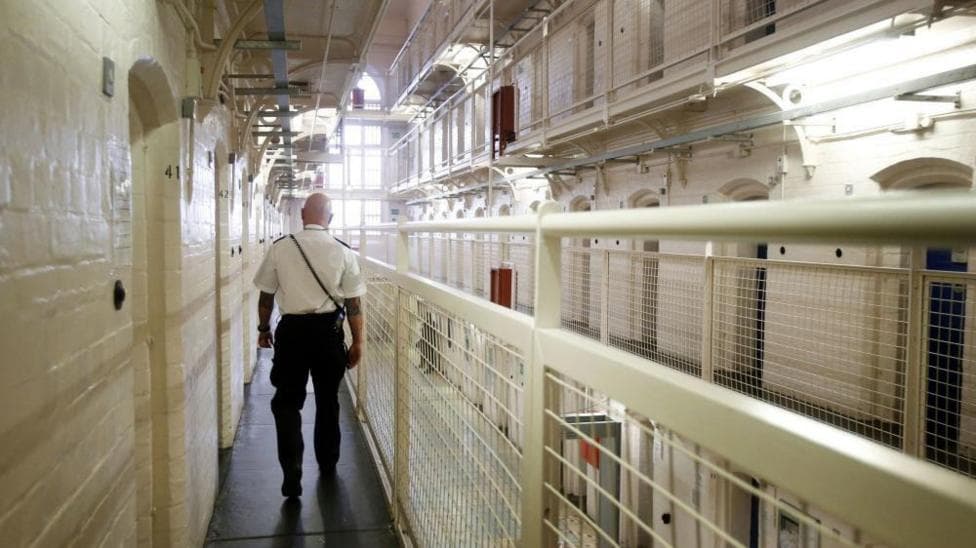
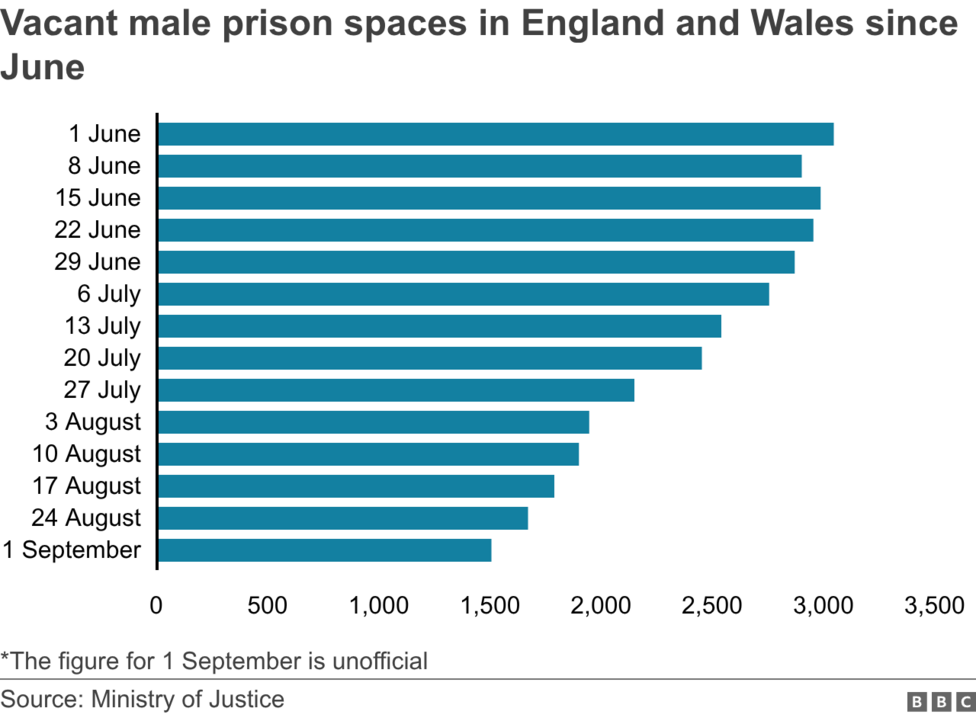
The number of available spaces across the male prison estate in England and Wales has fallen to its lowest point this year, according to sources familiar with the situation. As of 1 September, approximately 1,500 free spaces remained, representing a sharp decline from the 3,040 spaces available at the start of June. This contraction reflects mounting pressure on the prison system even as the government implements measures designed to ease congestion.
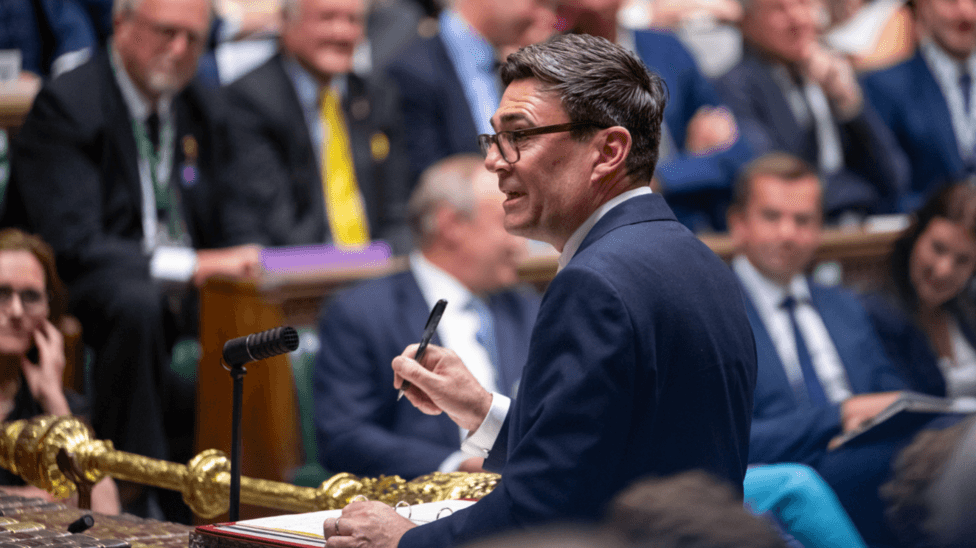
Justice Secretary Alex Norris is scheduled to provide additional information to Parliament regarding modifications to the early-release scheme, which operates to create capacity as facilities approach maximum occupancy. The revised policy follows Prime Minister Andy Burnham's announcement of stricter eligibility criteria, which will keep certain categories of offenders, including those convicted of manslaughter, incarcerated for longer periods.
According to Ministry of Justice data, male prison vacancies have declined steadily since mid-June. The most recent official figures, released on 24 August, showed 1,665 available spaces. This week's numbers have not yet been formally published due to Monday's bank holiday, though prison sources indicate the downward trend has continued. According to reports tracking prison capacity, there were 88,098 people in custody with 2,938 usable cells free across England and Wales at the start of this week.
How is the government responding to overcrowding?
The government has committed to creating additional cells within existing prisons across England and Wales as part of its overcrowding strategy. An investment of £110 million, drawn from existing budgets, will fund the conversion of unused office space, laundry rooms, and storage areas into cells. This initiative forms part of a broader £7 billion commitment to address prison capacity challenges.
When questioned about the practical implications of converting laundry facilities, Justice Secretary Norris told BBC Breakfast:
"Of course we're going to make sure that the prisons can still function properly. This is a creative look, as I say, around our estate and being able to use some space that we can re-prioritise."Norris estimated that the additional spaces created through repurposing existing infrastructure would likely fall between 200 and 900 cells.
However, Mark Fairhurst, chairman of the Prison Officers' Association, raised concerns about staffing capacity:
"You can create as much additional space as you like, and build as many new prisons as you like, but where are the staff coming from to supervise people? Nobody wants to be a prison officer anymore."Prisons in England and Wales are currently operating at 97% capacity.

What changes have been made to the early-release scheme?
The early-release scheme, launched in September to address overcrowding, has undergone significant modifications following pressure from victims' families and political review. Originally designed to allow certain prisoners to leave after serving one-third of their sentence instead of 40% or 50%, the scheme has been progressively restricted. Burnham's latest changes exclude individuals convicted of manslaughter from eligibility, following a campaign by the family of PC Andrew Harper, who was killed in 2019.
According to government announcements, the revised rules mean at least 1,400 prisoners will no longer qualify for early release. This builds on earlier exclusions that removed approximately 1,000 prisoners from the scheme, when rape, grooming, and serious child sexual offence cases were barred from participation.
Justice Secretary Norris emphasised that early release does not equate to freedom, stating that victims would have input into the restrictions imposed on released offenders. Under the current scheme, approximately 4,500 prisoners are expected to be released in phases beginning in October, though the rollout has been delayed from its original 2 September start date. The first cohort was originally scheduled to comprise prisoners serving sentences of up to 19 months before the postponement.
What other measures are being pursued?
Beyond the early-release scheme and cell conversion programme, the government is pursuing additional strategies to manage prison capacity. Extra space will be created through increased deportations of foreign prisoners and the release of certain inmates serving indefinite sentences. Government data shows that 10,134 foreign nationals were held in custody as of 30 June, of whom 3,283 were on remand and therefore ineligible for deportation.
In the year to June, 5,962 foreign offenders were returned to their home countries, representing the highest deportation rate since 2017 and a 12% increase compared to the previous year. These deportations form part of the broader effort to reduce prison population pressures, which remain severe despite the various interventions being implemented.
What happens next?
Justice Secretary Alex Norris is due to provide detailed information to Parliament later today regarding the modifications to the early-release scheme. The revised scheme is now scheduled to commence in October rather than on 2 September, allowing additional time for implementation of the new eligibility criteria and administrative arrangements.
The government faces a significant challenge in balancing short-term overcrowding pressures with longer-term solutions. While the £110 million cell conversion programme and revised early-release scheme aim to ease immediate capacity constraints, experts have noted that sustainable resolution of the prison overcrowding crisis will require years-long solutions alongside these interim measures.