First Minister John Swinney has unveiled his government's legislative agenda for the next five years, with announcements spanning transport subsidies, food affordability, public service restructuring, violence prevention and the streamlining of public bodies. The programme for government sets out the administration's priorities as MSPs return to Holyrood following the summer recess.
The speech and accompanying policy documents reveal an ambitious reform agenda designed to address economic growth, child poverty, climate action and public service efficiency. Here are the five most significant announcements from Swinney's address.
What is the £2 bus fare cap and where will it apply?
A subsidised bus fare cap of £2 per journey has been operating as a pilot scheme in the Highlands and islands since 2025. From Monday, this initiative is being extended to cover the west of Scotland, including Glasgow, Renfrewshire, Ayrshire, Dunbartonshire, Lanarkshire and Inverclyde, according to official transport announcements.
The expansion means commuters across a much larger population centre will benefit from reduced fares, with the Scottish government absorbing the revenue loss. Swinney has committed to rolling out the cap nationwide by 2031. The policy mirrors a similar initiative being introduced across England from January by the UK government, though Scotland's timeline extends further.
Several groups already receive free bus travel in Scotland: passengers under 22, those aged 60 and over, and people with disabilities. The £2 cap therefore complements rather than replaces these existing entitlements.
How will the food price cap work and what will it cover?
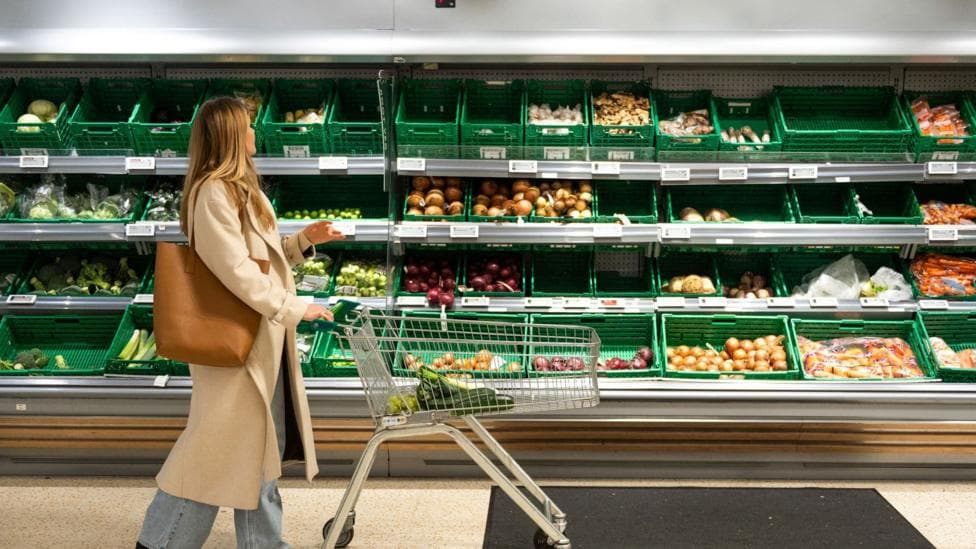
The most contentious policy in Swinney's programme is legislation to introduce price ceilings on essential food items in large supermarkets. This was a central manifesto pledge during the May 2026 Holyrood election campaign and has become a defining commitment for the administration.
The Scottish government has now opened a formal consultation on the food-price-cap legislation as part of the 2026 to 2031 programme for government. According to the official consultation paper, the scheme will cover a basket of essential food items, with Swinney indicating the list could contain between 20 and 50 products including rice, cheese and eggs.
The draft bill reportedly applies to retailers with more than 250 employees, annual turnover exceeding £250 million, and more than half of that turnover derived from grocery sales. Significantly, the legislation will cover online retailers as well as physical supermarkets, extending its reach beyond traditional store-based shopping.
Swinney argues that intervention is necessary to help households struggling with weekly shopping bills. However, the food industry and retailers have raised serious objections, contending that Scotland's existing competitive marketplace already keeps prices low and warning that price controls could paradoxically increase overall grocery costs. The policy is also likely to face scrutiny from the UK government. The first minister gave it relatively little emphasis in his speech, suggesting awareness of the controversy ahead.

Non-compliance with the price cap carries significant penalties. The draft bill reportedly threatens fines of up to £10,000 on summary conviction and unlimited fines on indictment.
What changes are planned for Scotland's health and local government structures?
Swinney has announced a radical restructuring of public service delivery, beginning with the health service. Scotland currently operates 14 health boards, ranging from very large geographic areas such as NHS Highlands to smaller concentrated regions like NHS Fife. The government intends to reduce this to just two boards, a consolidation that would represent one of the most significant NHS reorganisations in decades.
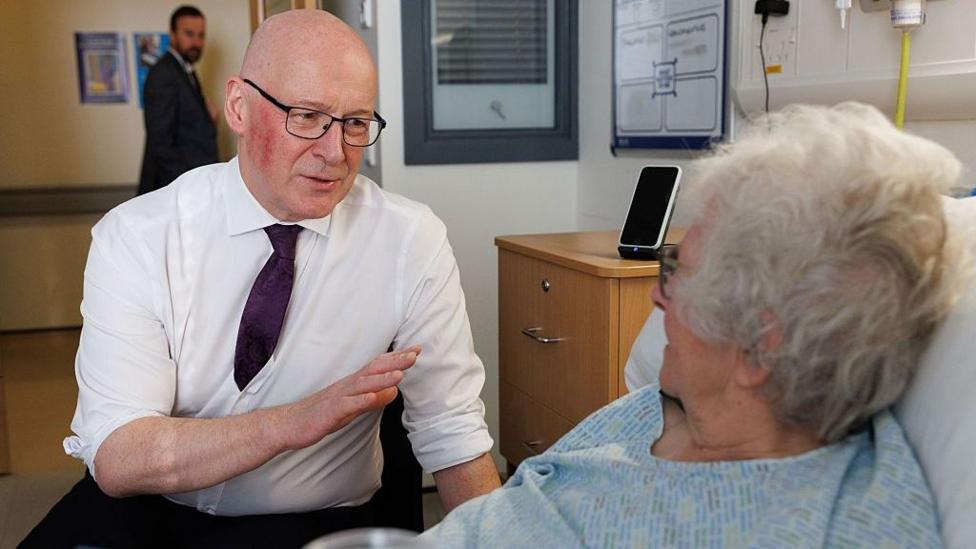
Local government faces similar scrutiny. Swinney believes some councils are too small to be effective while others are too large to be responsive. Rather than announcing immediate changes, he has committed to a three-month review period before proposing specific reforms. However, he has signalled that new economic powers could be devolved to
stronger, more strategic regions, suggesting that any restructuring will be accompanied by enhanced authority over economic development and planning.
These reforms form part of a broader public service transformation aimed at improving efficiency and addressing a projected £5 billion budget shortfall by the end of the decade. Opposition parties have characterised such measures as spending cuts, while the government frames them as necessary modernisation.
How will the government tackle violence against women and girls?
Swinney has identified violence against women and girls as an
epidemicrequiring urgent legislative action. The Scottish government has been developing a misogyny bill since 2022, and there was disappointment when misogyny was not included in Scotland's hate crime legislation passed in 2024. The first minister now aims to deliver a dedicated law addressing this gap before 2031.
The proposed legislation will ensure that
harassment and abuse based on misogyny is outlawed. Beyond the misogyny law itself, the government is proposing to recognise pregnancy as an aggravating factor in domestic abuse cases, potentially leading to enhanced sentencing. Additional support measures for people leaving abusive relationships are also planned, though specific details remain to be developed.
What is the government doing to reduce the number of public bodies?
Swinney has announced a substantial reduction in quangos—quasi-autonomous non-governmental organisations that are publicly funded but operate outside direct government control. Opposition parties have long argued that Scotland maintains too many such bodies, and the first minister now appears to agree.
Transport Scotland, which manages the country's transport system, will be brought into direct government control rather than operating as an arm's-length body. Various environmental organisations will be consolidated into a single entity. Ministers will conduct a broader review to identify further merger and reduction opportunities across the public body landscape.
This consolidation is part of a larger public service reform package designed to improve coordination, reduce administrative overhead and address the substantial fiscal challenge facing the Scottish government. The £5 billion budget shortfall projected for the end of the decade has made efficiency savings a central concern for policymakers across the political spectrum.
What happens next?
The food-price-cap consultation is now open and will inform the development of legislation. The west-of-Scotland £2 bus fare cap takes effect from Monday morning. The Scottish government will spend three months reviewing local government and health board structures before proposing detailed reform plans. These policy battles are expected to dominate parliamentary business over the coming months, with particular controversy anticipated around the food price cap and its potential conflict with both the food industry and UK government policy.