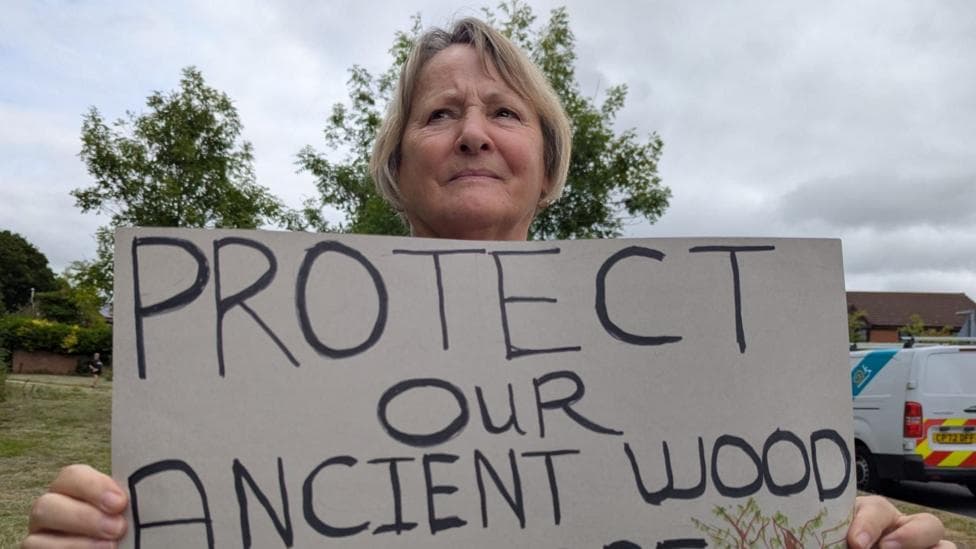
Ancient woodland campaigners are warning that England's drive to build 1.5 million new homes by the end of 2029 is putting some of the country's oldest and most irreplaceable habitats under mounting pressure. According to BBC News, despite planning rules that restrict development on ancient woodlands to "wholly exceptional circumstances", dozens of approved housing schemes are being positioned immediately adjacent to protected sites, raising concerns that existing safeguards are proving inadequate in practice.
The threat has intensified following the creation of the "grey belt" — a new category of lower-quality open spaces that can be developed more readily than traditional green belt land. This policy shift is leaving ancient woodlands vulnerable even though they are legally protected and described as irreplaceable by conservation groups. An ancient woodland is defined as land that has existed continuously since at least 1600 and is recognised as among the UK's richest habitats for wildlife.
Lucy Graebe-Watson, chairwoman of Ancient Woodland UK, expressed concern that protections are struggling under current pressures.
"We are already seeing cases where the existing protections are struggling. We have seen a rise in concerns and alerts from local groups since recent planning reforms."The grey belt policy, she argued, makes it more likely that areas directly adjacent to ancient woodland — previously protected under green belt designation — could now be developed.
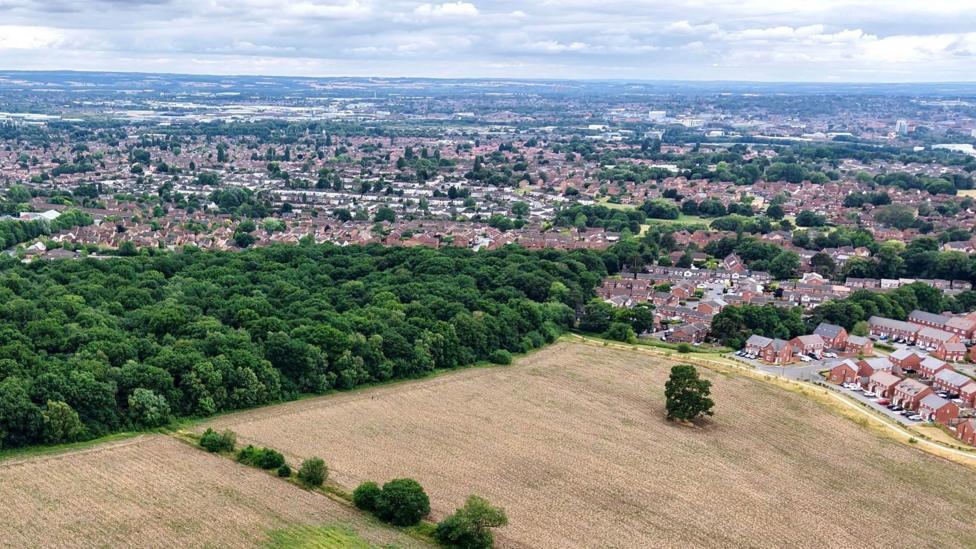
In Derby, residents near Chaddesden Wood Nature Reserve have mounted a significant campaign against proposals for approximately 150 homes on neighbouring land. Helen Cherry, a former cafe owner who has lived in the area for 40 years, is among more than 1,500 people objecting to the scheme. She described the woodland as at least 400 years old, featuring mature hazel and oak trees, and warned that building to its edge would leave the site "closed on all sides", making a "mockery" of its protected status.
"Many a day I've been brought to tears, stopped and looked across the field where the buildings may occur and you can see right out across to the Derbyshire Dales. It's absolutely beautiful. If houses went ahead, the view would be completely obliterated — it would be very sad."Derby City Council refused the plans in July 2025 following the wave of objections. However, surveyors were observed on the site in August, and local councillors indicated that a revised application was highly likely. Developer JGP Properties Limited has maintained that its assessments show "no loss or deterioration of the ancient woodland and veteran trees".
How do current planning rules protect ancient woodlands?
The National Planning Policy Framework (NPPF) sets national guidelines for local councils deciding planning applications in England. It states that ancient woodlands can only be built on or near in "wholly exceptional circumstances", such as major infrastructure projects like HS2. A government spokesman confirmed that ancient woodlands continue to benefit from "very clear and strong protections" and that developments causing loss or deterioration should be refused, with only very limited exceptions for nationally significant infrastructure, where compensation measures would be required.
However, conservation groups argue these protections remain inadequate. Carl Bunnage, head of nature policy for the Royal Society for the Protection of Birds, said the "wholly exceptional circumstances" clause represents a loophole for developers, particularly in areas facing housing shortages.
"If we can give the strongest protections to built heritage features such as historic buildings, then why shouldn't we also be giving the strongest protections to those habitats?"He noted that planning reforms have favoured development, with housing and economic growth policies often carrying greater weight than nature conservation in decision-making.
What specific developments threaten ancient woods?
Approved plans exist for 450 homes within yards of Hook Wood in Gillingham, Kent, with residents fearing devastating impacts on local wildlife. In South Yorkshire, a 130-home development on land surrounding Gelster Wood near Doncaster has sparked a campaign in the village of Rossington, with more than 2,000 people backing efforts to challenge the plans. Gary Cantrill, a local beekeeper and member of the Preserve Littleworth Lane Group, described the site as 350-year-old historic farmland and expressed concern about flooding risks, as the fields currently absorb "vast amounts of rainwater".

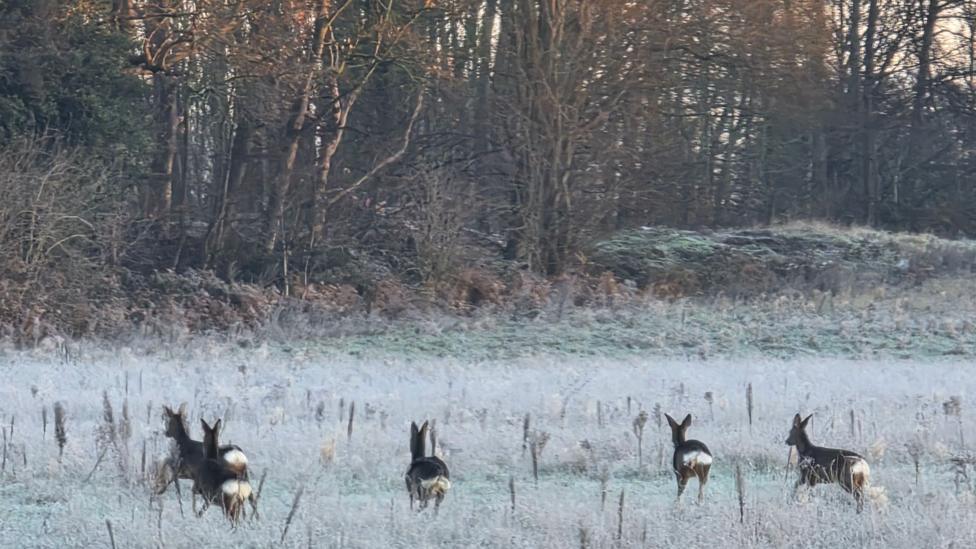
"People feel our village is being treated as an easy target for developers who don't care about our community or our heritage. Concreting over this land replaces natural drainage and creates a huge risk of flooding into neighbouring properties and roads."Plans for approximately 120 homes at Pithill Farm Meadows, located close to the woodland edge at Littleworth Lane, are also under consideration. Campaigners say the meadows provide habitat for wildlife including deer.
Beyond these cases, a separate proposal for 400 homes at Tower Farm, beside Weston Big Wood in North Somerset, has been submitted. Weston Big Wood is both ancient woodland and a Site of Special Scientific Interest, with the proposed development positioned approximately 50 metres from the trees. The council has opened the application for public comment.
What indirect damage can development cause to ancient woods?
Matt Shardlow, an ecological consultant working with local campaigns, explained that damage to ancient woodlands can occur even when trees are not directly removed. Root systems extending away from development sites can be harmed, while drainage systems for new housing can dry out certain tree species and contaminate their water supplies. Noise and light pollution can drive sensitive species out of the woods, and even the presence of pet cats in surrounding areas can affect populations of ground-nesting birds, bats and other species.
A spokesperson for developer Albemarle Homes, involved in the Littleworth Lane proposals, said the woodland itself was not included in the original site and that any future plans would have to comply with environmental rules.
How has planning policy changed?
The government published a revised NPPF in August containing clearer policies for assessing development proposals affecting irreplaceable habitats. The Royal Society for the Protection of Birds acknowledged that protections for irreplaceable habitats had improved under these recent changes. However, the charity maintains they remain insufficient given the scale of housing demand and the irreplaceable nature of ancient woodlands.
The broader context reflects a fundamental tension in England's land use strategy. England must allocate over 7% of its land to nature, forests, and renewables to meet environmental targets, while still supporting food production and housing, according to the government's first detailed land use framework. This challenge has intensified as campaign groups across England fight proposals to build on green belt land, citing infrastructure pressures and permanent loss of countryside.
What happens next?
North Somerset Council's Local Plan is undergoing independent examination, with further stages expected to be made available soon. Campaigners have planned to challenge the housing allocation near Weston Big Wood at Local Plan hearings scheduled for December 2026. In Derby, residents and local councillors await any revised application from JGP Properties, with the council's draft Local Plan earmarking the North Oakwood Green Wedge for protection.