Scammers are exploiting the desperation of pet owners by creating artificial images of missing animals and demanding hundreds of pounds in reward money, often accompanied by threats to harm or kill the pets if payment is refused. According to BBC News, the scheme has affected multiple victims across the UK, with fraudsters using sophisticated AI technology to fabricate convincing photographs and detailed backstories to convince owners they have found their animals.
The tactic represents a troubling evolution in online fraud, where criminals exploit the emotional vulnerability of people searching for missing companions. Australian authorities reported in October 2026 that they were aware of similar scams targeting pet owners, indicating the problem extends beyond the UK.
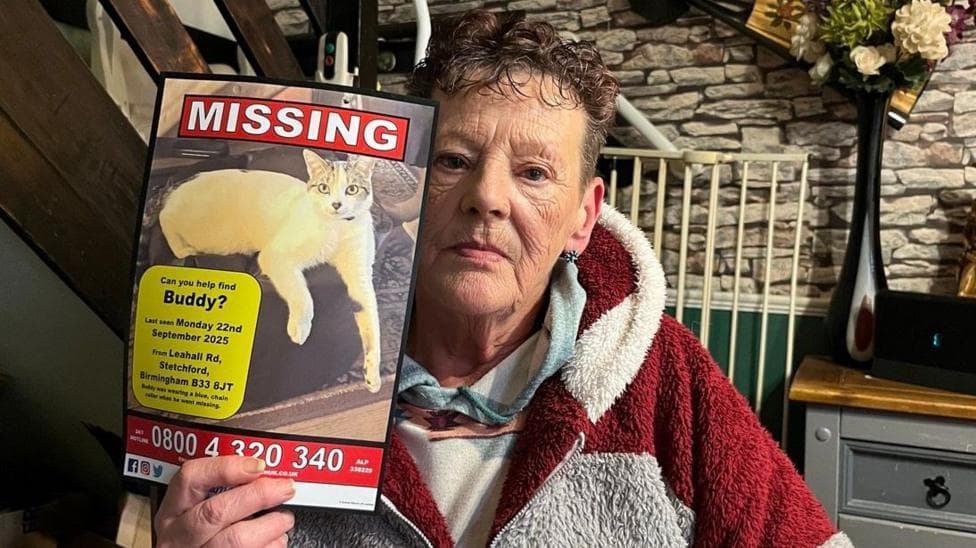
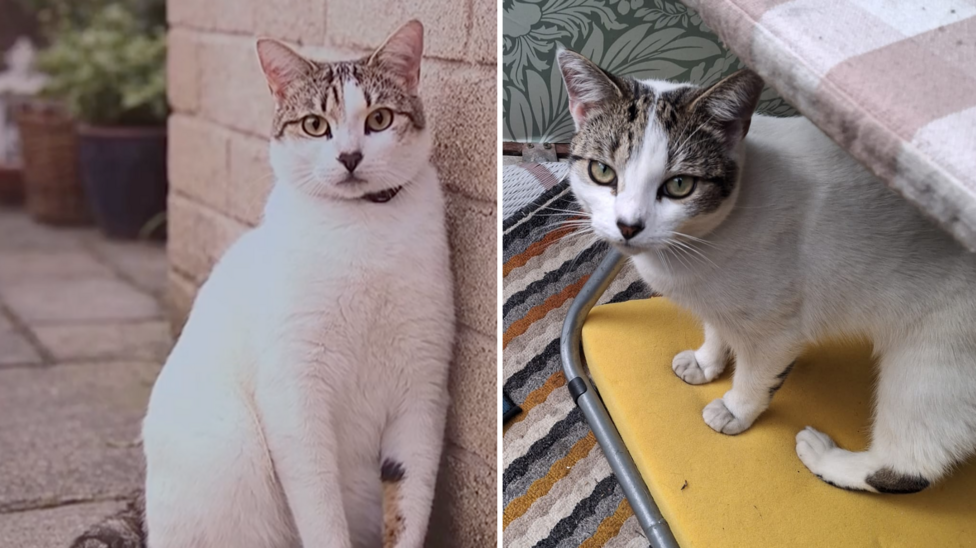
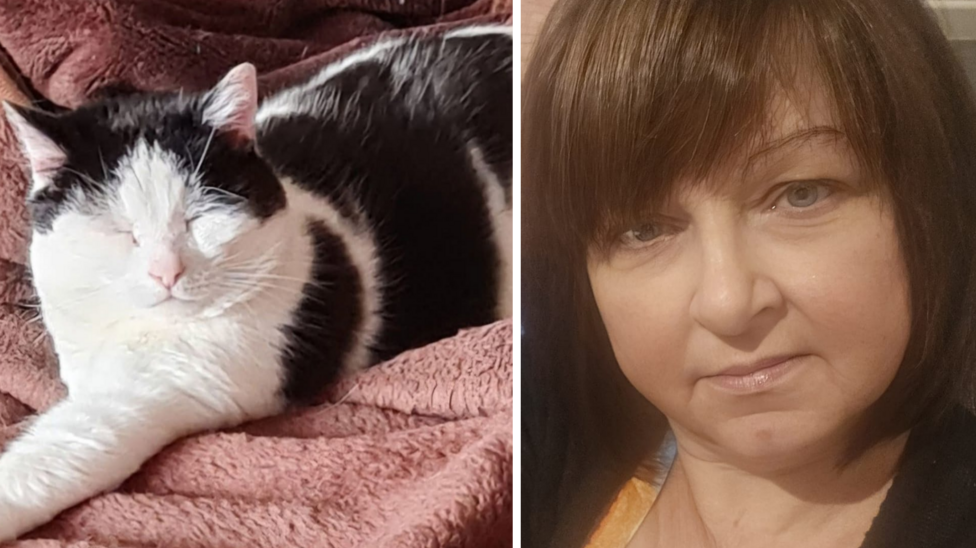
Stephanie Young, a foster carer from Birmingham, experienced the scam when her cat Buddy disappeared from her garden in September 2024. After she posted information about Buddy on pet rescue websites and social media groups, a woman claiming to be named Melissa sent her an image of the cat and said she had been feeding him. Young was certain the photograph showed her pet and believed she had finally located him.
Young arranged to withdraw money from her bank to pay for Buddy's return and agreed to meet Melissa nearby to collect him. However, the individual never appeared at the agreed location, refused a cash payment, and instead demanded 100 Apple gift cards as a reward. When Young questioned the authenticity of the images and discovered they were artificially generated, the scammer responded with threats to
sell or murderher pet.
The experience left Young feeling deeply distressed.
I'm not going to deny that every inch of your body wants that cat back,she reflected.
They can hook you, the more they ask the more you think 'I better do it'.Thirteen months after Buddy went missing, he has still not been found.
Cam Chauhan, a supermarket worker from Wednesbury, faced a similar ordeal nine months after her cat Creed disappeared in July 2024. A scammer sent her what appeared to be an exact photograph of Creed sitting in a back garden, prompting an immediate emotional response.
I started crying, grabbed my cat bag from the garage and said, 'let's go get my cat back,'Chauhan recalled.

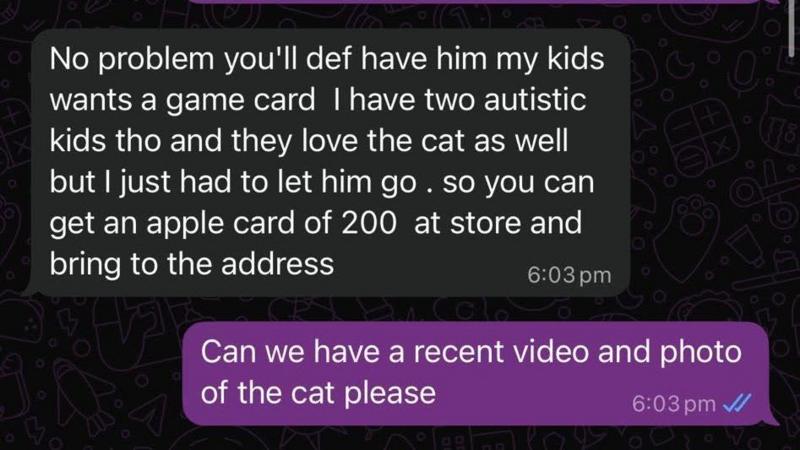
The scammer demanded a £200 Apple gift card, claiming the money was needed for their autistic children. Chauhan was initially overjoyed at the prospect of recovering her pet, but her daughters raised concerns about the authenticity of the images and the wisdom of sending money before seeing Creed in person. When the scammer insisted on receiving gift cards via text message before agreeing to meet, Chauhan decided to abandon the arrangement.
We just went back home. It was very upsetting,Chauhan said.
I've been waiting ever since.The 55-year-old emphasised that anyone who has lost a pet
would do anythingto get them back, but stressed that
to hand money over and be scammed is just not right.
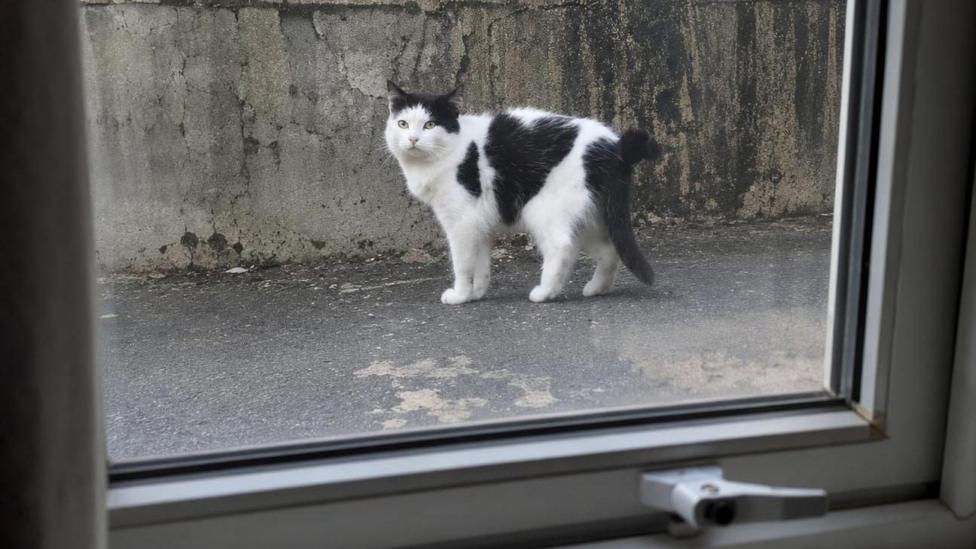
Sarah Robinson from Northampton experienced an even more aggressive version of the scam. Two weeks after her cat Cookie went missing, a man claiming to be named Kherson H contacted her saying he had found the animal. During a phone conversation, Robinson noticed he was vague about his location and seemed uncertain in his responses, yet she initially believed an image he sent showing Cookie outside a window.
The scammer then demanded £40,000 to return Cookie and sent a money transfer link. When Robinson refused to pay, he threatened to kill the cat without payment.
It's a very cruel thing to do,Robinson said.
It's horrible, because you know it's not real but you're terrified it might be.The threat left her deeply worried for Cookie's safety.
All three victims reported their experiences to Report Fraud, which is operated by City of London Police. The organisation has advised people to arrange in-person meetings to see their pets before providing any payment and to remain vigilant against criminal activity.
How widespread is this scam?
Pet scams have grown significantly in recent years. The Better Business Bureau recorded 680 pet-scam reports in 2022, but this figure surged to 2,278 in 2024, demonstrating a sharp increase in fraudulent activity targeting pet owners. In Western Australia, a man named Westyn Ruyter offered a $10,000 reward for his missing Irish wolfhound, Bundy, and received an AI-altered image that had been based on a photograph he had posted online.
The broader context of AI-enabled fraud is alarming. In October 2026, a California pet owner reported receiving an AI-generated image and being directed to a parking lot before scammers demanded money, with the FTC and FBI warning that missing-pet searches are being systematically exploited this way. Fraud cases in the UK have surged as criminals leverage artificial intelligence, with almost £1.3 billion stolen by scammers in 2025.
Why is AI making this scam easier?
Dr Rasha Kassem, a senior academic at Aston University, explained that artificial intelligence has fundamentally changed the landscape of online fraud. Tasks that were once technically difficult and required specialist knowledge are now
super easy, accessible and free.
Just because it looks genuine, doesn't make it real,she cautioned.
Kassem expressed concern about the rise in AI-generated fraud, pointing to a lack of public awareness and guidance on how to protect oneself. She noted that criminals deliberately create a sense of urgency to pressure victims into making hasty decisions.
I do not encourage anyone to engage with criminals who are requesting money and threatening to harm pets,she said.
Collect as much information about them and report it to the authorities.
How can pet owners protect themselves?
Pawboost, a free online platform designed to help locate missing pets, recommends that owners stay cautious while searching. The FTC advises owners to treat demands for gift cards, cryptocurrency, wire transfers or payment apps as a warning sign, and to verify claims before sending money or personal information.
Specific protective measures include asking for proof such as a short video of the pet or a video call that shows something distinctive, like a unique physical feature that would not be visible in posted photographs. Owners should arrange to meet in a safe, public location if someone claims to have found their pet, allowing them to confirm the finder's identity in person. Additionally, asking questions that only the actual finder would know—such as what collar the pet was wearing, specific personality traits, or other details not visible in information shared online—can help verify authenticity.
The emotional toll on victims extends beyond financial loss. The combination of false hope, the threat of harm to a beloved animal, and the realisation of being deliberately manipulated leaves lasting psychological damage. As these scams become more sophisticated and widespread, awareness and vigilance remain the strongest defences against fraudsters exploiting the bond between owners and their missing pets.