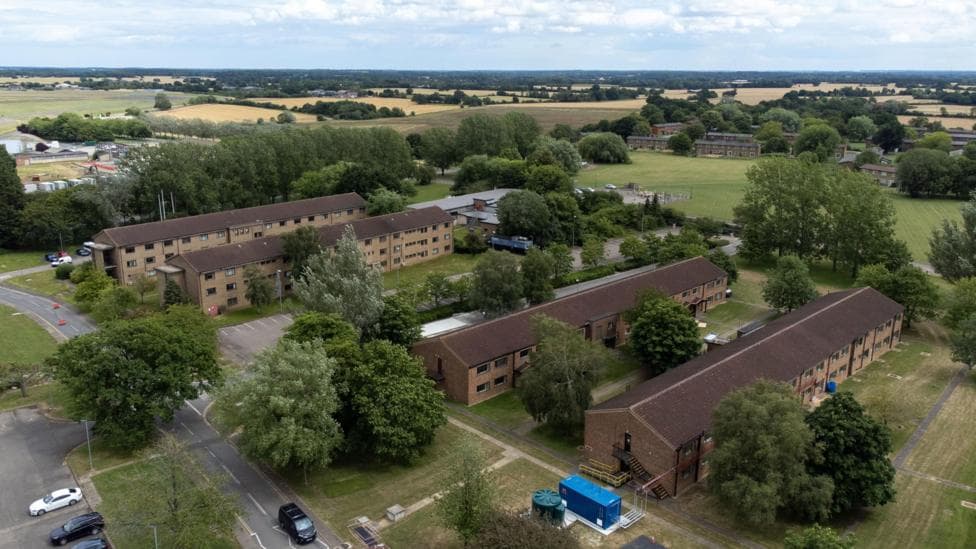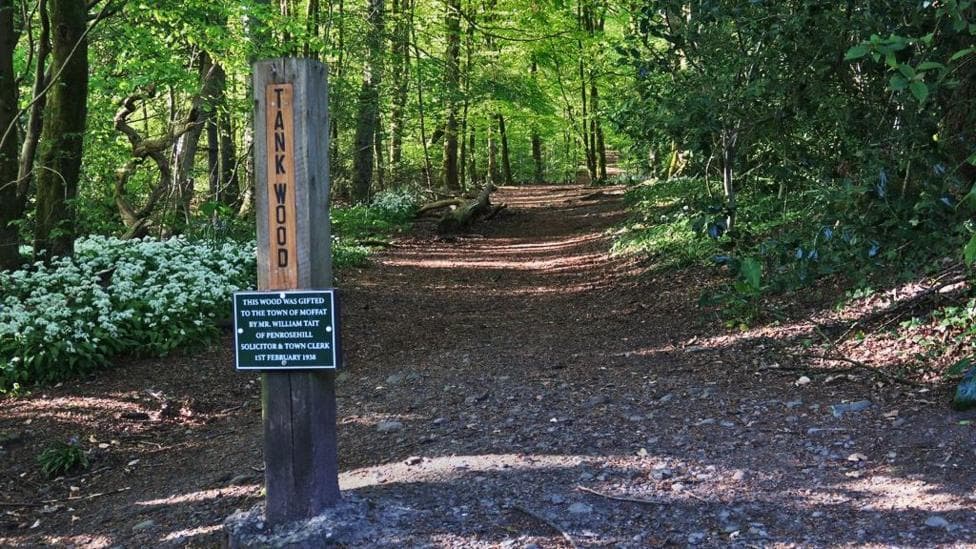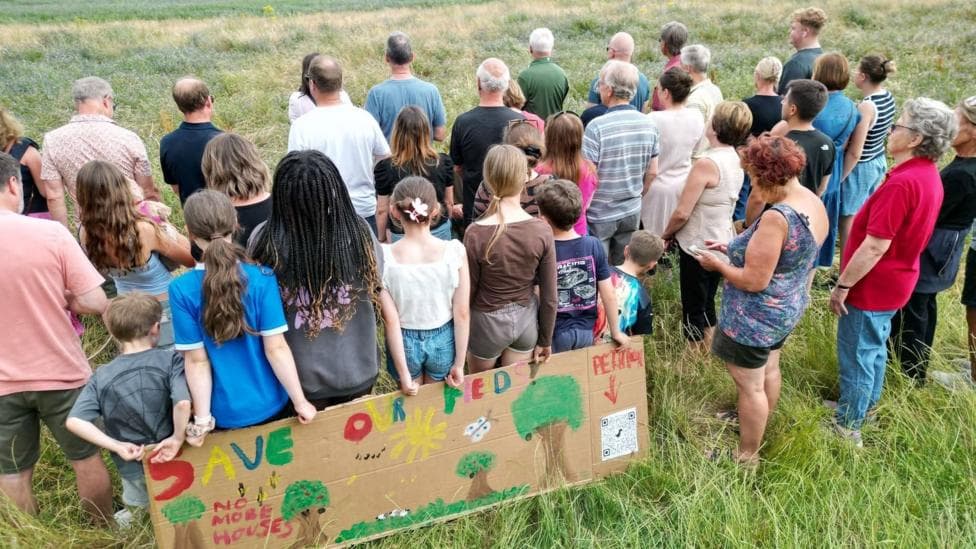
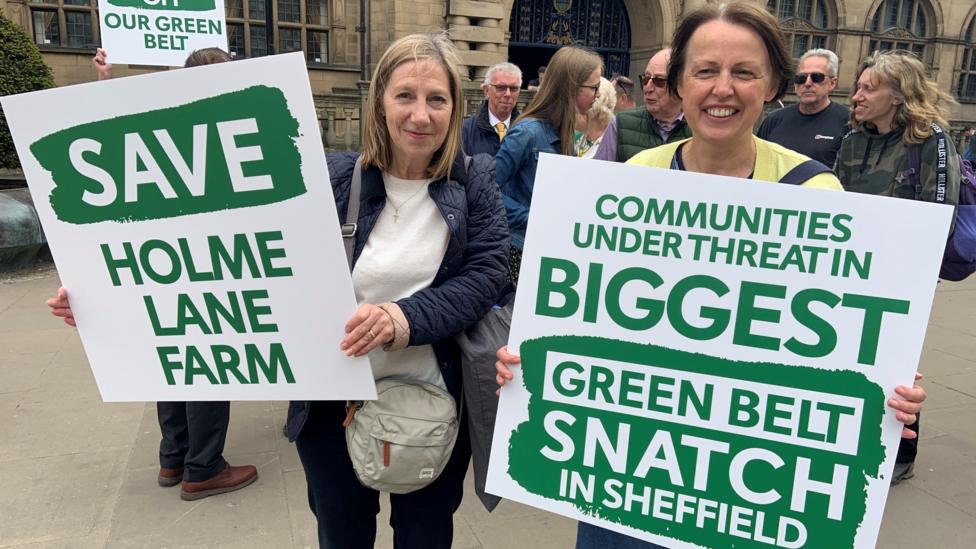
Across England, campaign groups have mobilised to oppose housing developments on green belt land, with protest signs reading "Save Our Green Belt" appearing in dozens of locations. The conflict reflects a fundamental tension: government ministers and developers argue that more homes must be built to address a housing shortage, while councils face pressure on infrastructure and residents fear permanent loss of countryside once boundaries shift.
The dispute centres on whether green belt protection should remain absolute or whether some lower-quality land should be released for housing. This debate has intensified following recent changes to England's planning framework. In August 2026, the planning system was rewritten with codified Green Belt rules, introducing a new "Grey Belt" category for previously developed or lower-value land within green belt boundaries. The revised framework includes eight codified policies (GB1 to GB8) that allow some proposals to proceed through Grey Belt routes and station-led exceptions.
What is driving the green belt debate?
The housing crisis has reignited scrutiny of green belt protections that went largely unchallenged for decades. Two years ago, the Labour government pledged to build 1.5 million homes and proposed making it easier to develop on low-quality green belt land. The then-Housing Secretary stated:
"We are in the middle of the most acute housing crisis in living memory."Developers and housing campaigners argue that an undersupply of homes over decades has locked young people out of the property market.
However, the countryside charity CPRE, the Campaign to Protect Rural England, countered that
"targeting the green belt is a choice, not a necessity", suggesting brownfield sites should be prioritised instead.
How are communities responding?
Residents in multiple regions have formed action groups to oppose specific developments. In Hagley, Worcestershire, a village near Birmingham, Lee Fowkes and neighbours established the Save Hagley Action group after proposals emerged for approximately 180 homes at the village's southern edge. Fowkes, who has lived in the area for 26 years, chose the location specifically for its proximity to green belt countryside.
"Losing the green belt here would be terrible,"he said, arguing that
"We've already proven the local infrastructure can't cope. Our hospitals are full."He added that
"There are plenty of disused brownfield sites that could be developed first."
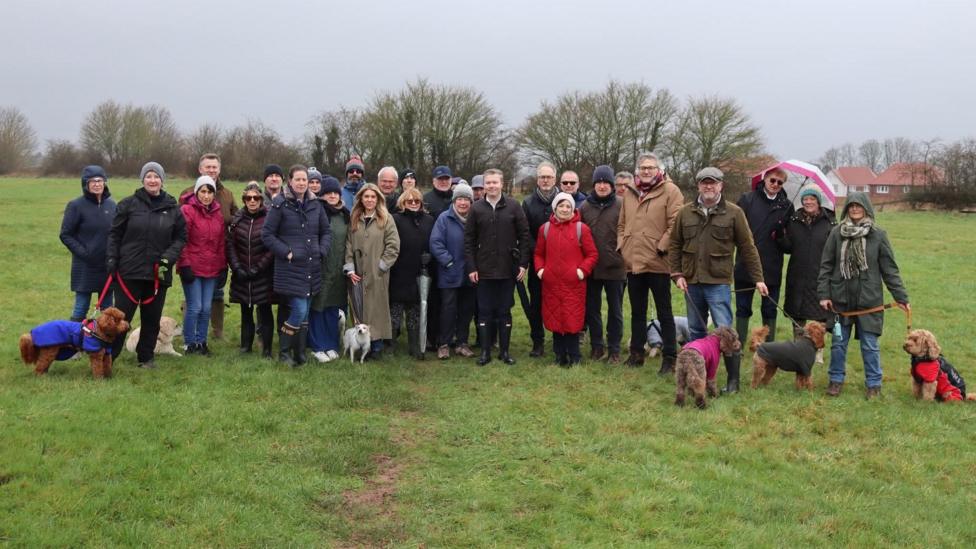
Developers Ashberry Strategic Land and Bloor Homes responded that their Hagley proposals would include substantial green space and open areas while meeting local housing demand.

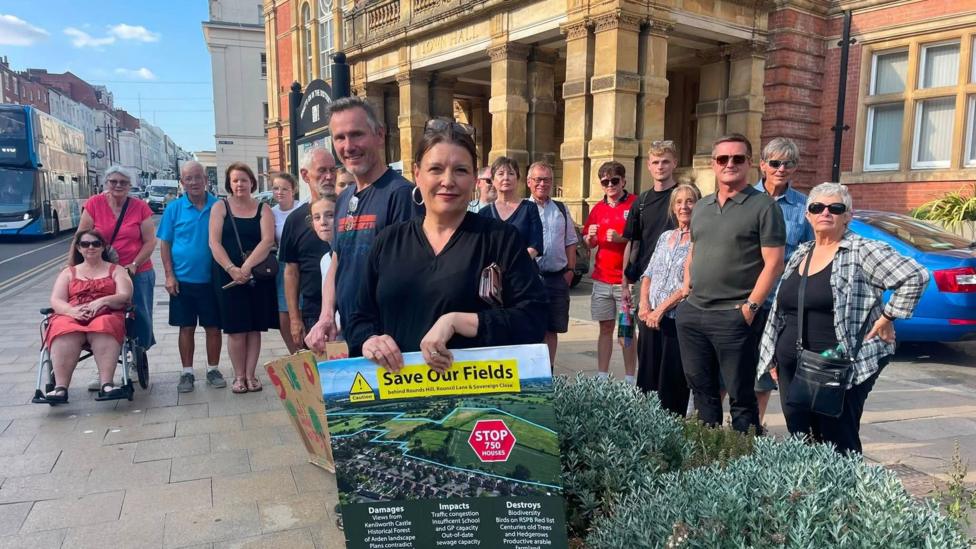
Similar campaigns have emerged across England, including in Shropshire, Dudley, London and Sheffield. In Warwickshire, Malcolm Lines and other residents formed Save Our Fields after learning of plans for 700 homes on green belt land near Kenilworth Castle.
"It's the loss of historic land,"Lines said.
"It's just the wrong place - it's unsound, unviable land. It's just not sustainable."His group's primary concern is that development would harm the heritage setting of the castle.
Lines warned of a cascading effect:
"Once you start to release green belt land, you start to coalesce with other settlements. Once you release the hard line, you make future developments much less sustainable."
Why does the green belt matter to communities?
For campaigners, the green belt serves purposes beyond preserving open countryside. It functions as a buffer between towns and cities, maintaining community character and preventing urban sprawl. Residents emphasise that once green belt boundaries are breached, the change cannot be reversed—the land is lost permanently.
The modern green belt system emerged from post-war planning policy. Following World War Two, the Town and Country Planning Act 1947 created the contemporary planning framework, enabling councils to designate protective rings of land around urban areas. This led to green belt designation across the country as a mechanism to control sprawl and preserve open space. Today, green belt covers approximately 12.5% of England.
How have planning rules changed?
The 2026 planning reforms represent the most significant overhaul of green belt policy in decades. The new framework distinguishes between traditional green belt land, which remains protected, and "Grey Belt"—a new category for lower-value or previously developed land within green belt boundaries. According to planning guidance, the Green Belt is intended to keep land permanently open and limit urban sprawl, while the 2026 changes introduce the Grey Belt category for some lower-value land within it.
The revised rules allow certain proposals to proceed through Grey Belt routes, station-led exceptions, and other qualifying schemes that meet "Golden Rules" criteria. This represents a shift from the absolute protection that characterised green belt policy for most of the post-war period.
What happens next?
Planning consultations are underway in multiple regions. A London green belt consultation opened on 16 July 2026 and remains open until 15 October 2026, allowing residents and stakeholders to comment on proposed growth locations. Meanwhile, the government's planning data service updated the Green Belt dataset on 10 September 2026, with annual local authority returns to be published in autumn following collection in March. These datasets will provide the first comprehensive picture of how the new rules are being applied across England.
Key facts
- Campaign groups opposing green belt development have been established in Hagley (Worcestershire), Kenilworth (Warwickshire), Sheffield, Dudley, Shropshire and London
- The 2026 planning reforms introduced eight codified Green Belt policies and a new "Grey Belt" category for lower-value land within green belt boundaries
- Green belt covers approximately 12.5% of England and was established under the Town and Country Planning Act 1947 to prevent urban sprawl
- The London green belt consultation closes on 15 October 2026
- Planning data on green belt implementation will be published in autumn 2026