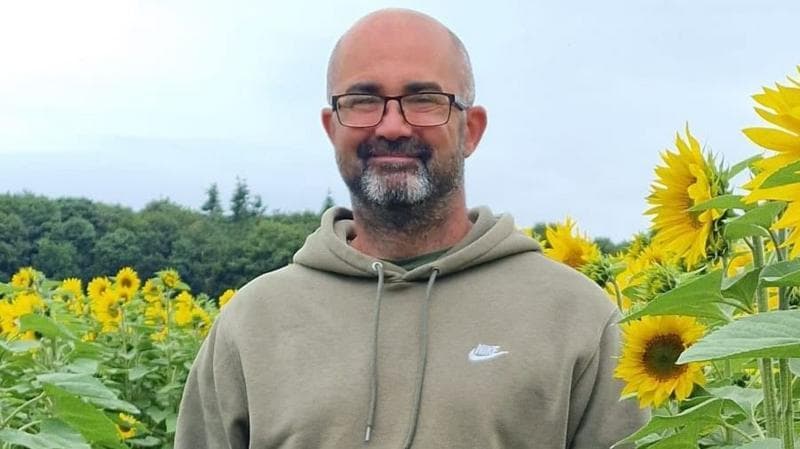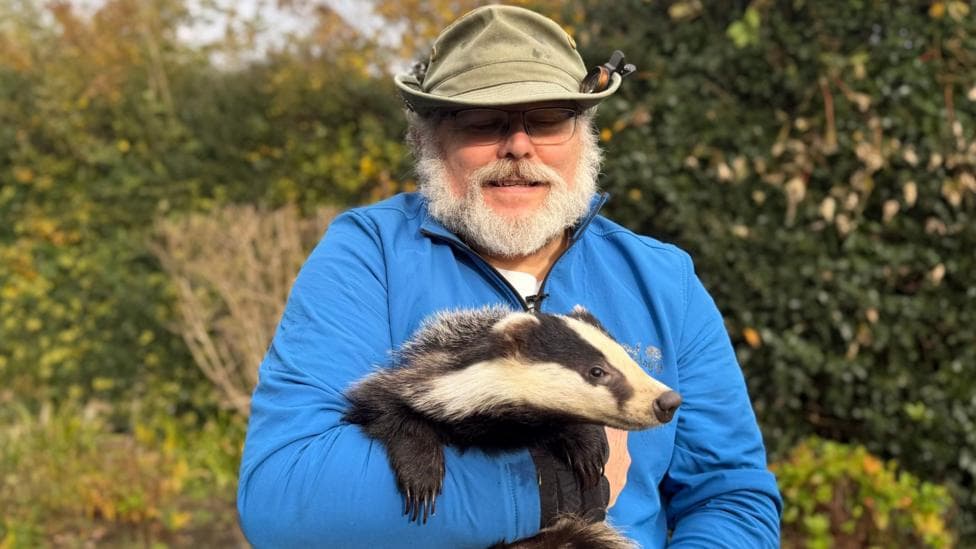
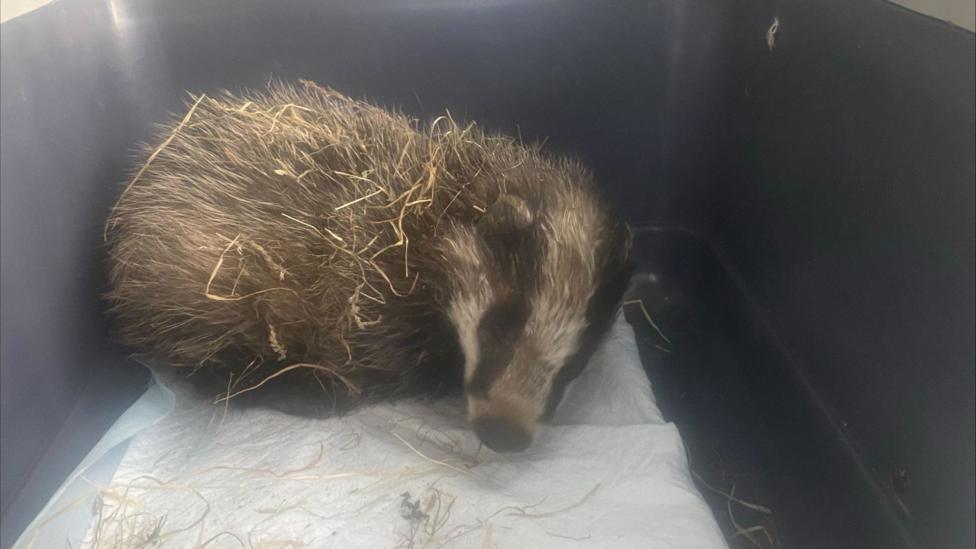
An ecologist in the Scottish Borders is fighting for permission to keep a badger he rescued from starvation, arguing that the animal has become too accustomed to human care to survive in the wild. Graeme Wilson was called to help the cub, named Harriet, in April after she was discovered in a cattle trough 100 metres from her sett. According to BBC News, Wilson has nursed the badger back to health but believes she was hand-reared before he found her, making release impossible.
NatureScot, the public body responsible for Scotland's natural heritage and wildlife, rejected Wilson's application for an educational licence to keep the animal. The organisation said it is continuing discussions to find a "pragmatic solution" to the situation.
Wilson runs GW Ecology, a small independent rescue and rehabilitation service based at his home in Denholm. The business conducts surveys to identify whether protected species are present on sites earmarked for property development. He also organises bat walks, workshops and educational events focused on wildlife protection.
Wilson describes himself as an "experienced and trained wildlife rehabber" who has cared for various wildlife species over many years. He contends that an educational licence would enable him to enhance public understanding of badgers, wildlife rescue operations and the care of protected species.
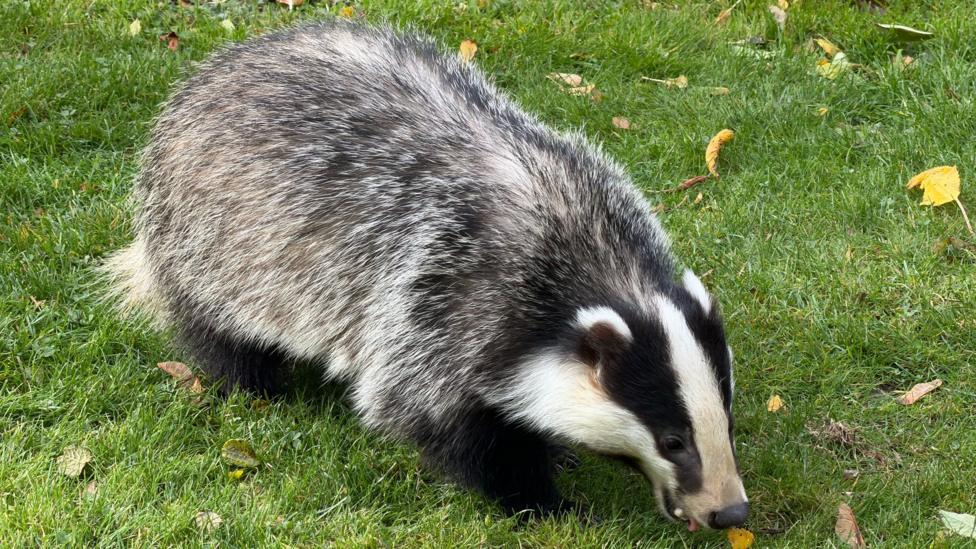
Why can't Harriet be released into the wild?
Wilson maintains that Harriet cannot be returned to her original location because her behaviour demonstrates she was previously hand-reared. When he rescued her, the cub took to bottle-feeding with remarkable speed. Wilson explained:
"It was almost second nature when she saw the bottle. I have cared for injured badgers before and never have I seen something like it. It was clear then she couldn't be released back into the wild."
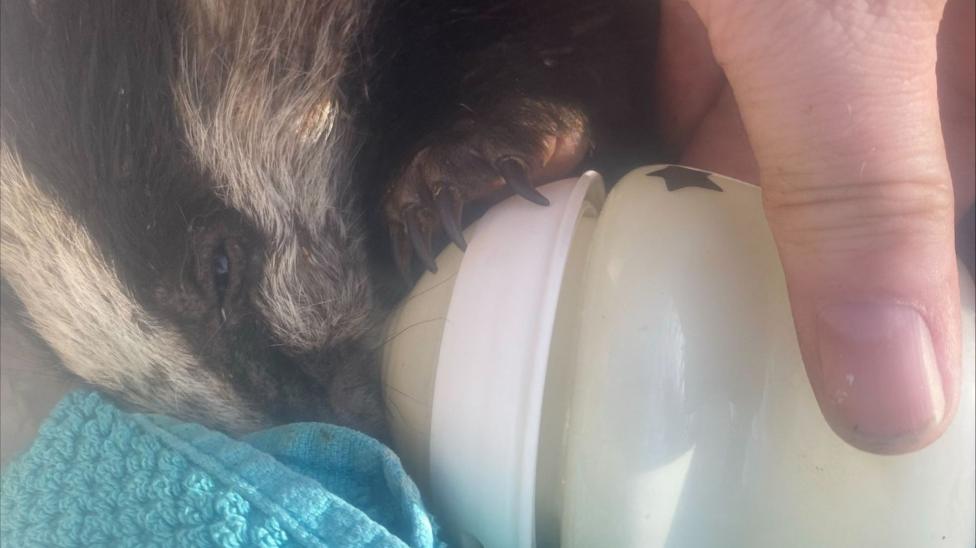
He argues that releasing Harriet into the wild would result in injury or death.
"Badgers are companion animals, they are a social animal and unfortunately for Harriet she has decided that humans are her social group. Can you imagine Harriet approaching someone on a dog walk or in the street? There is only one way that would end."
NatureScot initially suggested that Harriet should either be returned to the wild or transferred to a zoo. However, Wilson rejects both options as unsuitable for the animal's welfare.
Why would a zoo be inappropriate?
Wilson contends that a zoo environment would be harmful to Harriet's wellbeing. He believes she would become isolated and experience unnecessary distress in captivity.
"Harriet's upbringing means she needs human interaction, not to be put behind glass and stared at,"he said.
What is Wilson's proposed solution?
Wilson is seeking an educational licence that would allow him to keep Harriet while using her presence to promote public understanding of badgers and wildlife rescue. Under Scottish law, licences issued under the Protection of Badgers Act can authorise possession for scientific, educational or conservation purposes, or for zoological gardens or collections, distinct from general pet-keeping permissions.
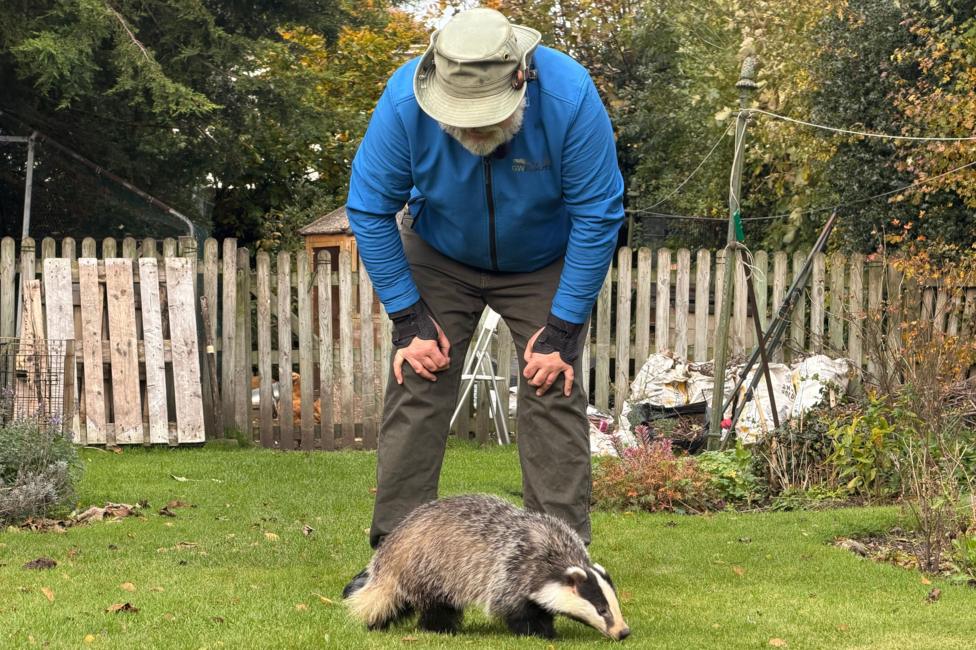
Wilson has received support from several badger rescue groups across Scotland in his bid to retain custody of Harriet. However, he acknowledged that his options may be limited despite this backing. Police Scotland has been made aware of the situation.
What is NatureScot's position?
NatureScot stated that the welfare of the badger is its primary concern while considering the case. A spokesperson said:
"We are continuing discussions with Mr Wilson and other relevant organisations to try and find a pragmatic solution to this individual situation. The welfare of the badger is, of course, key while we consider the circumstances of the case."
Badgers and their setts are protected in Scotland under the Protection of Badgers Act 1992, as amended, with offences including taking or possessing a badger without lawful authority. This legal framework underpins the regulatory challenge Wilson faces in his attempt to keep Harriet.
What should the public do if they find a badger?
The Scottish SPCA advises that any badger cub found outside its sett before reaching approximately 12 weeks of age—roughly the size of a domestic cat—is likely to require assistance. Members of the public who encounter a sick or injured badger should not attempt to hold or touch the animal until a rescue officer arrives.
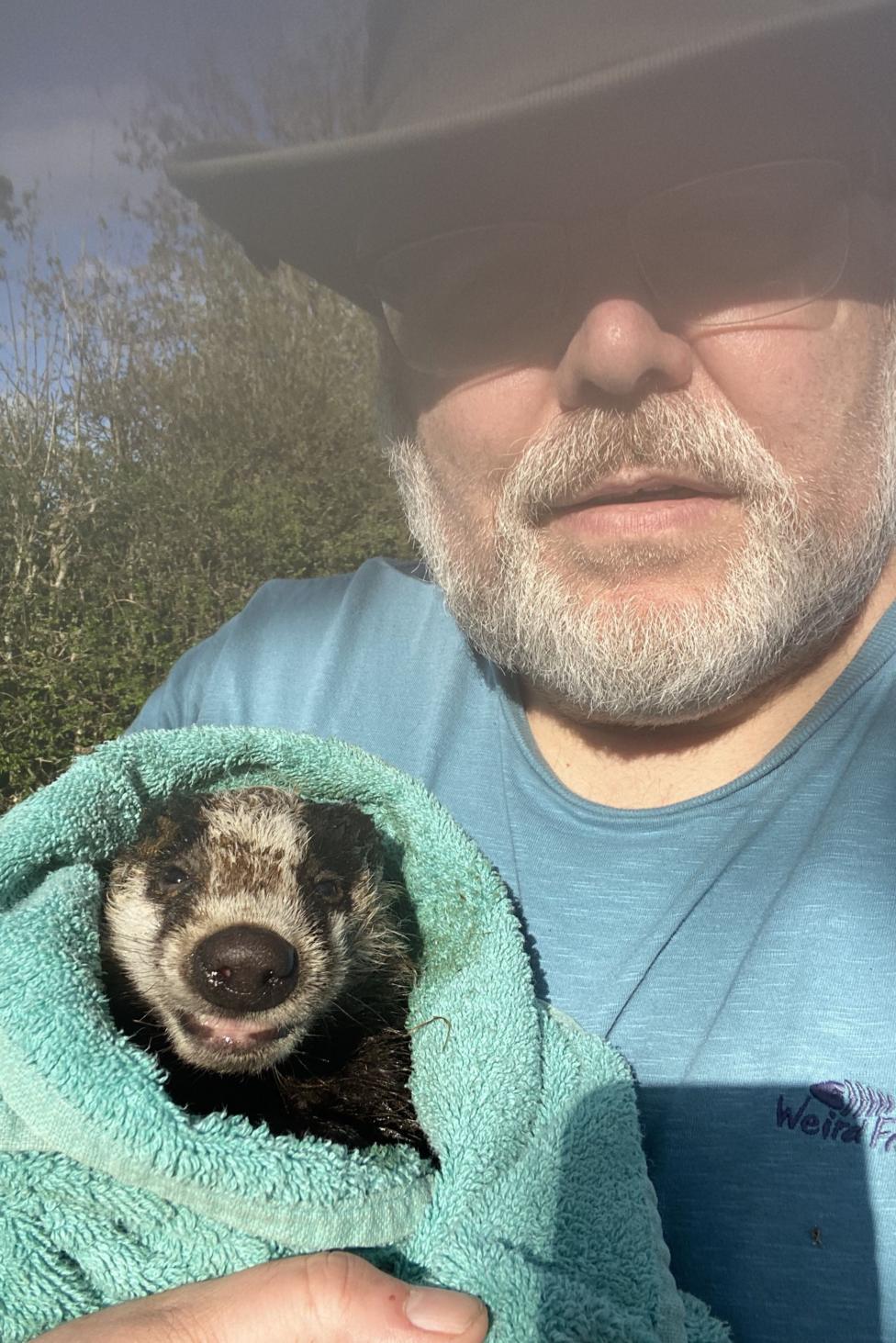
The Scottish SPCA cautioned:
"Badgers can become aggressive if they are in pain or feel threatened; they can give a nasty bite and their sharp claws could cause serious injury, if you try to catch it. You should also contact us if you find a badger during daylight hours as they may be struggling."
Anyone discovering a badger in distress should contact the Scottish SPCA rather than attempting a rescue themselves, ensuring both human and animal safety during the intervention process.