Faced with soaring fees for driving tuition, many learner drivers across the UK are supplementing formal lessons with online tutorials from YouTube and TikTok, though professional instructors caution that digital content alone cannot replace hands-on training and could pose serious safety hazards.
The financial burden of learning to drive has become substantial. According to the Driving Instructors Association (DIA), the total cost now stands at approximately £2,460—a rise exceeding £570 since 2020. Individual lesson fees range from £35 to £50, with the RAC noting that the average learner requires 45 hours of instruction plus a further 22 hours of independent practice. Beyond tuition, learners must also budget for a theory test (£23), a practical test (£65), and temporary driving insurance, which typically costs £40 to £50 monthly.
This financial pressure has coincided with persistent delays in the testing system. According to recent reporting, learner drivers continue to face approximately 20-week waits to book practical tests, with the median booking-to-test interval remaining at 11.1 weeks as of August 2026. A July 2026 analysis found that learners actually waited an average of 12.8 weeks across centre medians, while current appointment availability extended to 20.2 weeks.
How are learners using social media to reduce costs?
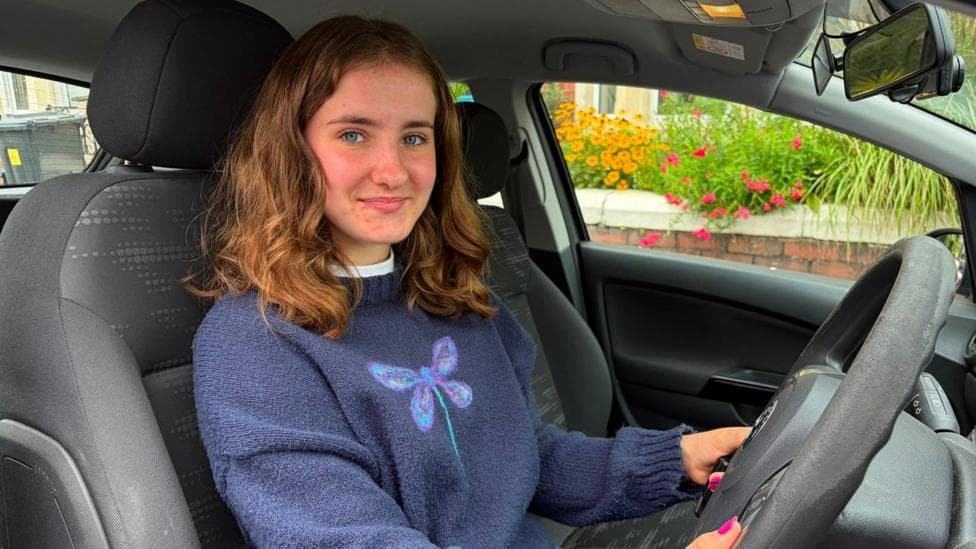
Megan Kielthy, 18, who passed her driving test in August, credits online video content with helping her manage expenses. Despite opting for a trainee instructor to economise, her total outlay still exceeded £1,000. She earns £10 per hour through babysitting, which she directed toward her £30 lessons alongside parental support.
I don't think that I would have been able to do it without the financial support from my parents. I found that having access to YouTube allowed me to cut costs. I would learn all the content with my instructor but then I was able to revisit content and then if there was something in a YouTube video that I didn't know, that I didn't fully understand, I was able to go back to my instructor and ask him.
Megan noted that her prior experience with online learning during the Covid-19 pandemic made the transition to digital educational content feel natural. However, she encountered significant problems with the quality and accuracy of material available online.
I stumbled across an AI image of a roundabout showing which lane to be in for the exit and it just made no sense. I showed it to my driving instructor and he agreed it was ridiculous. If people solely relied on online content it could lead to people going on their test unprepared or misinformed of what they're going to experience on their test and driving after.

Betsi Seward, 18, who is currently learning to drive while studying at college and working part-time, has similarly found social media algorithms directing her toward driving-related content. She has discovered some videos genuinely helpful—particularly tutorials on emergency stops that clarified clutch placement—but remains cautious about the reliability of what she encounters.
When you post people making mistakes, that is what is going to get the attention and interaction. There are also random accounts of people using AI to generate mock tests like the routes... and it's obviously not real. But then if you're just learning to drive and you haven't had a few lessons, you wouldn't know that and it's quite scary actually, because if you take that information into the car with you and it's wrong, then it's quite dangerous actually and quite scary.
Betsi acknowledged the financial reality facing her generation:
I am lucky I have a part-time job and can afford to fund it myself but if I didn't, it would be so difficult.
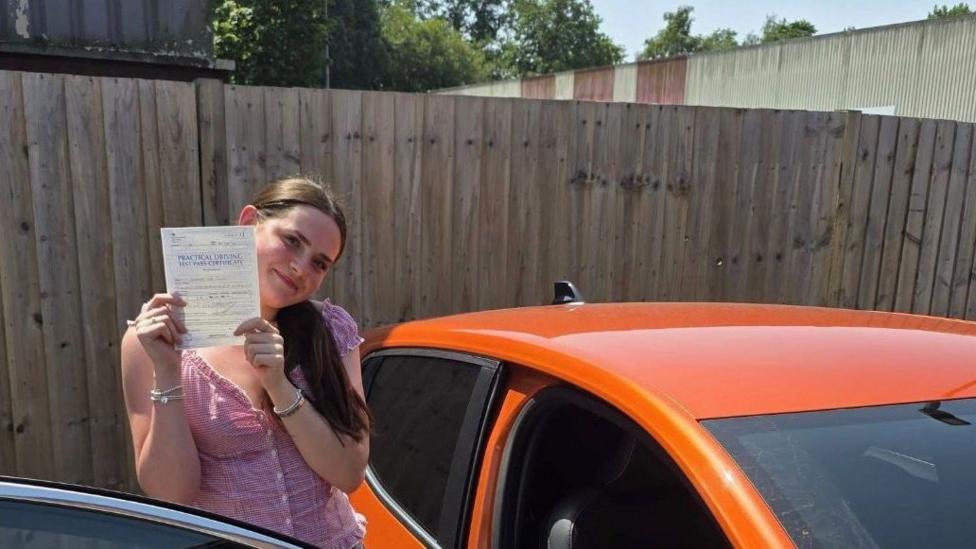
Savannah Jones, 20, from Cardiff, who works in childcare, took a different approach. Her father funded her lessons, which totalled approximately £2,000, and she passed her test in June on her first attempt. While she watched YouTube videos and TikToks to deepen her understanding, she did not rely on them as a primary learning tool.

I was watching a few YouTube videos. I saw a lot of TikToks. It was very much most of my algorithm was learning to drive, tips and tricks. I think it could help someone cut the cost but not for me personally. I would watch to understand it a bit more and apply that when learning.
What do professional instructors say about online learning?
John Reynolds, a driving instructor with 13 years of experience, began producing his own social media content last year. His videos cover test routes, common errors, and specific manoeuvres, and he also publishes longer YouTube tutorials aimed at learners who cannot afford formal instruction.
I started making short videos for learner drivers to actually learn something outside of driving lessons and to learn things which they need to know for the driving test. I also do long videos on YouTube so people who can't afford driving lessons have got the opportunity to find out the correct way to do things for the test. So by doing these extra lessons online, it can help bring down those costs.
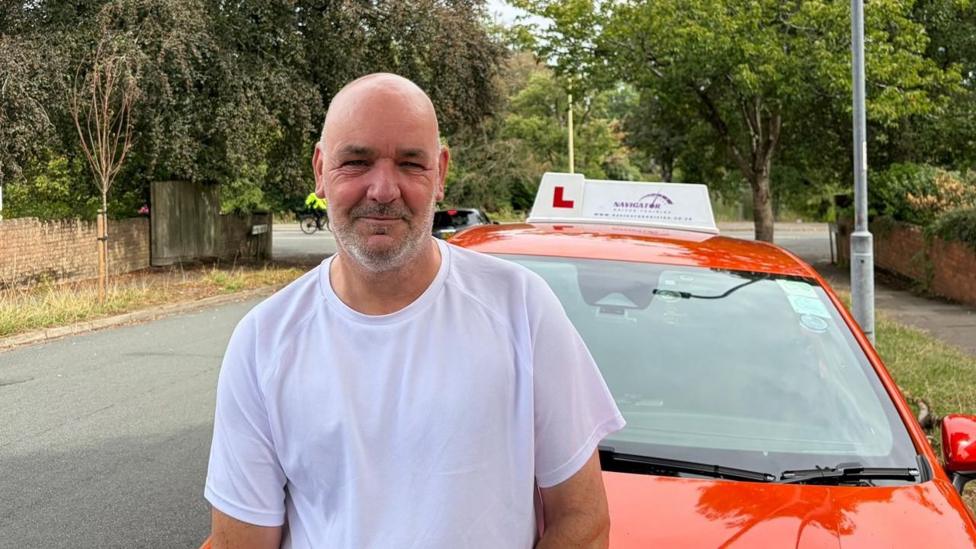
Reynolds emphasises that online material should complement, not replace, professional tuition. He has observed learners who have watched other instructors' videos and noticed they often misapply techniques specific to particular vehicles rather than understanding universal principles.
I know straight away [if] they have been watching another video. I found that there was a lot of things on there where instructors would say 'this is how you do it, this is how you shouldn't do it' and being very specific to the car they're actually teaching. So what I try to do with mine is make it more universal so it doesn't matter what car you're driving.
He cautioned learners about responsible use of online resources:
It needs to be used responsibly and it's looking for those snippets of information to actually improve your driving. You need the practical skills to make those actual decisions. When you then try that road, it's a totally different scenario.
What are the broader safety concerns?
Carly Brookfield, representing the DIA, acknowledged the value of digital education but stressed the irreplaceable role of professional instruction. She expressed concern that while someone might accumulate enough theoretical knowledge to pass a 45-minute test, this falls far short of genuine road competence.
I'm a huge advocate of using digital education as something that goes hand in hand with practical training from a professional trainer. That's excellent from the cost perspective, but it's also excellent because the most exposure you can get to driver education in this period, the safer you are. [But] I'm going to be very frank with you here. You could possibly learn enough on YouTube and TikTok and you could possibly fluke a 45-minute driving test. What is the ultimate test of your driving and your driver education to that point is when you [are] on your own and you can cope with those risks. When it comes to road safety, we're talking about life and death.
The Driver and Vehicle Standards Agency (DVSA), the UK government body responsible for road safety standards, acknowledged the role of supplementary learning materials. In a statement, the DVSA noted:
Alongside the advice of an Approved Driving Instructor (ADI) and using official learning guides and the Highway Code, there are many ways that learner drivers can supplement their preparation for the driving test. This may include reputable social media content and also private practice with a relative or friend.
What is the broader context of rising costs?
The financial pressures on learner drivers have intensified in recent months. Rising fuel costs linked to geopolitical tensions have contributed to increased lesson prices, while persistent test booking delays have extended the overall timeline for obtaining a licence. A 2026 guide estimated the typical full cost of learning to drive at £2,000 to £2,500, depending on the number of lessons, test attempts, and insurance arrangements.
The DVSA's business plan for 2025 to 2026 set a target of maintaining average theory-test waits at four weeks or less, though practical test delays have proven more resistant to improvement. The agency has aimed to bring national car practical test waits down to seven weeks or fewer, but current performance remains substantially above this target.
Key Facts
- Learner drivers now face total costs of approximately £2,460 to obtain a driving licence, up more than £570 since 2020.
- Many learners are turning to YouTube and TikTok to supplement formal instruction, though instructors warn that online content can contain AI-generated misinformation and should never replace professional tuition.
- Practical driving test waits currently average around 20 weeks for bookings, creating additional financial and time pressures on learners.
- Professional instructors emphasise that while digital resources can help reduce costs, genuine road safety depends on practical skills developed through hands-on training with qualified instructors.
- The DVSA recognises that reputable social media content can supplement official learning materials, but only when used alongside formal instruction and the Highway Code.