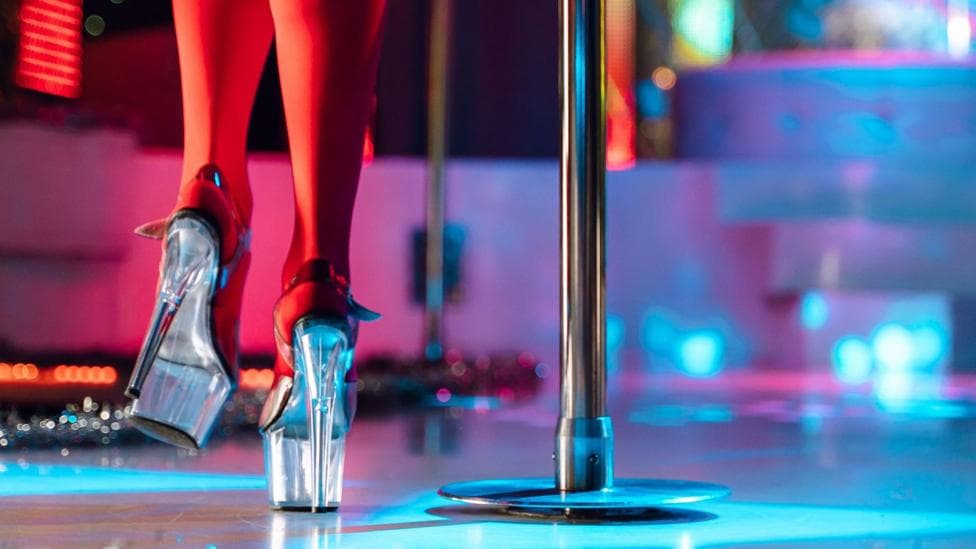
A policy shift by Aberdeen City Council to phase out strip clubs has sparked debate over whether the move will drive the industry underground and create greater risks for workers. The council's licensing committee adopted a "presumption against" granting new licences in early September 2026, meaning existing venues can continue to renew their operating permits, but any club that closes or changes ownership will not be replaced.
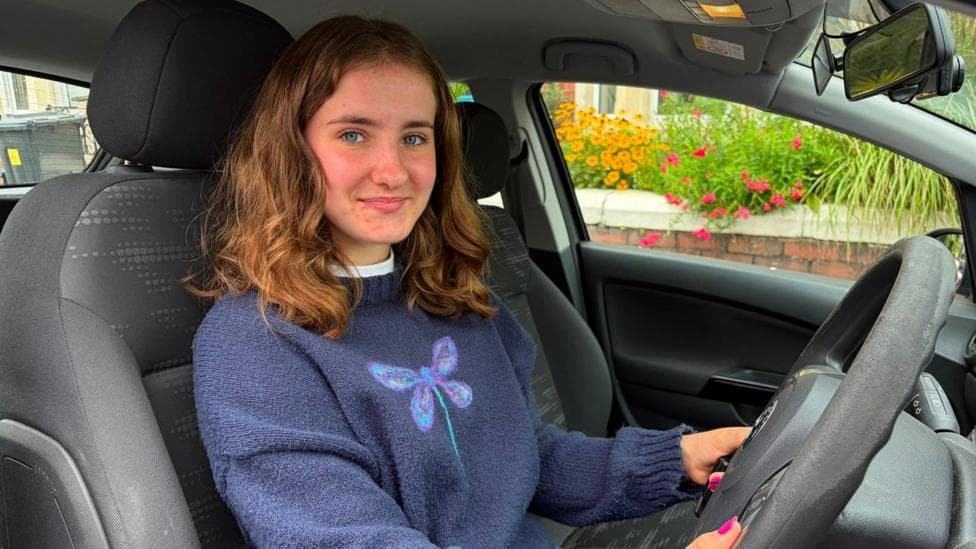
Dancers and club owners have raised alarm that the gradual elimination of regulated venues could push the industry into unregulated spaces where safety protections disappear. One performer, who uses the pseudonym 'Amy' to protect her identity, expressed concern that removing legal frameworks would eliminate the safeguards currently in place.

"We have the power to say no here,"Amy explained, referring to the rules that allow workers to decline requests.
"I think it would be more unsafe if you took away the rules and regulations. It's never going to go away, but being able to do it in a safe place, that can go away - if you took away that safety, it absolutely would go underground. That's when it does become dangerous for the girls, as we don't have the safety net. If you took away the rules and regulations that allow us to say no it becomes dangerous."
Who works in Aberdeen's strip clubs?
Amy, in her early 30s, has worked as a dancer at one of Aberdeen's five sexual entertainment venues for more than a year. She emphasised that the workforce comes from diverse backgrounds and circumstances.
"We're all somebody's sister, some of us are people's mums, she said. "Some of us have businesses. Some of us are students."She described her experience at the venue as positive, stating
"I've never felt unsafe in this club"and noting that
"I love pole dancing. It's just fun. It gives me confidence."
How will the licensing change work?
Under the new framework, existing clubs retain the ability to submit renewal applications annually. However, the policy represents a fundamental shift in how the council manages the sector. According to the council's policy document, the licensing committee can set the appropriate number of premises for a locality at nil, and the current upper limit stands at six premises in the city centre and zero outside it. This means that when a venue closes or ownership transfers, that licence will not be issued again, allowing the total number of clubs to decline organically over time.
Aberdeen introduced sexual entertainment venue licensing in March 2022, establishing rules that confined venues to the city centre and capped their numbers. A 2026 council report indicated that councillors aimed to "eventually reduce the limit to zero," with the effect being that venues would reduce organically if they stopped trading.


What are business owners saying?
Tony Cochrane, who owns two strip clubs in Aberdeen, expressed frustration at the decision, describing it as arriving
"out of the blue."He characterised the council's approach as a
"moral crusade as opposed to a safety issue"and outlined the financial implications for operators.
"We purchased this building, we spent lots of money refurbishing it, knowing that if we kept a good clean operation we should be able to keep going, and if we wanted to sell it on in the future we could do. But they are trying to stop it so the licence stops with you. Which basically means that the business has zero value and that could be a major problem in the future."
Cochrane echoed the concerns raised by dancers about the risks of driving the industry underground. He pointed to what occurred during the Covid lockdown as evidence of this danger.
"When clubs had to close, people would instead approach the girls and ask for private events. That's just an example of what would happen if these places closed."
What is the council's reasoning?
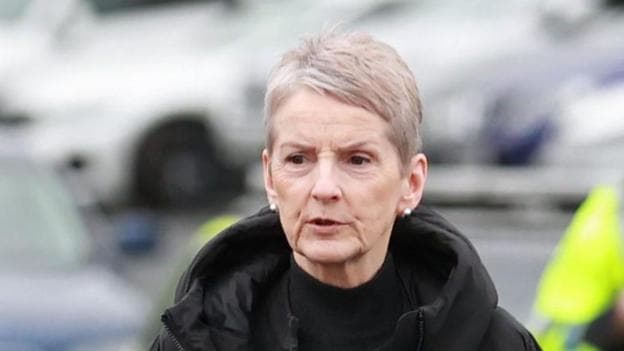
The city council framed the decision as a matter of public safety. Councillor Steve Delaney stated that the committee believed social attitudes had shifted.
"What might have been classed as acceptable entertainment, many people think differently of nowadays,"he said.
"We're not trying to put anybody out of business. Any change will happen over time. It's just a case of the world has changed and we feel it's time."
Who supports the change?
The Aberdeen Violence Against Women and Girls Partnership (VAWGP) welcomed the council's decision. A spokesperson stated that
"This position aligns with that adopted by the VAWGP that sexual entertainment venues are a form of commercial sexual exploitation, which is incompatible with gender equality and contributes to the objectification of women."The partnership added that it
"supports measures that reduce and ultimately eliminate commercial sexual exploitation."
What precedent exists elsewhere?
The debate in Aberdeen follows a significant legal development in Edinburgh. In 2023, a ban on lap dancing clubs in Edinburgh that was scheduled to take effect was overturned after a group of club owners and performers mounted a legal challenge. That case demonstrated the legal complexities surrounding efforts to restrict or eliminate the sector, and it remains relevant to Aberdeen's approach.
What happens next?
Existing venues are expected to continue applying for annual renewals under the new policy. Any closure or sale would likely trigger a permanent loss of that site as a strip club, meaning the number of licensed venues will gradually decline as businesses cease operations or change hands. The council's licensing fee schedule lists a sexual entertainment venue renewal fee of £263, which existing operators will continue to pay annually. Aberdeen's strip clubs have not yet had their final performance, but the policy change means their long-term future in the city is now limited.