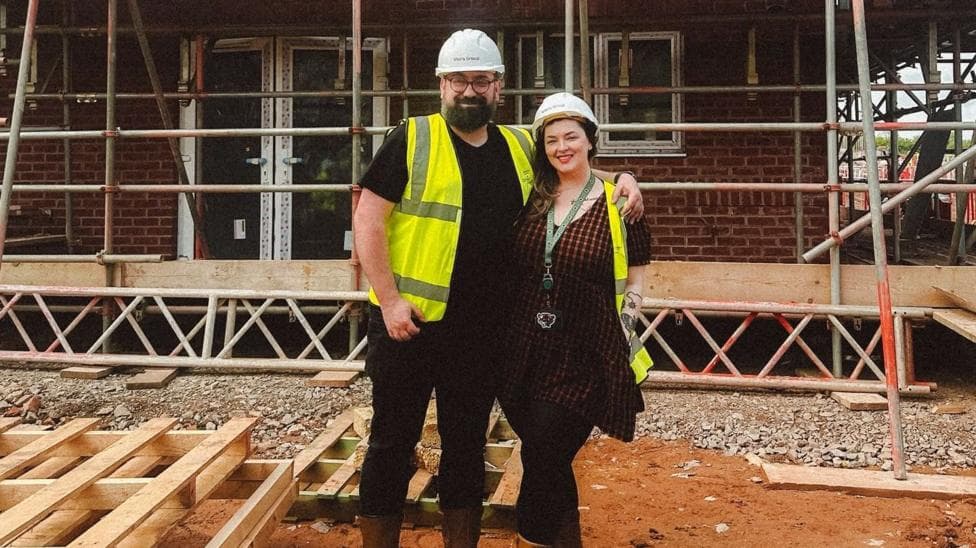
Charles and Georgina Barnes collected the keys to their first home in February 2026, marking the end of three years of saving. Within days, however, their excitement turned to alarm when an independent inspection revealed 150 defects throughout the property, ranging from fire safety failures to structural concerns and poor workmanship.
The couple's experience reflects a widespread problem affecting new-build buyers across the UK. According to written evidence submitted by the New Homes Ombudsman Service, a national survey of new-build customer satisfaction published in March 2025 found that 93.7% of buyers reported defects or snags after moving in, with just over a quarter discovering more than 15 problems in their homes.

The inspection of the Barnes' property in south Leicestershire, conducted by Swansea-based New Home Quality Control, identified issues including incorrectly installed fire barriers, evidence of previous water damage, improperly fitted roofing elements, low water pressure, and what inspectors described as
"exceptionally poor"installation of the gas meter cabinet and gas pipe. More than a dozen additional cosmetic and finishing defects were also recorded.
Georgina, 36, had paid £299,995 for the house and considered independent snagging inspection essential.
"We just wouldn't have known,"she said of the fire barrier issues.
"If there had been a fire, that's one thing that could have happened and been very detrimental."She described the moment of purchase as transformative:
"It just felt unbelievable that we'd finally done it. We actually finally got our own place. This is ours. This is ours to do what we want with. It just felt great."However, discovering the scale of defects proved sobering.
"I would say for any new-build buyer, 100% no doubt, I recommend a snagger,"she advised others.
The property was built by Countryside, part of Vistry Group. A Vistry spokesperson stated the company supported
"appropriately conducted independent inspections as an additional source of reassurance about build quality"and confirmed that each home undergoes checks by its teams, with independent inspections followed by a meeting two to three weeks after customers move in to discuss and agree snagging work. Homeowners can pursue defect complaints and warranty issues through Countryside's regional customer-service teams, and Vistry's formal complaints process commits to resolving issues and learning from customer experiences.
Why are so many new homes defective?
The problem prompted John Cooper, 50, to leave his career in construction. While working as a contracts manager in 2018, he was asked by a site manager to conceal a defect from an incoming customer.
"The site manager asked me to hide something from a customer that was moving in the next day."This incident crystallised years of frustration with poor workmanship he had witnessed.
"From that moment on, I thought to myself 'I've got to make a change in this industry somehow. This can't continue',"he said.
Cooper and his supervisor Lee Challenger, 42, quit their jobs and founded New Home Quality Control. The company has never inspected a property without identifying defects.
"We've never inspected a house and found absolutely nothing wrong with it,"Cooper stated.

The most common defects involve brickwork, carpentry and roofing. Cooper attributed this partly to labour constraints:
"I just think that there's not enough quality bricklayers to build the amount of properties that the developers are building across the UK on a yearly basis."His teams regularly identify missing or incorrectly installed weep vents—openings in exterior walls designed to allow moisture to escape. In some cases, inspectors have found decorative plastic pieces installed instead of functioning vents.
"They thought they could get away with it,"Cooper said.
The National House Building Council (NHBC) is responsible for inspecting properties before handover and signing them off as meeting regulations. Cooper expressed scepticism about this process:
"I'm sick of hearing every property being signed off, because if that was the case, then we wouldn't have a company."

What emotional toll do defects take on buyers?
Many of Cooper's clients experience profound distress upon learning the extent of defects in homes they have purchased with life savings.
"We've had people cry,"he said.
"There were some quite serious issues in their new property and they had spent all their life savings on it."This emotional impact reflects the stakes involved: for most buyers, a home represents the largest financial commitment they will ever make.
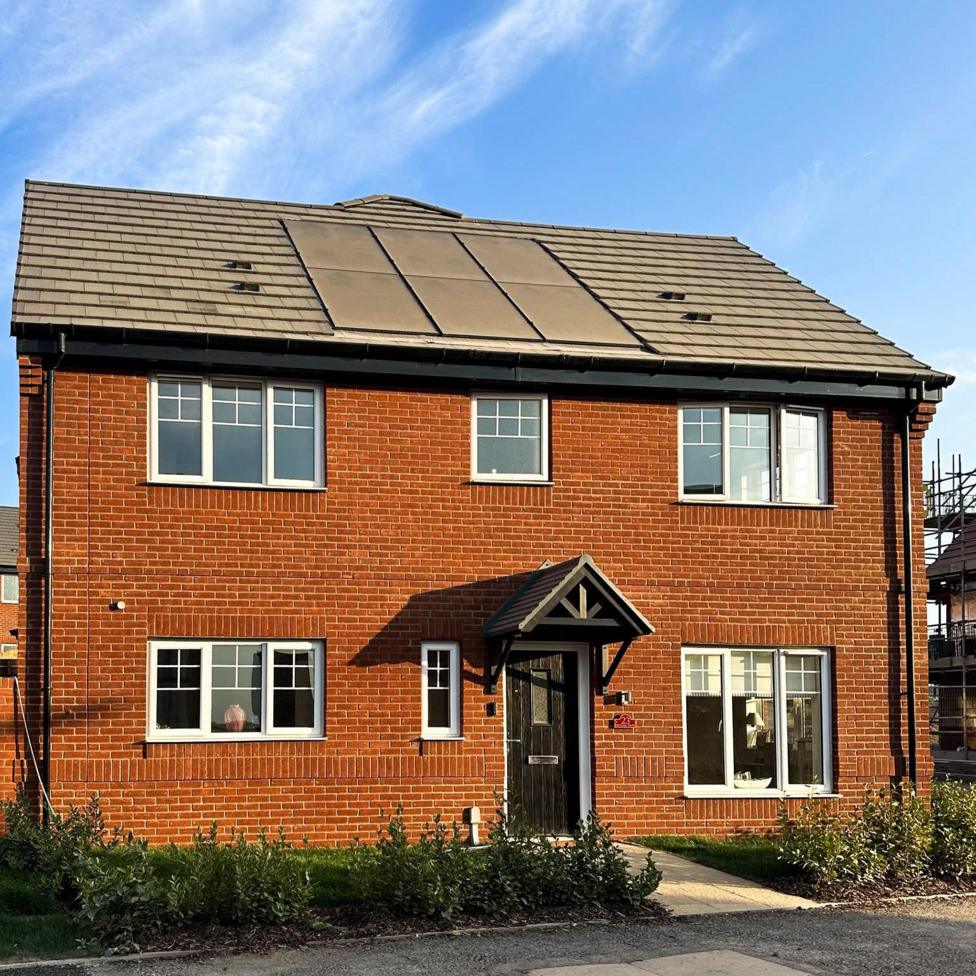
Cooper's long-term vision is for every new-build home to undergo independent inspection before owners take possession.
"If someone's spending their life savings on a house, they deserve to get what they paid for,"he said. Inspections typically take two to four hours depending on property size and cost between £349 and £499. Inspectors use drones, GoPro cameras, cavity cameras, thermal imaging equipment and laser levels to identify defects. Reports are delivered within 48 hours with photographic detail, and homeowners receive two physical paper copies plus a defect tracker to monitor completed repairs.
However, not all buyers can afford independent inspection after spending their entire budget on the property itself.
"Money is tight for a lot of people,"Cooper acknowledged.
What do regulators and builders say?
The NHBC stated that builders bear responsibility for ensuring compliance with building regulations, and homeowners must raise issues with the builder within two years. If problems remain unresolved, buyers can seek resolution through the NHBC. The organisation said it conducts inspections at key build stages and provides feedback on quality.
The Home Builders Federation (HBF), representing the building industry, argued that defects are inevitable given construction's complexity.
"New homes are not made in a factory. They are bespoke products, built by numerous tradespeople, often on sites exposed to all weathers, and it is inevitable that on occasions there are some snags."The HBF stated that
"the vast majority of snagging issues are minor"and claimed there was no evidence that quality standards were failing to keep pace with housebuilding rates.
The federation acknowledged skills challenges across construction but disputed claims that labour shortages were affecting new-home quality.
"Although the industry does face skills challenges in some areas, as does the wider construction industry, we are currently building around 200,000 homes a year versus a need to deliver around 300,000 with no sign of output increasing,"it said. The HBF supported statutory builder registration through the New Homes Quality Board but warned that snagging inspectors remain unregulated.
"Customers need to take care that any inspector they use is suitably qualified and accredited by a professional body, such as RICS,"it advised, adding that
"we do not believe additional blanket inspections are necessary. There is already a comprehensive framework of regulation, building control, warranties and builder quality assurance in place."
The defects discovered in the Barnes' home occur against a backdrop of escalating complaints about new-build quality. Families nationwide have abandoned newly built homes plagued by structural defects, mould and damp, with complaints to the New Homes Ombudsman Service tripling in a year, though the scheme still excludes a third of new properties.
Taylor Wimpey declined to comment. Watkin Jones, Barratt Redrow and Persimmon Homes did not respond to requests for comment.
What government action is underway?
The Welsh government said it was committed to ensuring homebuyers receive high-quality properties and are protected if problems arise. The UK government stated it was investing £39 billion in affordable housing and pledged £625 million to train up to 60,000 construction workers. New government safeguards including a trusted-trader register and milestone-based payment system aim to protect homeowners from rogue builders, though industry figures have questioned whether the measures go far enough.
Key facts
- 93.7% of new-build buyers report defects or snags after moving in, according to a March 2025 national survey cited by the New Homes Ombudsman Service
- Just over a quarter of new-build buyers discover more than 15 problems in their homes
- Independent snagging inspections cost £349–£499 and take two to four hours, with reports delivered within 48 hours
- The most common defects involve brickwork, carpentry, roofing and incorrectly installed or missing weep vents
- Homeowners must raise defect issues with builders within two years to access warranty protection and NHBC resolution routes