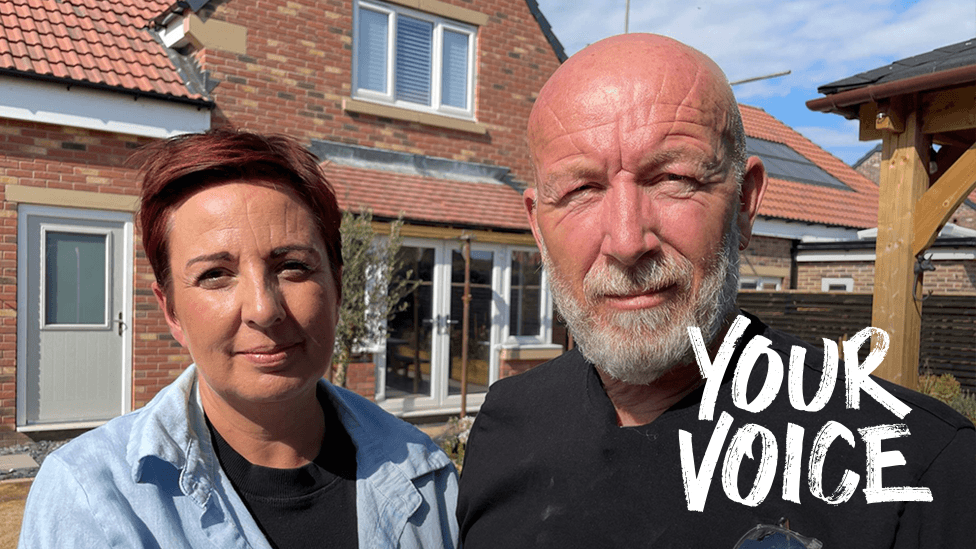
Families across the United Kingdom are being forced to vacate newly constructed properties due to serious structural defects, moisture damage and mould contamination, prompting calls for stronger regulatory oversight of the building industry.
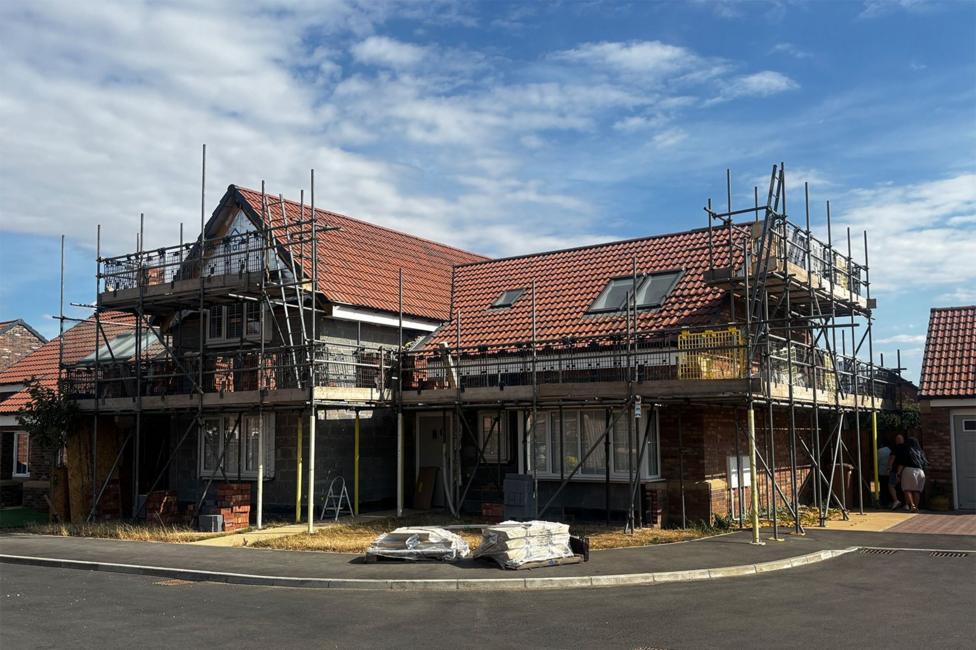
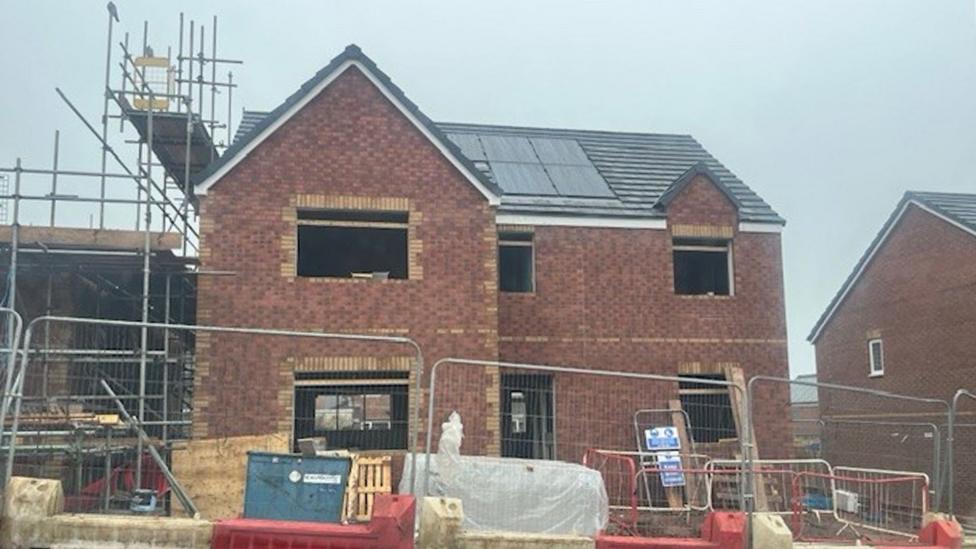
Elissa and Johnnie purchased what they envisioned as their permanent residence in North Lincolnshire in late 2024, but within weeks discovered extensive problems. An independent inspector identified approximately 150 faults throughout the four-bedroom property, ranging from misaligned walls and warped windows to improperly installed kitchen fixtures. The couple have now relocated twice within a single year while repairs proceed, with the dwelling currently stripped to bare breeze block and surrounded by scaffolding.
The stress of the situation has taken a measurable toll on Elissa, who lives with a chronic health condition. She has made multiple hospital visits for chest pain that medical professionals have attributed to anxiety related to the property dispute.
We are strong people, but we are really struggling,she states.
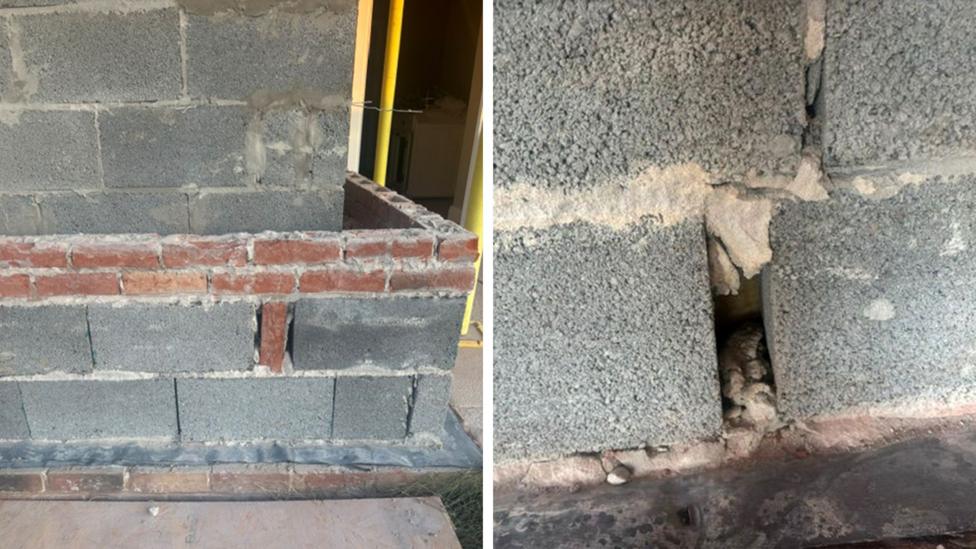
An independent surveyor's assessment commissioned for the developer revealed mortar work of
low standardthat would render
cracking more likely. The report also documented that the home's external walls displayed an
inward leanwith a deviation reaching 50 millimetres—a measurement that far exceeds the 8-millimetre maximum over a three-metre span that structural warranty providers consider acceptable.
How widespread are these problems?
The difficulties experienced by Elissa and Johnnie represent a broader pattern affecting new-build purchasers nationwide. Dozens of homeowners have contacted the BBC describing comparable issues across multiple property types and ownership arrangements. A resident in Somerset reported discovering black mould throughout her residence; a tenant in London described ceiling collapses in her apartment block; and another householder in Essex detailed mould and dampness present upon moving into social housing.
Complaints to the New Homes Ombudsman Service (NHOS) have surged dramatically. The organisation received just over 1,800 complaints during 2025-26, representing a more than threefold increase from fewer than 600 the previous year. Defects and snagging issues constituted the most frequently reported problems. The ombudsman attributes the rise partly to expanded eligibility for the service and heightened public awareness, though the voluntary scheme still excludes approximately one-third of all newly constructed homes.
What protection gaps exist in the current system?
The New Homes Ombudsman Service operates significant limitations that leave many purchasers without recourse. The scheme covers only properties acquired outright and excludes those purchased through shared-ownership arrangements—a gap that affects thousands of first-time buyers relying on intermediate ownership models. Build-to-rent properties, specifically constructed for rental occupation rather than sale, similarly fall outside NHOS jurisdiction.
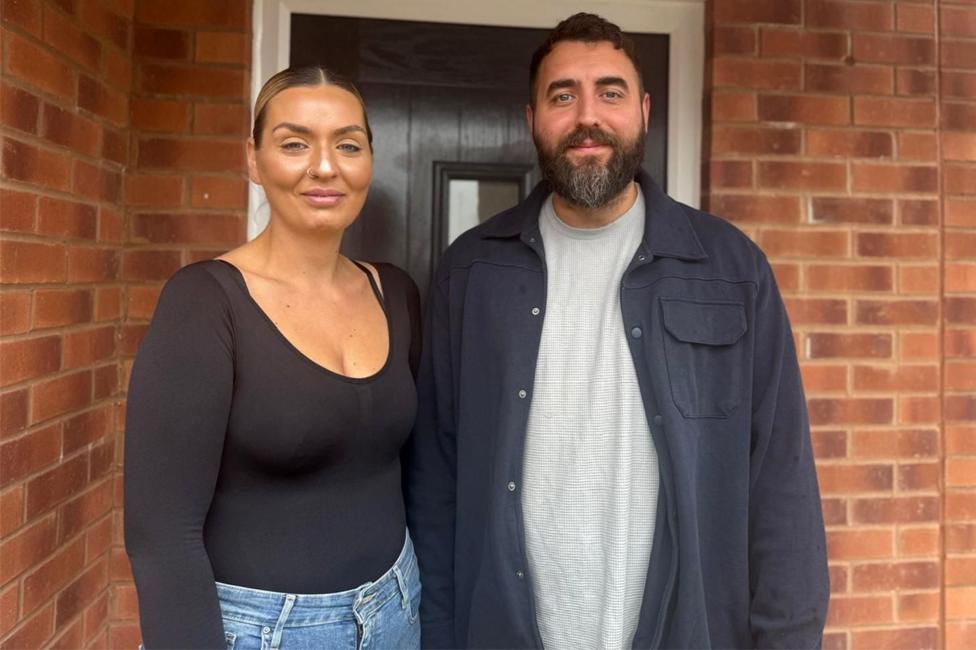
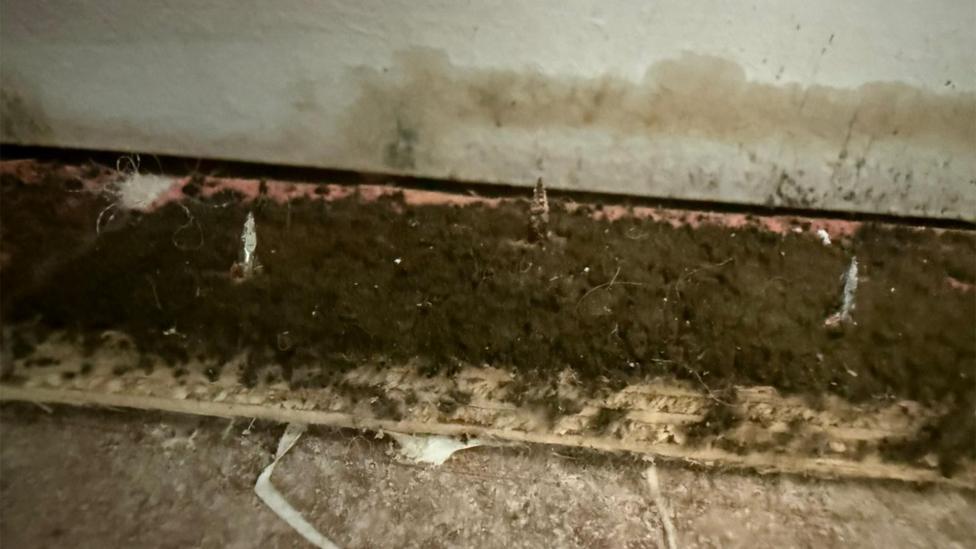
Jess and Darryl discovered black mould within their shared-ownership property in Somerset merely ten days after moving in. A surveyor's report commissioned by their shared-ownership provider identified evidence that walls had retained moisture when plasterboard was affixed, alongside insulation deficiencies and construction debris lodged within cavity walls.
I'm in disbelief that 18 months later we are still in a position that the house that we bought still isn't complete,Jess remarks. Because their purchase fell outside NHOS coverage, the couple could not access the ombudsman's intervention mechanisms. The builder, Tilia Homes, relocated them for five weeks during initial repairs, yet they now anticipate a second displacement lasting up to three months.
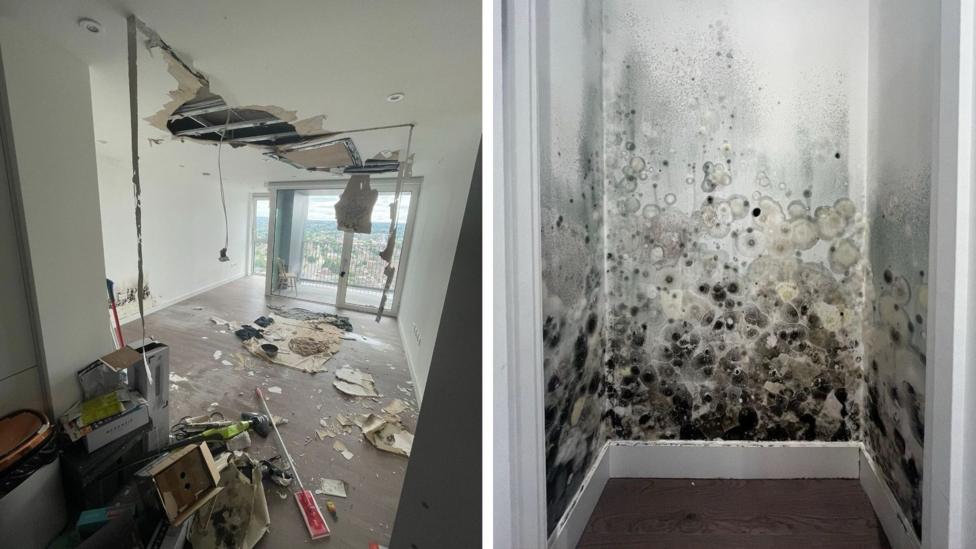
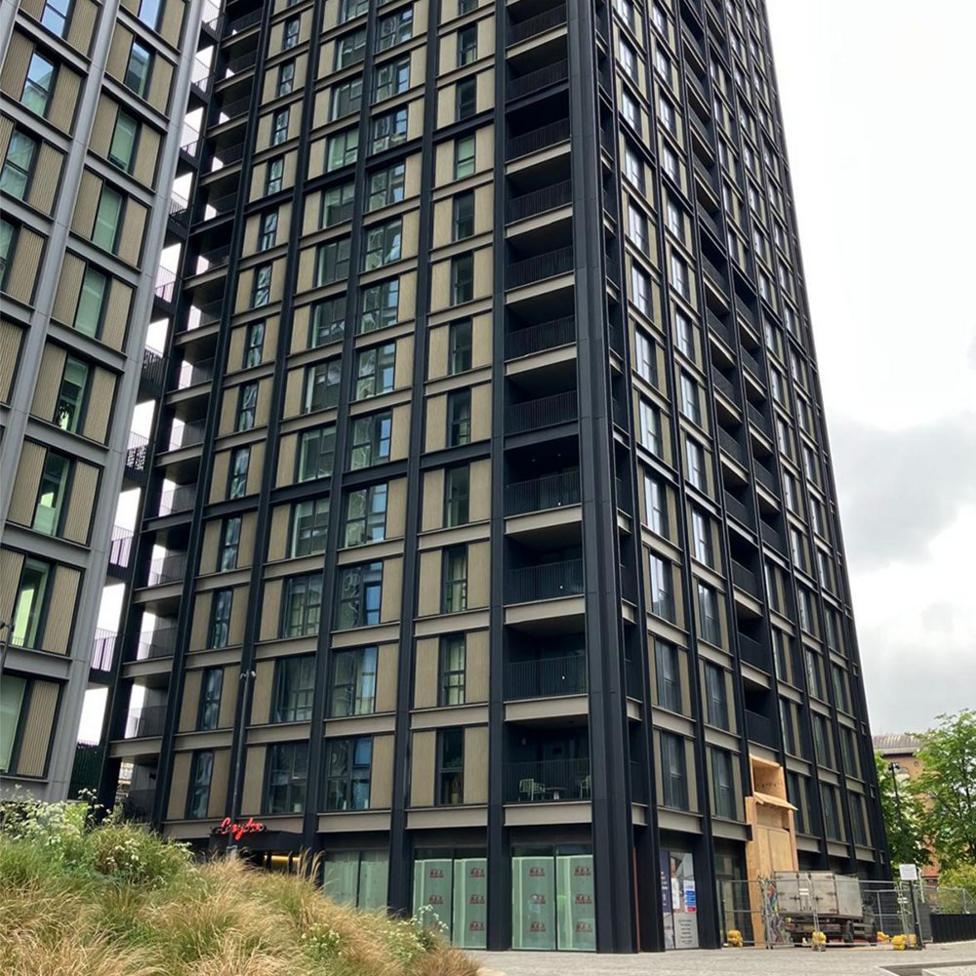
Tenants in build-to-rent complexes encounter comparable difficulties without ombudsman protection. Residents of The Fold, a 35-storey development in Croydon completed in 2022, reported severe structural and environmental problems shortly after occupancy. Mphango Simwaka, who relocated to the complex that year, was subsequently diagnosed with cancer and observed that
People's roofs were falling, and mould was growing in different flats all the time. It would start off something small and then within weeks it spread absolutely everywhere.Landlord Legal & General instructed residents to vacate late in the previous year for renovation work; nearly a year later, Mphango remains displaced.

Social housing residents occupy a distinct position within the ombudsman landscape. Luke Weaver, a tenant in Essex, accessed support through the Housing Ombudsman—a separate scheme that social housing providers must join, though it addresses only provider conduct rather than developer responsibility. The Housing Ombudsman determined that his housing association, Clarion, had mishandled damp, mould and snagging concerns despite the builder Dandara remaining liable during the defect period. Clarion subsequently paid Luke £1,150 in compensation and arranged further inspection.
He does not believe he would have received the same support without the ombudsman.


What regulatory changes are planned?
Government officials and industry ombudsmen have signalled urgent necessity for mandatory consumer protection. Housing Secretary Angela Rayner stated that the government intends to establish a compulsory ombudsman scheme at the earliest opportunity, emphasising that homes must be
safeand
built to last. The Conservative government had previously committed in 2022 to such a service as part of the Building Safety Act, motivated by lessons from the Grenfell Tower tragedy.
According to industry guidance on the statutory scheme, the government's mandatory New Homes Ombudsman is scheduled to commence operations on 7 September 2026, making membership compulsory for residential developers in England. Developers must apply updated requirements to customers who reserved a home on or after 2 March 2026. The statutory scheme contract is reported to operate from 7 September 2026 through 6 September 2031.
Nigel Cates, chief ombudsman, emphasised to MPs that residents not covered by NHOS currently navigate a
patchwork of [building] codesnot designed to protect homeowners.
It's critical for the whole industry... that everyone has the same protections, access to an ombudsman service and an impartial investigation,he told the BBC. A parliamentary panel of experts recently characterised segments of the building industry as resembling the
wild west, calling for more rigorous and standardised oversight mechanisms.
What quality control issues persist in construction?
John Cooper, director of snagging firm New Home Quality Control, reports that his inspectors regularly identify breaches of building regulations, including insulation, brickwork and carpentry deficiencies.
We see some horrors,he states, asserting that current pre-handover inspections remain insufficient. New homes undergo multiple inspections during construction by either local council building control officers or registered approvers to verify compliance with national building regulations, and most developers employ insurance providers who conduct additional checks and offer ten-year warranties. Yet these mechanisms have demonstrably failed to prevent widespread defects.
Elissa and Johnnie believe that quality control deteriorated during their home's construction. Elissa reports that a senior Stonebridge Homes employee disclosed the company operated under
pressureto increase output, sometimes at the expense of quality. The developer did not provide specific responses to these allegations but stated that customer service ranked among its highest priorities and that it maintained
clear, transparent processes for raising concerns and seeking independent resolution where required. The developer subsequently offered to repurchase the property, though Elissa and Johnnie calculate they would sustain approximately £100,000 in losses after accounting for renovation expenditures, refurbishment costs, landscaping, legal fees and Stamp Duty.
At least one additional family on the 48-home development has required relocation for renovation work, indicating systemic rather than isolated construction failures.
What do industry bodies say?
The Home Builders Federation, representing major developers, has expressed support for a statutory ombudsman ensuring all new-build purchasers receive equivalent protections. However, the organisation simultaneously requests that the government reduce what it characterises as excessive
regulatory burden, including supplementary taxes and policy expenses that have rendered numerous potential development sites and businesses
no longer viable.
The government has established an ambitious target of constructing 1.5 million homes across England by 2029. As construction accelerates, industry observers warn that the sector could be
setting itself up for a huge failwithout corresponding improvements to quality assurance and consumer protection frameworks. A June 2026 parliamentary committee report indicated that approximately 35–40% of the new homes market still sat outside the New Homes Ombudsman Service's remit, leaving hundreds of thousands of purchasers without standardised recourse mechanisms.
How long do homeowners have to complain?
The New Homes Quality Code specifies that customers generally possess two years from reservation or completion, whichever occurs later, to lodge complaints with the scheme. This timeframe creates urgency for affected purchasers to document defects and initiate formal processes before deadlines expire.
What do affected residents emphasise?
Ombudsman Cates underscores that homeowner treatment by developers during complaint resolution often matters as much as the defects themselves.
For most people, this is the biggest purchase they'll ever make. So, when something goes wrong, they need the developer to be on it straight away, take them seriously, really value them, understand them and put it right,he explains. Elissa and Johnnie have invested hundreds of hours addressing their property's problems, while Jess and Darryl invested their accumulated savings into their shared-ownership residence, only to discover fundamental construction failures. Both couples describe their situations as nightmarish, reflecting the profound emotional and financial toll that defective new-build properties inflict on purchasers who anticipated secure, permanent housing.