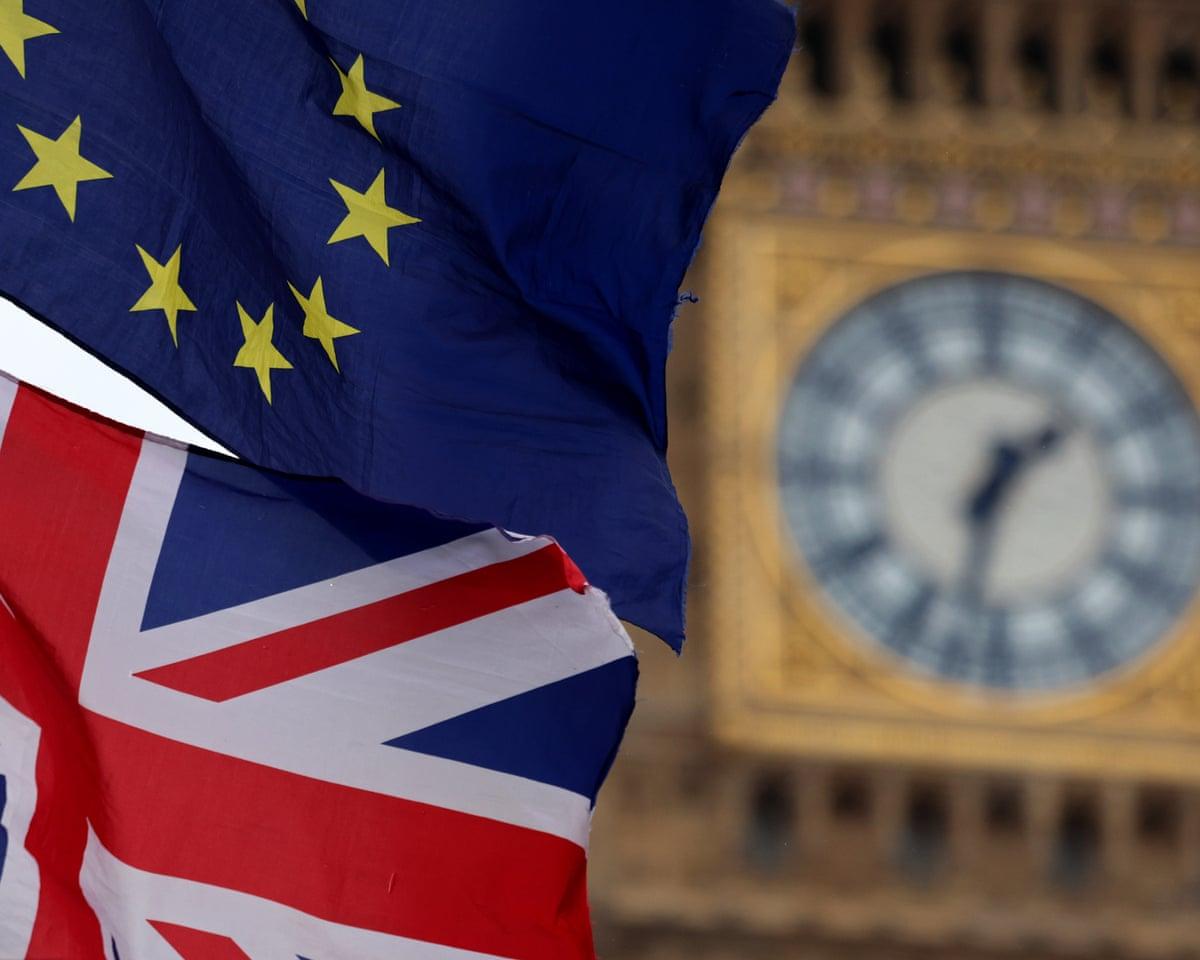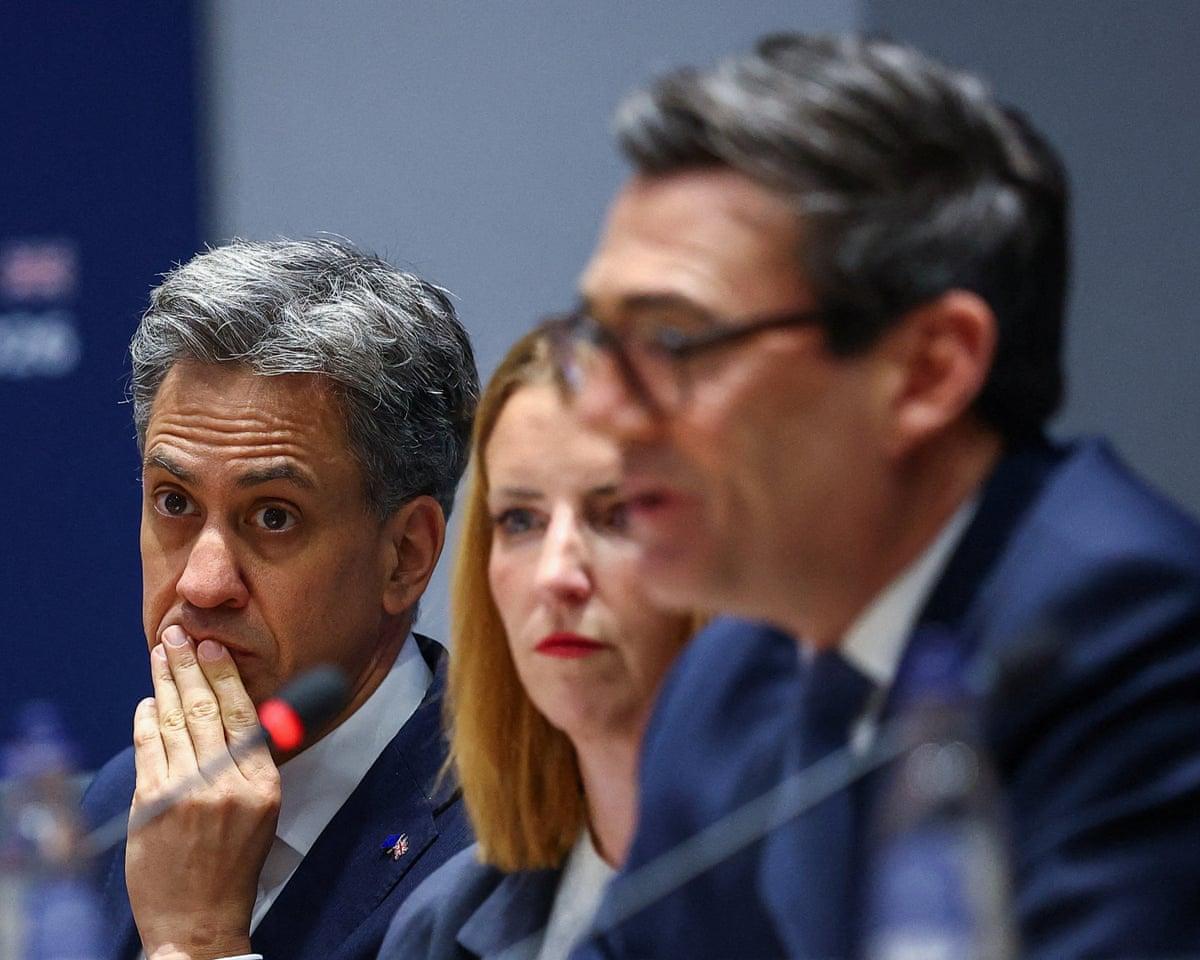
The UK could explore rejoining the European Union as part of informal discussions with European leaders, Foreign Secretary Ed Miliband has indicated, following agreements on trade, food standards and youth mobility announced after talks in Brussels on Friday.
According to The Guardian, Miliband stated that "all options" would be examined in future negotiations, while Prime Minister Andy Burnham described the day as "a good day for Britain and Europe." The three agreements cover food and drink standards, emissions trading through an expanded scheme, and a youth mobility programme allowing 100,000 young Britons to live, work, study and travel in the EU for up to three years, with reciprocal access for Europeans in the UK.
Burnham claimed the agreements would add 0.5% to UK GDP, representing a £17 billion boost to the British economy. The government plans to lay legislation on the deal before Parliament next week, with implementation scheduled for 2028.
However, the deals face a significant obstacle. EU member states have threatened to delay implementation unless the UK agrees to allow European students to pay domestic-level tuition fees at British universities. One estimate puts the potential cost to UK universities of matching home fees at up to £580 million, and the joint statement sets a six-month deadline for concluding separate negotiations on this issue.
Miliband said Burnham would hold further "brainstorming" discussions with the EU over the next year about the direction of the relationship. He emphasised that the agreements reached this week represented the limit of what could be achieved before the next general election, as Labour remains bound by its 2024 manifesto commitments.
What are Labour's current red lines on EU relations?
Since entering government in 2024, Labour has adhered to the "red lines" set out in its election manifesto, ruling out rejoining the single market or customs union and rejecting freedom of movement. Miliband acknowledged the result of the 2016 referendum but argued that circumstances had shifted significantly.
"The world has changed massively,"he said in an interview for the BBC's Sunday with Laura Kuenssberg.
"Europe is changing too, so we've got to look at what that means. It's not about this parliament, we're respecting the red lines in this parliament."
When asked directly whether rejoining the EU would be considered in future talks, Miliband stated:
"All the options will be on the table. We will look at the benefits and the costs of all the different options."Burnham has previously indicated he wants to see the UK rejoin the EU in his lifetime, and the prime minister plans to use the announcement of his 10-year plan before Christmas to explore how the UK could move closer to the bloc after the next election.
Will the tuition fee disagreement block the agreements?
Miliband denied that the deal with the EU depends on progress in discussions over student fees, insisting the three agreements would proceed regardless.
"The dates are set out in 2028 when these things are coming in, we're introducing legislation in parliament, so definitely,"he told the BBC.
"It is absolutely clear the agreements on food exports, energy and youth mobility would apply."
European Commission President Ursula von der Leyen played down the disagreement over tuition fees, expressing confidence that a solution would be found.
"We welcome this brainstorming, so count on us,"she said of the planned future discussions.
What benefits does the government claim from these deals?
Burnham framed the agreements as addressing major challenges facing Britain.
"The deal is done. It is there in black and white in front of you,"he said, arguing the arrangements tackle
"the biggest challenges of our times and the biggest worries that people have,"including the cost of living, lack of economic growth, illegal immigration and difficulties facing young people.
Environment Secretary Angela Eagle highlighted the benefits for the agricultural sector. She told BBC Radio 4's Today programme on Saturday that the deal would
"open up new markets. They'll be able to import and export. This is a win-win for the UK. We will dissolve a lot of the friction and costs at the border for UK agriculture and food."
The youth mobility scheme represents a significant expansion of access between the two sides. The scheme is planned to offer up to 100,000 places on each side, with stays of up to three years, allowing young people unprecedented freedom to work and study across the Channel.
What happens next in UK-EU relations?
The two sides aim to conclude tuition-fee negotiations within six months, with the next UK-EU summit expected in autumn 2027, when broader options for reshaping the relationship may be discussed. Informal discussions will take place with Brussels before that summit, providing an opportunity for the government to explore how the UK could move closer to the EU following the next general election.
The agreements mark a significant shift in the government's approach to the EU relationship, moving beyond the immediate post-Brexit settlement to explore deeper cooperation on specific policy areas while maintaining the political constraints imposed by Labour's 2024 election commitments.